Multi-Site Rollouts in Cheyenne and Laramie County
Programmatic multi-site construction in Cheyenne and Laramie County: standard prototypes, repeatable schedules and one builder across several locations.
A retailer opening six sites across Laramie County sees the same map every time: I-25 and I-80 meet on the southwest side of Cheyenne, four I-80 exits (358, 362, 364 and 367) serve the city, and the towns farther east are small, with Burns counting 356 residents in 2020. A rollout in that geography is a logistics problem as much as a construction one. Crews, materials and inspectors have to be where the next store is, on the date the brand promised.
Programmatic work means building the same kind of project repeatedly for one owner, whether that is a fast-casual restaurant, a self-storage prototype, a bank branch, a clinic, a convenience store or an equipment yard. We approach it as a program with a standard scope, a standard schedule, a standard report and a team that learns from each site and carries the lessons to the next.
The advantage for an owner is predictability. The first site teaches us the prototype, the plan review habits, the subcontractors' strengths and the supply chain's weak points. By the third site, the schedule should be shorter and the surprises fewer, and the owner should see that in the numbers.
The geography of a Wyoming rollout
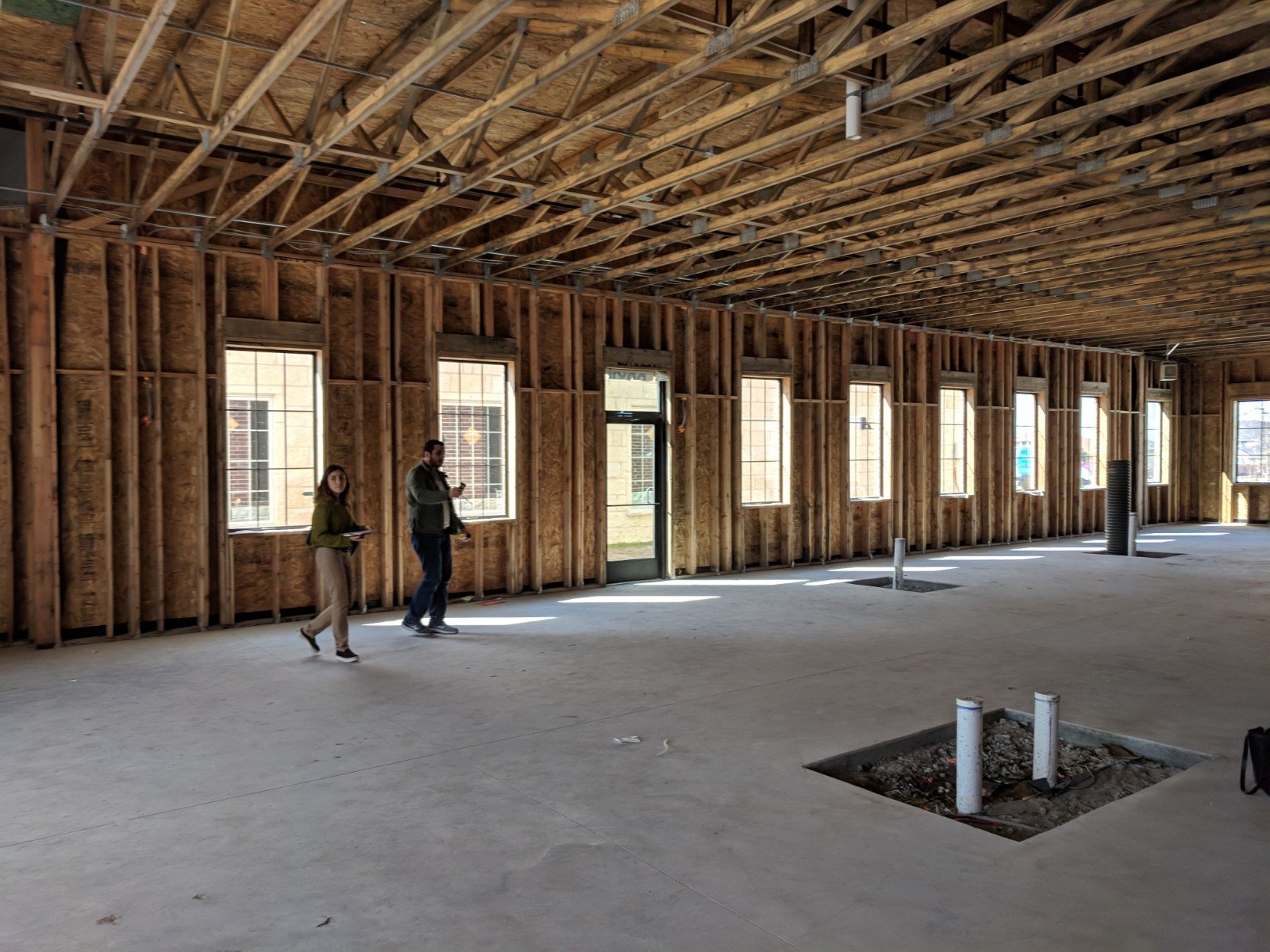
Laramie County had 100,512 residents in 2020, and the Cheyenne area is where most national formats will want a first store. Outside the city, the highway pattern defines where a brand can reasonably locate. I-80 exit 386 serves Burns and Carpenter, and Pine Bluffs sits at exit 401 near the eastern edge of the state. Each town has its own utilities, its own building official and its own pace.
Distances change the economics. A crew working in Cheyenne can return home nightly, while a site in Pine Bluffs or farther may call for travel and per diem. We price those costs openly and sequence the program so travel crews are used efficiently. Winter weather can slow I-80 travel as well, so we keep material buffers staged near the sites farthest from Cheyenne.
Prototype, kit of parts and a single playbook
We start by studying the owner's prototype drawings, finish standards and equipment packages. We identify what is fixed and what changes with the site: soils, utilities, grade, local code and snow and wind loads. From that analysis we create a playbook that lists each task, the subcontractor responsible, the lead time and the inspection steps.
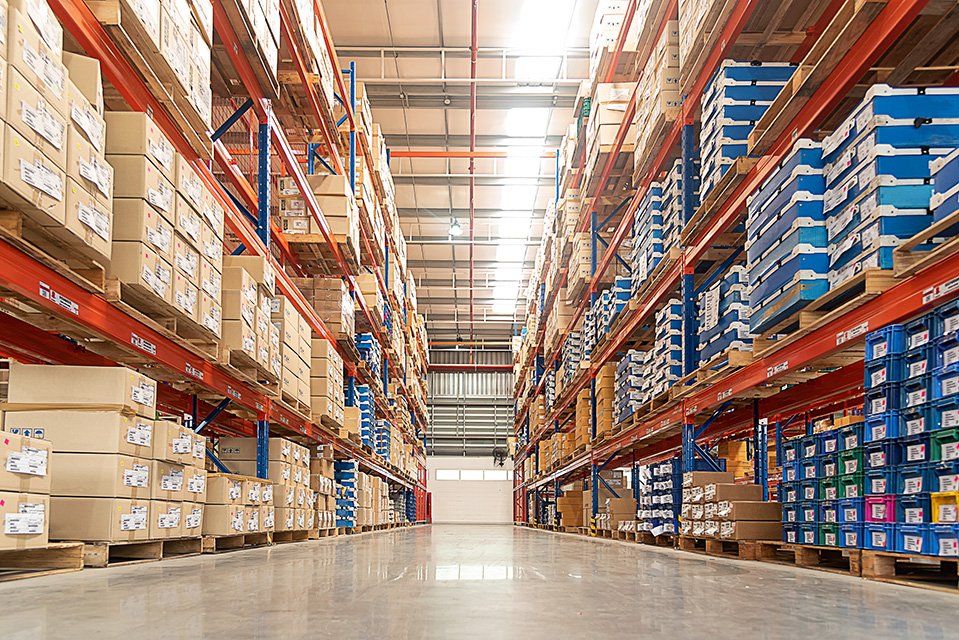
Standard purchasing helps as well. Equipment, fixtures and finishes can be bought in volume, shipped to a staging location and delivered as needed. Our work on restaurant construction and self-storage construction projects shows how much time comes from standardizing hoods, kitchen equipment, doors and unit mixes.
Running several sites at once
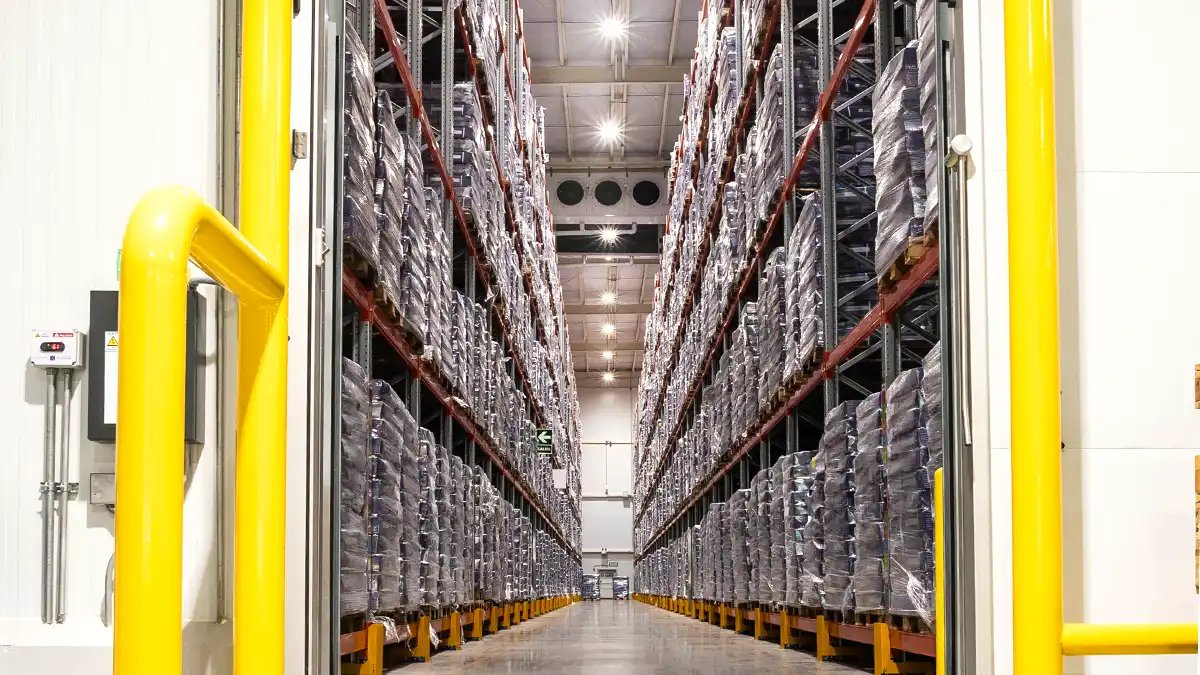
Overlap is the secret of a good rollout. While one site is in foundations, another is in framing and a third is in permit review. We stagger starts so the best crews move from site to site and so the owner opens locations on a steady rhythm. A shared master schedule shows all the sites on one page, with milestone dates and the risk on each.
Weekly program meetings review progress, review open issues and compare actual duration with plan. If one site's inspection took longer than expected, the lesson is applied to the next. If a supplier is late, the program shifts a start date and the owner knows the same day.
Documentation travels with the program. Each site gets the same folder structure for permits, submittals, inspection reports, photographs, change orders and closeout documents. When a new superintendent steps in, or when the owner asks about a detail on site four, the answer is in the same place it was on site one.
Owners who build in repeated formats
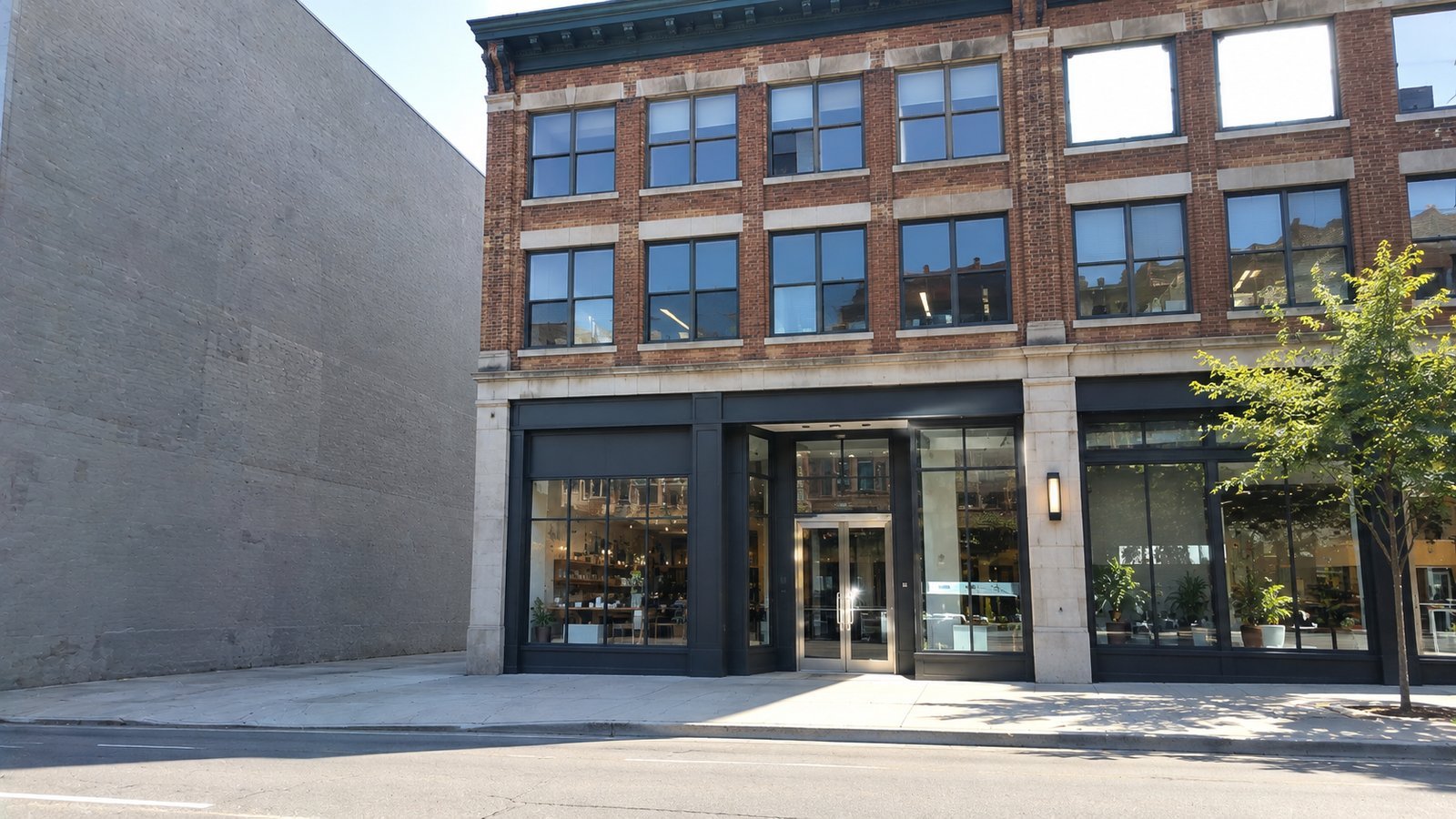
Retail chains are the clearest example. They want identical fixtures, finishes and signage across stores, and they want the openings timed to marketing campaigns. They also want accurate reporting, so each site feeds the same cost and schedule report.
Hospitality groups follow a similar logic with hotel brands that have prototype requirements and strict opening standards. We coordinate brand inspections, furniture and equipment delivery, and the sequence of opening rooms or floors.
Sites we can reach
Our program work extends from Cheyenne east along I-80 to Burns and Pine Bluffs, and across the county's smaller towns. Each location has a local contact for permits and utilities, which we establish at the start of the program. We also work with owners expanding a single prototype to a series of lots on the same corridor.
A rollout can also include self-storage or industrial yards along I-80, where the same self-storage facility design may be repeated. The key is a consistent playbook and a flexible crew.
Budgeting a program
Program pricing starts with a baseline for the prototype. Site-specific items, such as unusual soils, utility extensions, drainage requirements and snow loads, are priced as adders. This makes it easy to compare sites and to see whether a lot is a good deal after site work is added.
We track the actual costs by site and by category, and we share the results with the owner. If the cost of a certain item rises across the program, we investigate, and if a supplier or method proves cheaper, we adopt it. Over time, tenant improvements and new-build costs for the same brand converge on a predictable range.
Describe your rollout
Send us the prototype drawings and the list of target sites. We will propose a program schedule, a staffing plan and a budget baseline.
Common Questions
Can you build several locations at the same time?
Yes. We stagger starts and assign crews so the sites overlap without competing for the same people. A program manager oversees the schedule and a superintendent runs each site.
How do you handle different local codes across sites?
We review each jurisdiction's adopted codes and design criteria before the site is released. Wyoming has no single statewide building code, so snow, wind and frost values can differ by town. We adjust the prototype for each site and keep a log of the changes.
Do you buy materials in bulk for the whole program?
When it saves money and the owner agrees, yes. Equipment and fixtures can be purchased in volume and delivered to a staging location, while site-specific materials are bought locally. We handle storage and insurance.
How do we compare costs between sites?
We use a standard cost format for every site and show site-specific adders separately. The owner can see which lots cost more and why. That information often informs the next site selection.
What happens if a site falls behind?
We shift crews, resequence work or adjust the opening date, and we inform the owner immediately. The weekly meeting makes problems visible early, when they are easiest to fix.