Construction for Hospitality Groups in Cheyenne
Hotel, extended-stay, restaurant and renovation construction for Cheyenne hospitality owners, planned around brand standards, frost, wind and site history.
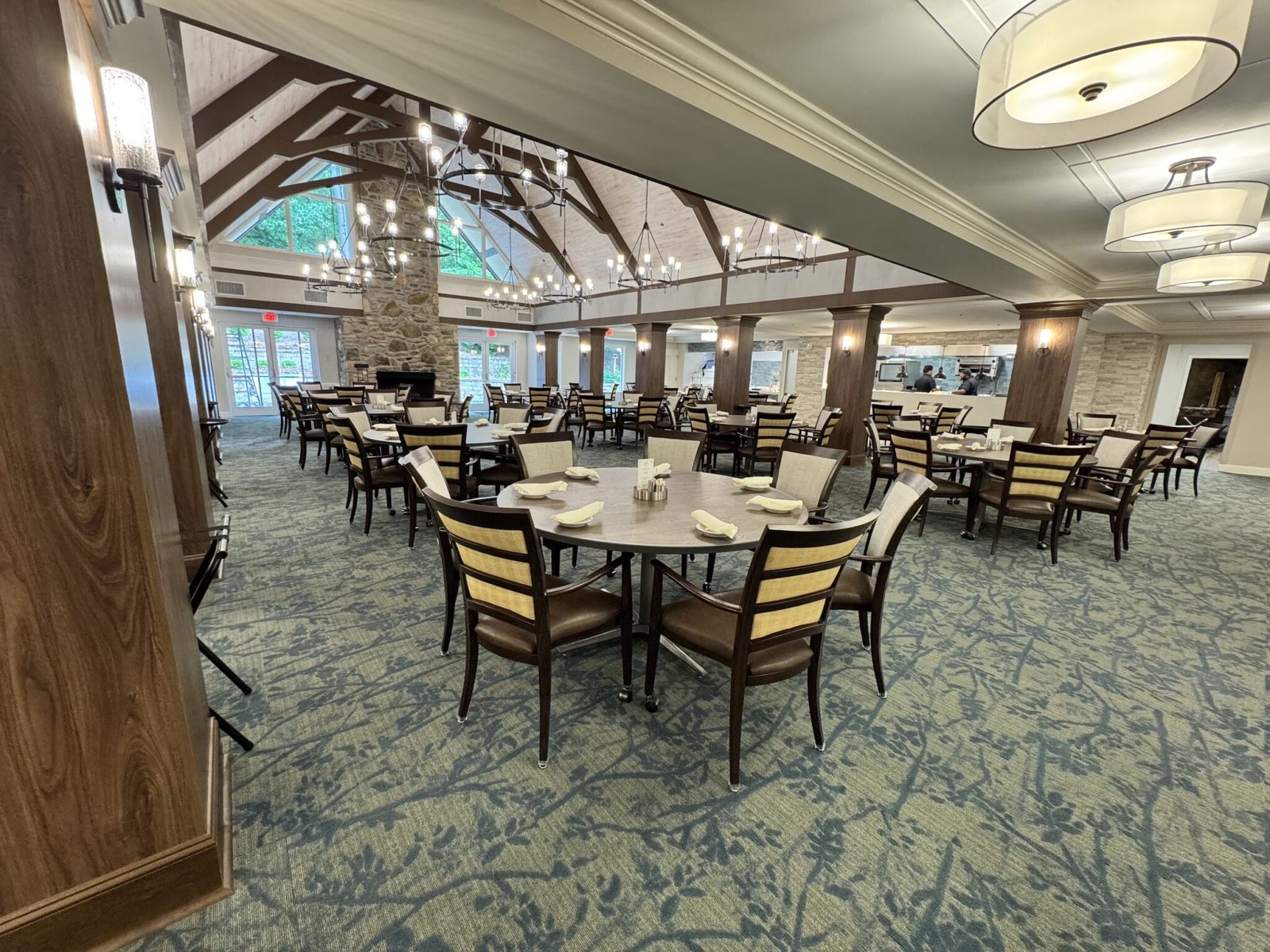
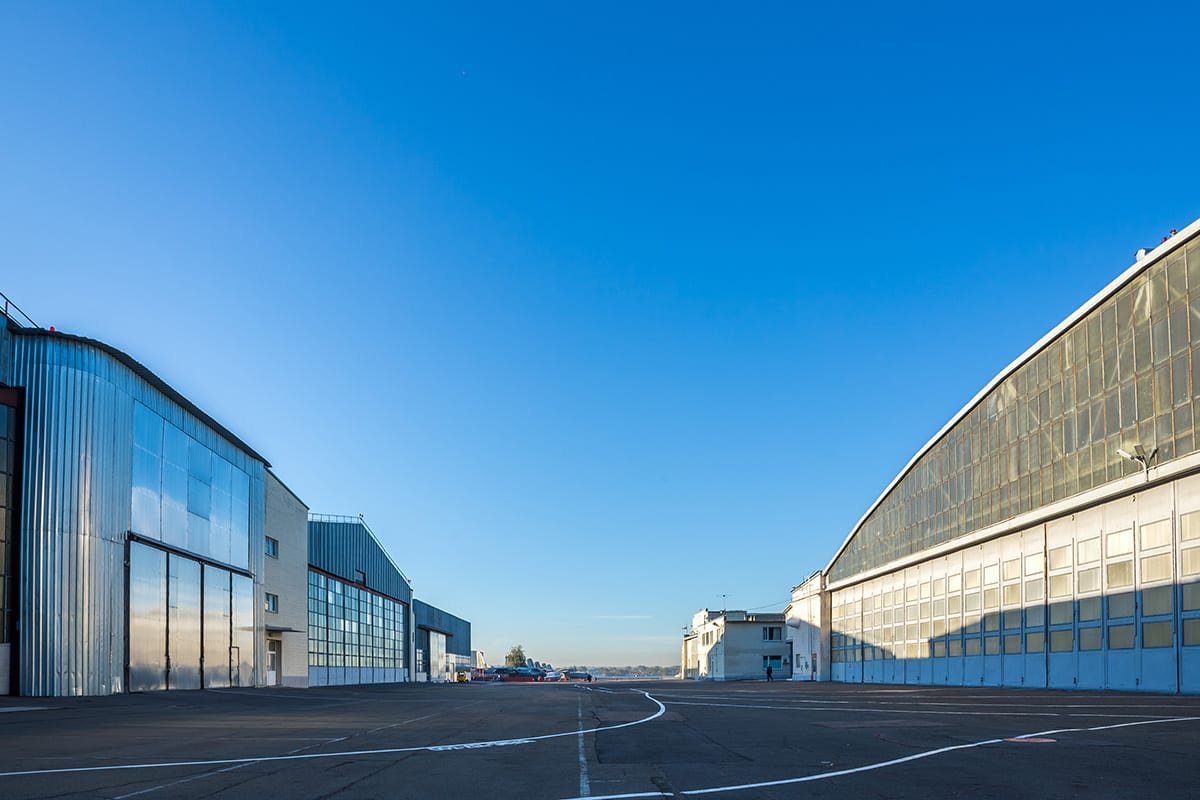
Between 2,000 and 5,000 additional people are expected in the Cheyenne area at the peak of the Sentinel work at F.E. Warren, and a data center campus south of town expects more than 1,000 skilled trade jobs of its own. Every one of those workers needs a bed, a meal and a parking space within a reasonable drive. For hotel owners, restaurant operators and lodging investors, that is the opportunity. For the contractor, it is a reminder that the labor market a hotel will draw from is the same one it has to build from.
We build limited-service and extended-stay hotels, select-service flags, restaurants and bars, event and banquet space, and the renovations that keep older properties competitive. The construction trade partners understand brand standards, franchise reviews and the punch-list expectations of a brand inspector arriving the week before opening. They also understand that hospitality owners watch their cost per key closely and that a month's delay at the end of a hotel job costs far more than a month in the middle.
In Cheyenne, location sets the program. Interstate-oriented hotels depend on road visibility and truck parking, airport-area properties depend on access, and downtown projects are tied to the character of the historic district.
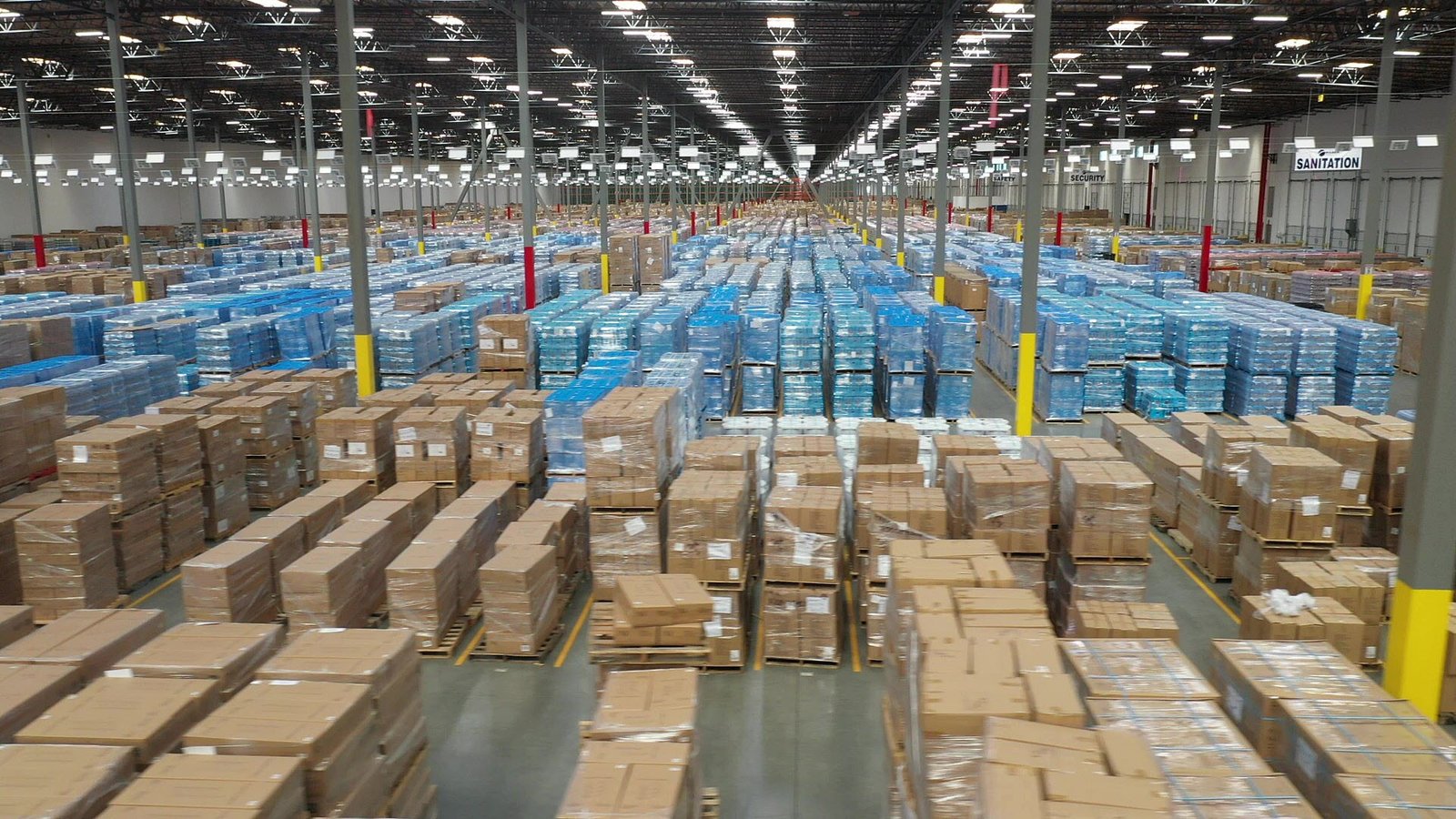
Interstate, airport and downtown sites
Site conditions vary by market niche. At the Hitching Post District, near the I-25 and I-80 crossroads on Western Heritage Way, the 80-acre redevelopment replaced the former Hitching Post Inn, a property that dated to 1927, suffered several fires and was condemned by the city in early 2021. Redevelopment began with asbestos abatement and demolition. Anyone renovating an older hotel should assume that hazardous material surveys and abatement come before design, and we schedule them early.
Near Campstool Road, a business park of more than 200 acres is annexed and zoned Community Business, with a Sleep Inn already in the neighborhood. Interstate frontage means wind exposure, signage height limits and truck circulation. Near Cheyenne Regional Airport, where SkyWest carried 58,850 passengers in 2025, the issues are different: approach restrictions, parking ratios and shuttle access. We check each constraint before a site plan is committed.
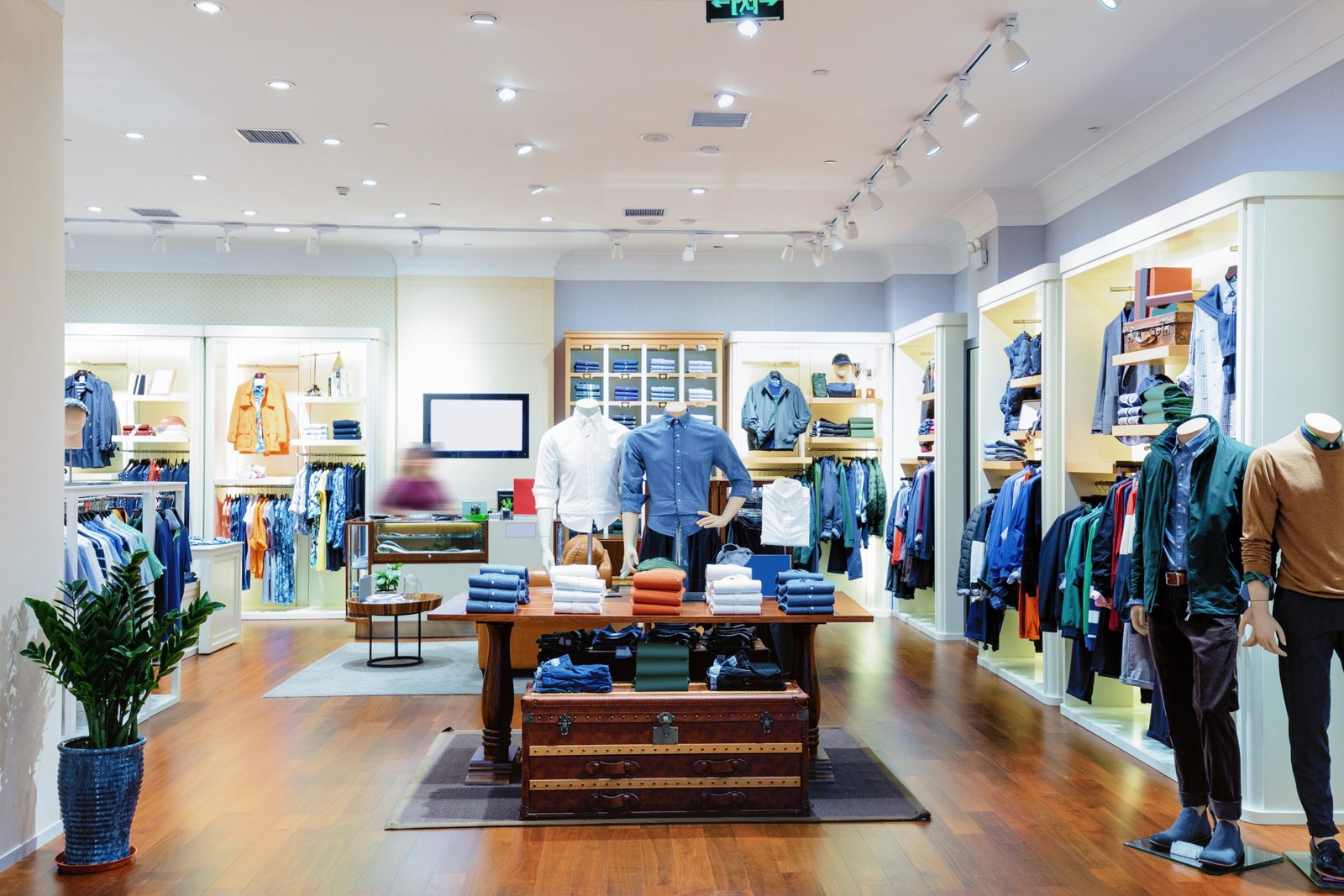
Hotels, guestroom renovations and restaurants
Our hospitality scope includes new hotel construction, guestroom renovations (known in the trade as a PIP, or property improvement plan), lobby and amenity updates, kitchens, pool and fitness areas, and exterior and signage packages. We also build restaurants and bars as freestanding buildings or within hotels, and conference space where a market supports it.
Most hotels in this market are wood or light-gauge frame with a few stories of corridors, built on repeating floor plates. That repetition is an advantage if the contractor manages it well: a rhythm of framing, rough-ins, drywall, FF&E and punch-list stays consistent from floor to floor. Our job is to hold the rhythm, order the long-lead guestroom items on time and manage inspections so that nothing interrupts it.
Cost per key and what affects it here
The cost per key is made of site, structure, envelope, guestroom finishes, public areas and the owner's FF&E package. In this climate, the envelope carries weight: wind, a cold winter, and a 36 inch frost depth in the county's published criteria all affect wall assemblies, roof design and slab-on-grade details. Cutting the wrong thing here leads to guest complaints and warranty claims, so we treat it carefully when value engineering.
Brand standards sometimes conflict with local conditions, and we work with your design team to find compliant alternatives. We also price operating costs into the conversation, because mechanical choices, window specifications and roof design affect the owner's utility bills for the life of the building. Where a project qualifies for public incentives, such as the Tax Increment Financing used at the Hitching Post District, we help document eligible costs. When a hotel pad is part of a larger plan, we coordinate with the commercial real estate developers who control the site so utilities, drainage and access are sized for the whole project.
Open-hotel renovations and older buildings
Hotels under renovation often stay partly open, which brings the same issues as any occupied building and a few more of its own. Noise and dust must be kept away from guests, elevators and corridors must be shared, and fire alarm and sprinkler impairments must be handled with watch procedures. We schedule loud work during off hours, close floors in sequence rather than scattering rooms across the building, and keep guest paths clean and clearly marked.
Older properties may contain asbestos or lead paint, so we test before disturbing finishes. In demolition, we follow the abatement plan, use licensed specialists and document disposal. Our demolition work and renovation and adaptive reuse teams share these procedures and plan for them together.
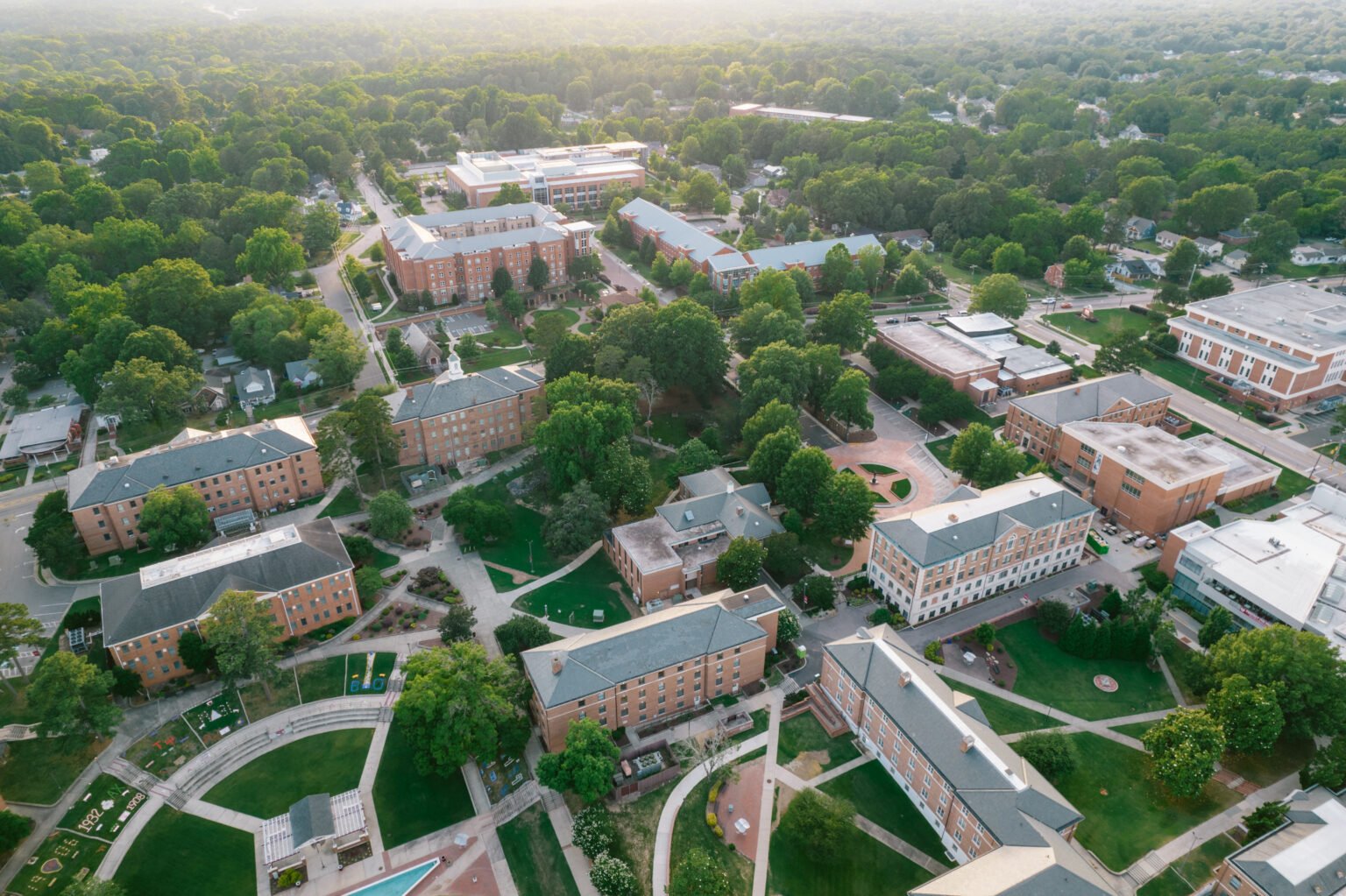
Downtown, state and base-related demand
Hospitality owners rarely work alone in Cheyenne. Downtown, the Depot District and the historic core draw visitors to a capitol built between 1886 and 1890 and a depot built in 1887, and a lodging project there touches the interests of the city and neighbors. Our hotel building experience includes dealing with the process around those interests, such as design review, parking and loading arrangements.
State and base-related travel also shapes demand. Visitors to state offices and to the base need places to stay, eat and meet, and the owners who serve them frequently overlap with the government and public sector clientele, whose per diem rates, security needs and contract rules we know how to account for in a program.
Bring us your site or your property
Tell us the brand, the site and the opening date you need. We will return a scope and schedule with the site history and winter sequencing built in.
Common Questions
How long does a select-service hotel take to build in Cheyenne?
The answer depends on size, permit time and the season we start. A prototype with repeating floors tends to move quickly once the building is framed and closed in, but winter can slow site work, and brand-required items can lengthen procurement. We give a schedule by phase rather than a single number.
Can we renovate guestrooms while the hotel stays open?
Yes, with discipline. We close and renovate floors or wings in sequence, keep the work area sealed, and schedule noisy work for daytime hours when guests are out. Fire alarm and sprinkler impairments are coordinated with the property's staff and the local authority.
What do franchise brands usually require from the contractor?
Brand review of drawings, approved FF&E and finishes, pre-opening inspections and a punch list that meets brand standards. We schedule the pre-opening inspection with enough margin to correct findings before the opening date.
Does winter slow a hotel build here?
It changes the order of work more than the length. We aim to finish foundations and underground utilities before the ground freezes, close the building in before the deepest cold, and run interior work under heat. Wind limits crane and roof work on some days, so we carry float. A hotel started in spring can usually be enclosed before the following winter.
Is demolition and abatement common when redeveloping old lodging sites?
It is, especially on sites with older motels or inns. The Hitching Post redevelopment is one local example, where abatement and demolition came first. We test for hazardous materials early and include abatement in the schedule and budget.