General Contractor in the Hitching Post District
Abatement, demolition and new hotel, retail, restaurant and mixed-use construction in Cheyenne's Hitching Post District at the I-25 and I-80 crossroads.
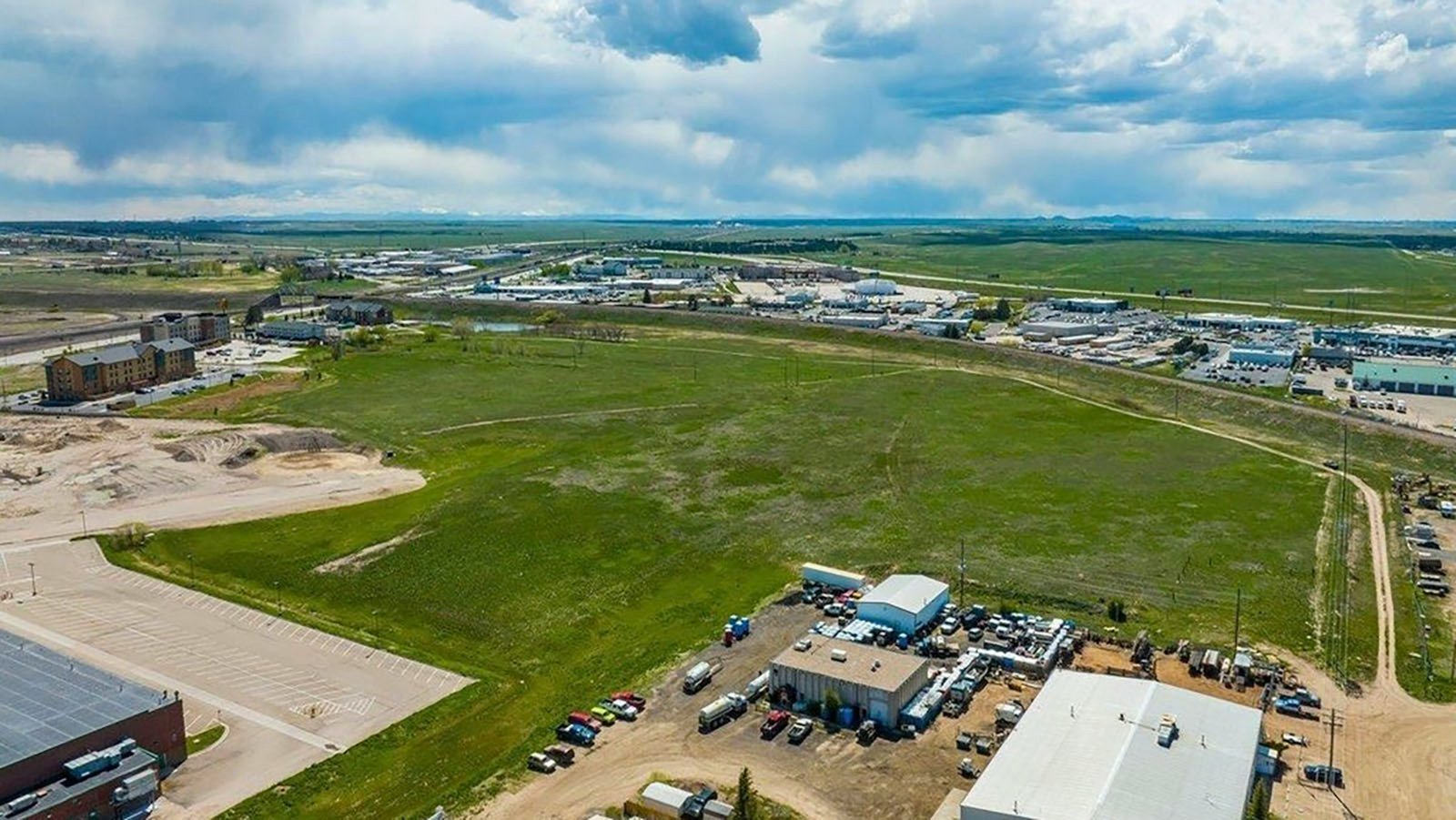

Redevelopment on the former Hitching Post Inn site starts with asbestos abatement and demolition, and a contractor who treats those as a minor line item will be surprised twice. The property dated to 1927, was sold in 2006, suffered several fires and was condemned by the city in early 2021. When the City of Cheyenne announced its 80-acre plan that September, demolition was expected to take about two months after abatement. Work like that sets the tone for the district: clean the site safely, then build on it.
We build in exactly that sequence. Our specialty trade partners survey and abate hazardous materials under the required notifications, take buildings down in an order that keeps adjacent property safe and protected, and then prepare the ground for hotels, restaurants, retail and housing. For an owner or developer, that continuity from demolition through finish work reduces the number of handoffs and the number of places a schedule can slip.
Cheyenne LEADS places the Hitching Post District, also called West Edge, near the I-25 and I-80 intersection on Western Heritage Way and describes it as a planned year-round hub. For a developer, that means hospitality, food, retail and residential uses can be planned together at an interchange scale.
A planned hub at the crossroads
The September 2021 announcement described an 80-acre Hitching Post development with a hotel, restaurants, retail and a residential area, financed in part through a Tax Increment Financing district. At the announcement the banker involved estimated a $40 to $50 million economic impact, and a hotel was already under construction inside the TIF boundaries on the former Atlas Motel site.
We treat those reports as context, not as a schedule. A district like this is built in pieces over several years, and every piece answers to the same financing, the same city approvals and the same market. For owners considering a parcel, the useful questions are which parcels are available, what the TIF boundaries cover, what the city expects in terms of public improvements and how the district's phasing affects construction access. Our I-25 and I-80 interchange page explains the traffic picture around the district.
From abatement to finishes
A typical parcel here begins with a hazardous materials survey, abatement by licensed specialists, selective demolition and removal of foundations and underground tanks or utilities. After that comes site grading, utility installation, paving and the building itself. We manage this as a continuous project, with our own demolition and abatement planning feeding directly into excavation and foundation work so no ground sits open longer than necessary.
For buildings, the district points toward lodging, food service, retail and residential. Hotels need life-safety and brand coordination. Restaurants need early equipment procurement. Retail pads need a clear path for tenant improvements. Apartments over or near commercial space need acoustic and fire separation details. We price each type with its own scope and give the owner a combined schedule that shows where trades overlap.
Hazardous materials and demolition safety
Older, fire-damaged buildings often contain asbestos in flooring, insulation, siding and roofing materials, and fire damage can leave structures unstable. We insist on a complete survey before demolition begins, and we coordinate notifications, air monitoring and waste disposal with the licensed abatement contractor. Crews do not enter a damaged structure until the engineer has cleared it.
The district's location, beside two interstates and a lot of local traffic, adds public safety requirements: fencing, dust and noise control, truck routes and sidewalk protection. We run a daily inspection of the perimeter and keep a log. Neighbors and business owners receive notice before major work such as large hauls, street closures or utility shutdowns, and we hold a short walk-through with adjacent owners before demolition starts.
Financing, phasing and public improvements
A TIF-financed district means public reimbursement rules, documented costs and city review of improvements. We keep cost records organized by category so a developer can submit eligible items without rebuilding the ledger later. We also separate public improvements such as roads and utilities from private building costs in the schedule of values.
Phasing is the other consideration. The first building's access and utilities should not need to be torn up for the second. We plan underground utilities, drainage and conduit sleeves for the full district, then build the first phase to carry its share. Owners often find that spending slightly more on early infrastructure reduces the cost of later phases. This is where a mixed-use construction approach helps, since it treats the district as one set of coordinated buildings.
Other work tied to the district
Developers here often combine multifamily and mixed-use buildings with a hotel and retail space, and tenant improvements follow once shells are complete. Hospitality is a clear driver: a hotel at a highway crossroads depends on the same traffic as the restaurants and shops beside it. For parcels near the Campstool Road exit, see Campstool Business Park.
Retailers and restaurant groups evaluating pads should also look at how retail chains manage multi-site programs with us, since many of the same documentation habits apply to a district with several similar buildings.
Plan a Hitching Post parcel
Send us the parcel, the use and what is on it today. We will start with the survey and demolition scope and build the schedule forward from there.
Common Questions
What is the Hitching Post District?
Cheyenne LEADS describes it as a planned year-round hub near the I-25 and I-80 intersection on Western Heritage Way, named for the former Hitching Post Inn. It is also referred to as West Edge.
How long did demolition of the old inn site take to plan?
At the September 2021 announcement, the city expected asbestos abatement and demolition to take about two months. Your own parcel will depend on its survey results, so we do not assume a duration until the survey is back.
What does the TIF financing mean for my project?
A Tax Increment Financing district is a public financing tool, and projects inside it may have reporting and documentation requirements. We keep costs organized so eligible items can be separated and submitted, but you should confirm eligibility with the city and your advisors.
Can residential and commercial be built together?
The district was announced with a hotel, restaurants, retail and a residential area. We plan the shared infrastructure first, then sequence each building so that access, fire lanes and utilities remain coordinated.
How should I budget for a site with a fire history?
Carry a contingency for what the survey cannot see: buried debris, failed foundations, abandoned utilities and contaminated soil. We recommend a hazardous materials survey and a geotechnical investigation before closing on a parcel, then a stated allowance for unknown conditions in the budget so the number does not move later.
Who coordinates asbestos abatement?
Licensed abatement specialists do the work, and we coordinate the survey, notifications, monitoring and disposal so that demolition and site work can follow immediately.