Distribution Center Construction in Cheyenne, Wyoming
Distribution center construction in Cheyenne: rail-served hub sites, I-25 and I-80 truck access, dock and yard design, utilities and wind and snow loads.
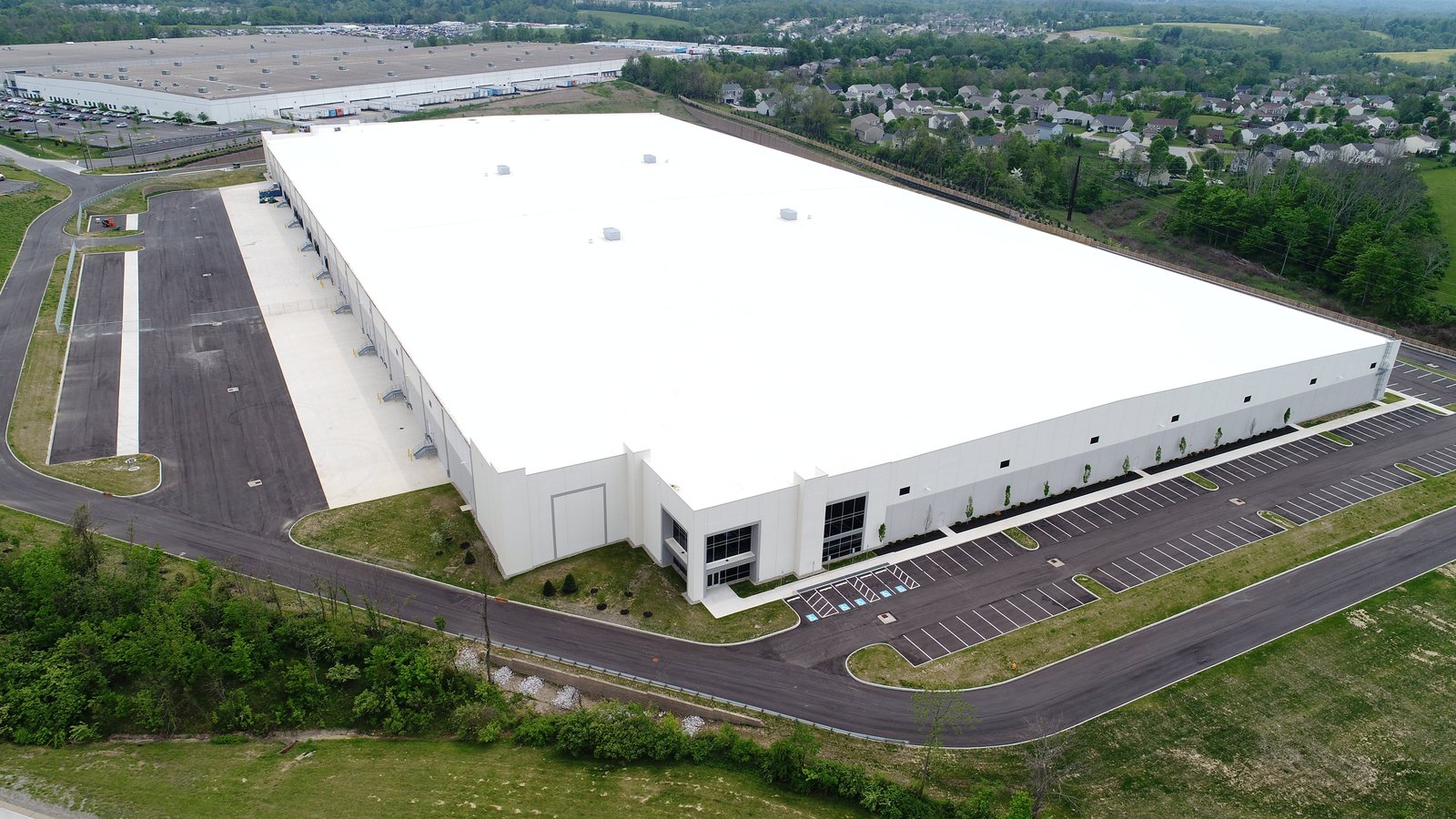
Only one business park in Cheyenne has rail service, according to Cheyenne LEADS: the Cheyenne Logistics Hub, roughly 2,000 acres southwest of the city with access to both BNSF and Union Pacific, I-80 and I-25, a short-line operator, transloading and rail car storage. That fact shapes every distribution center conversation in this market. A building that cross-docks trailers wants interstate frontage and a deep truck court. A building that receives bulk goods by rail wants a spur, a track layout and a slab designed for a different kind of traffic. Which of those you are building decides which site we steer you toward.
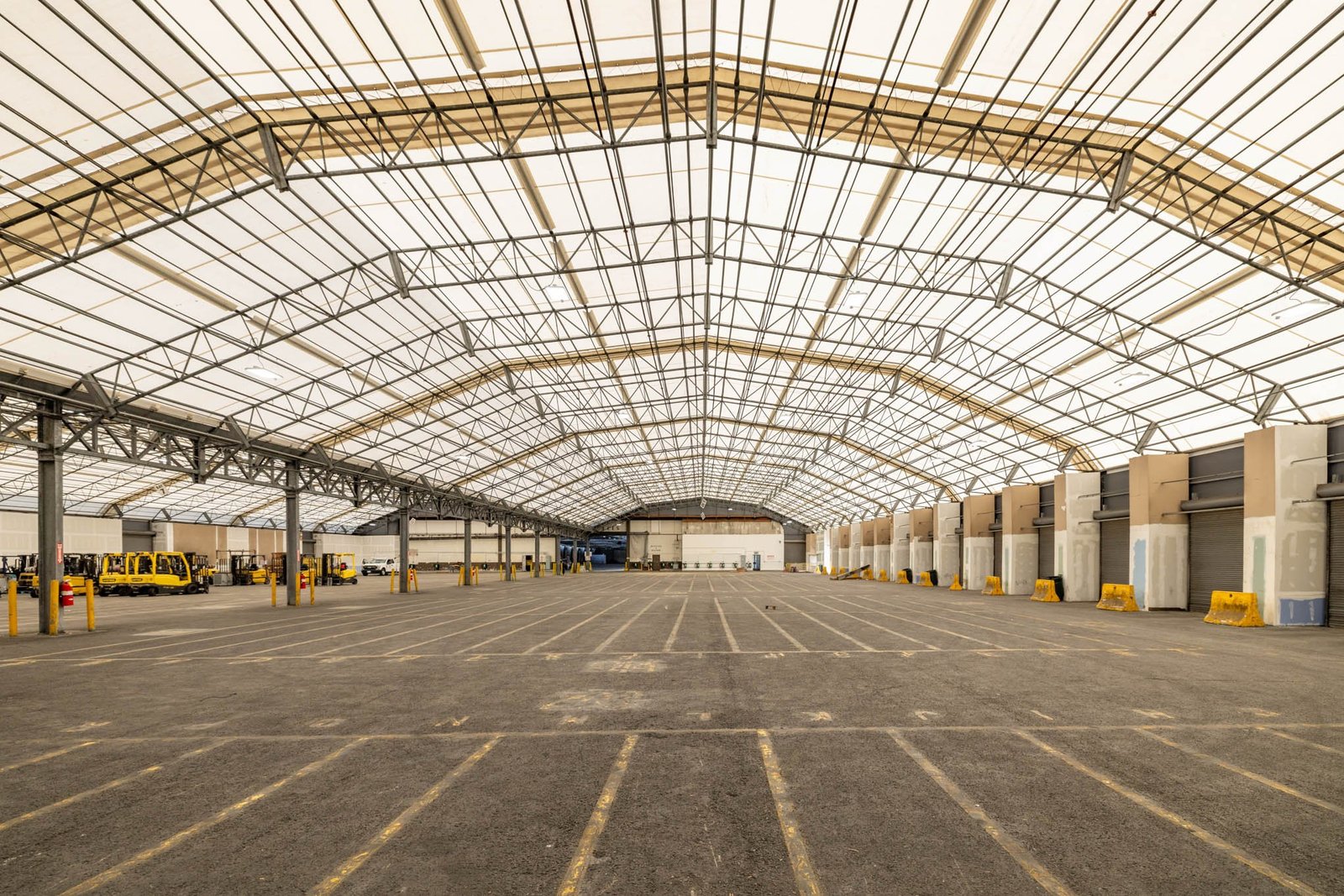
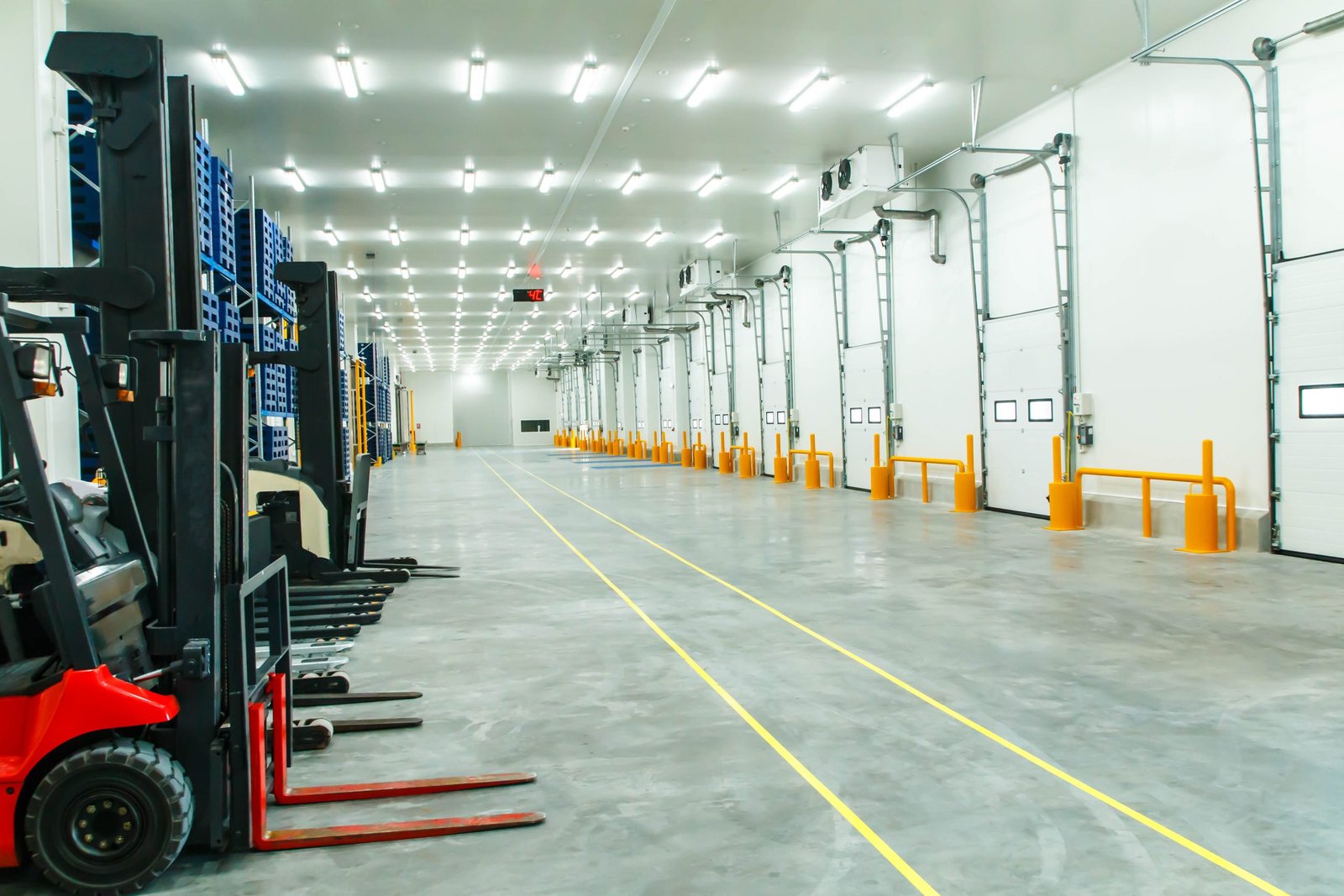
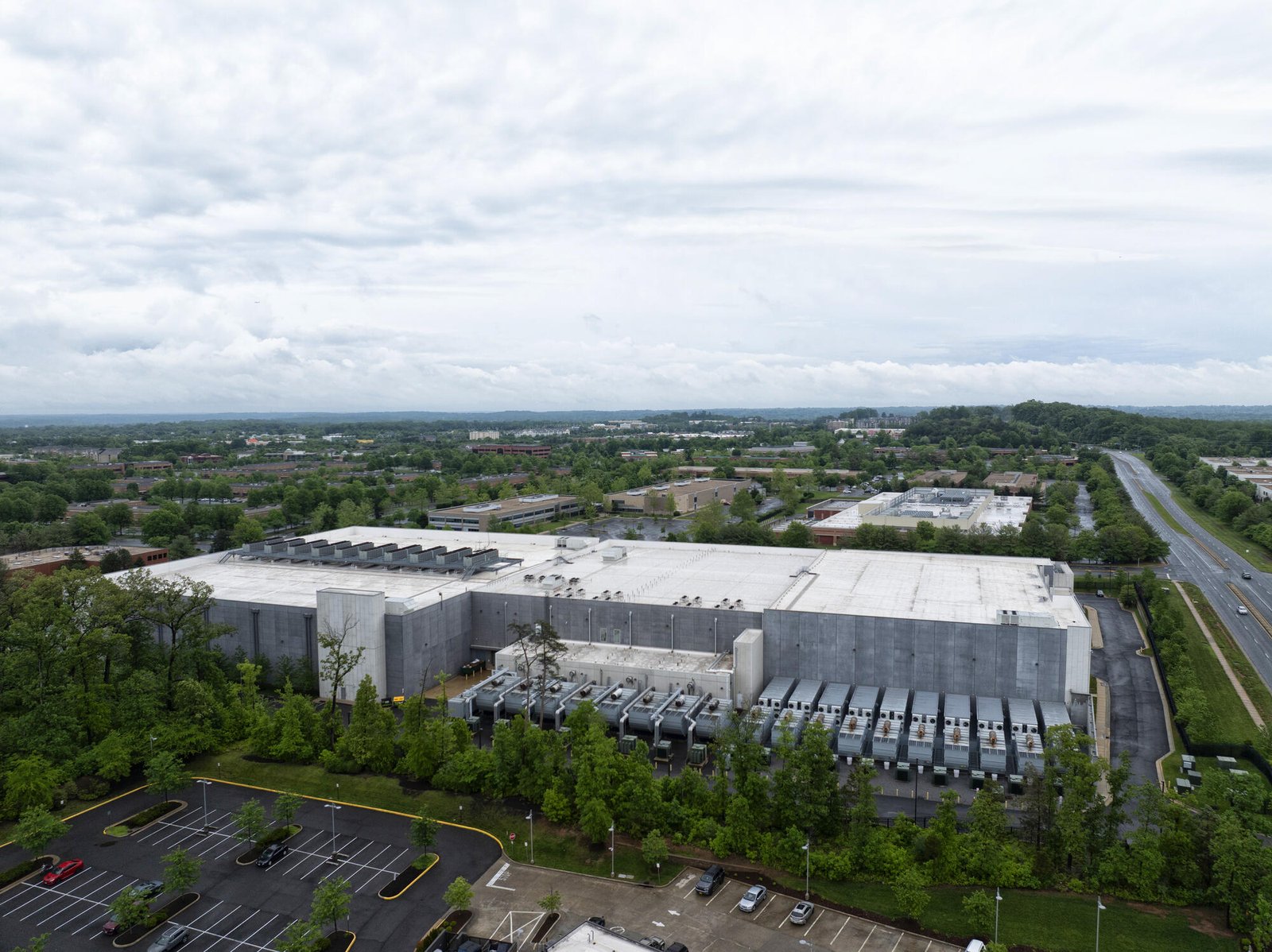
A distribution center differs from a plain warehouse in the way it is used. Product moves through it quickly, so the design is driven by dock count, trailer staging, conveyor or sortation footprint and the number of times a pallet is touched, not by how many pallets the building can hold. We build these buildings with the operator's flow diagram in hand, and we ask early for the peak-day trailer count because the truck court and the yard entrance often turn out to be the real bottleneck.
What a distribution center package includes
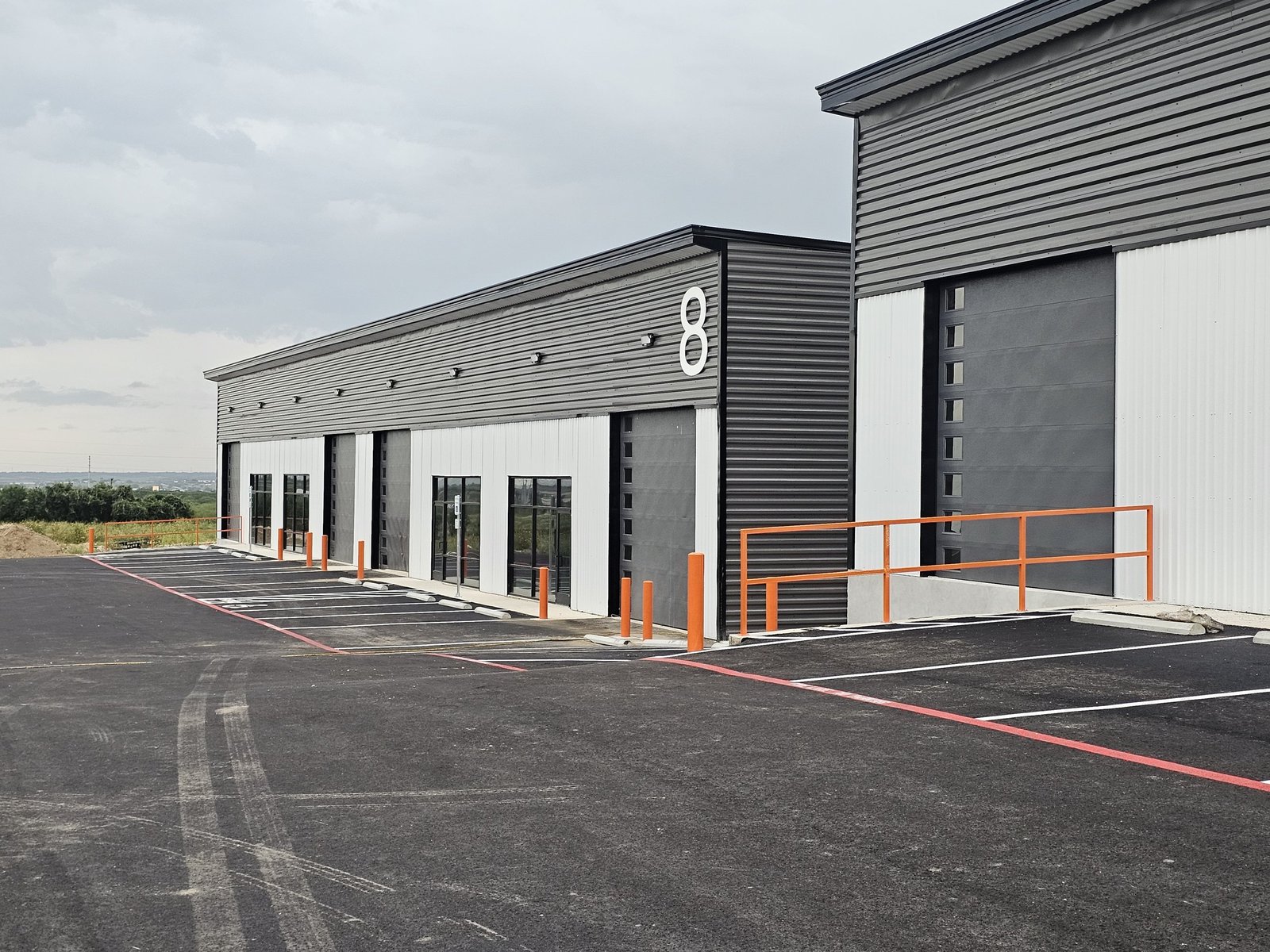
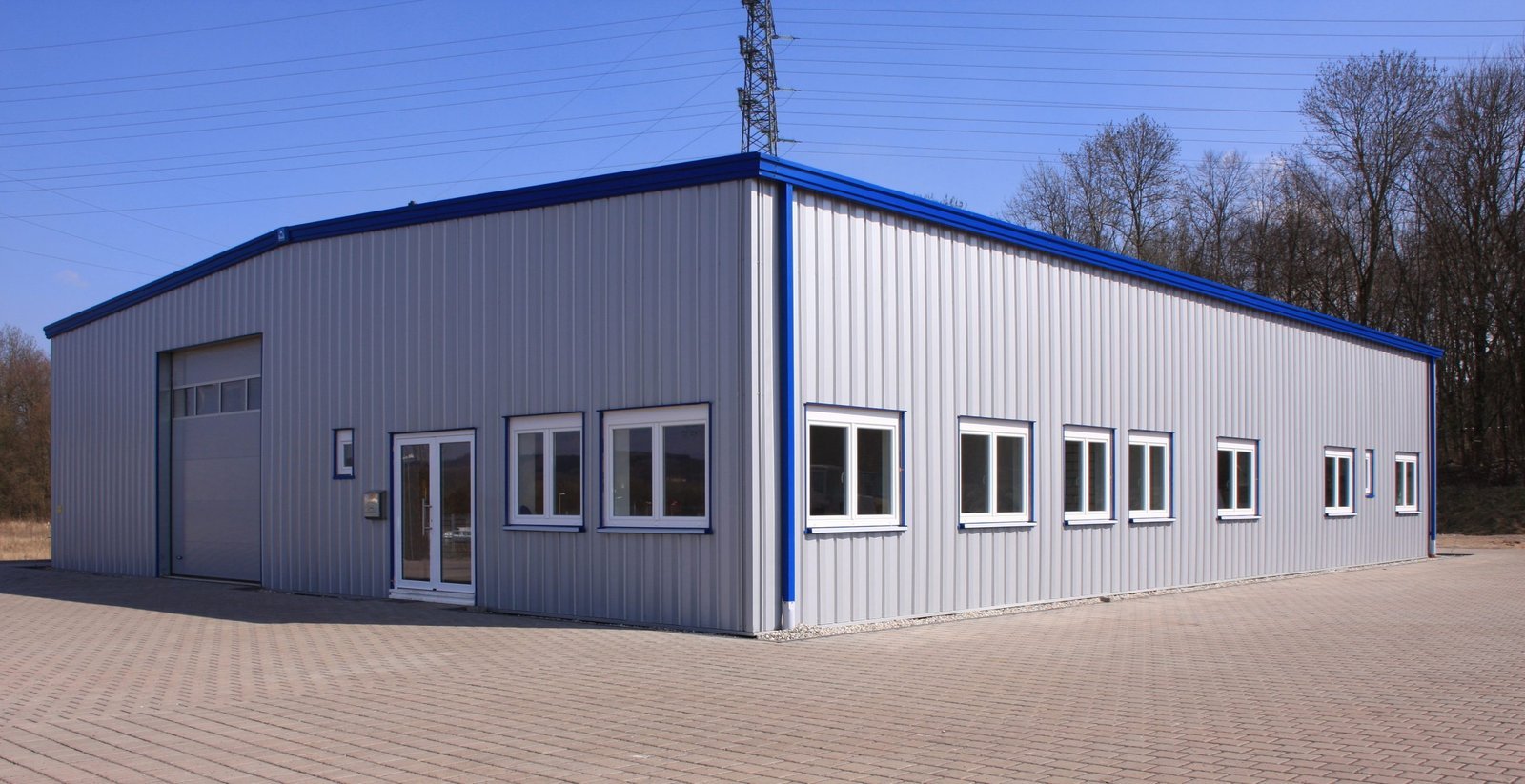
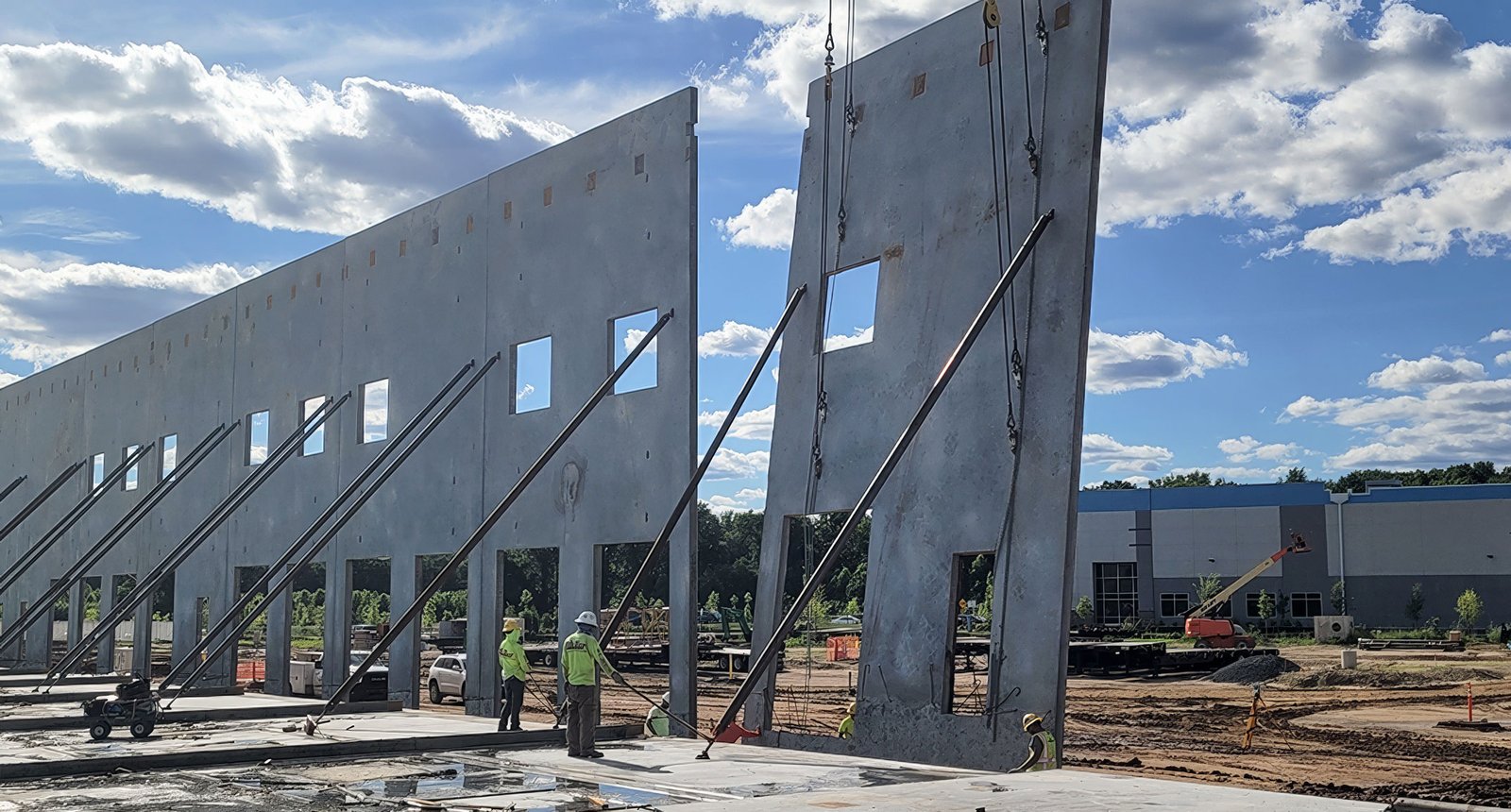
The building itself is usually a tilt-wall or insulated metal panel shell with a clear height set by the racking and the automation. Around it sit the pieces that make it a distribution center: dock doors with levelers and seals, a reinforced concrete truck apron, trailer parking, an employee lot, and a guard shack or gatehouse where security requires one. Under the floor are underground utilities, slab-on-grade designed for forklift and automated vehicle loads, and drains for the truck court.
Inside, the mechanical, electrical and fire protection scopes are bigger than most owners expect. Battery-charging areas need ventilation, large lighting loads need controls that meet the energy code the building department enforces, and the sprinkler system has to be matched to commodity and rack height. We carry these as separate lines in the budget so you can see them, since this is where change orders tend to start on distribution projects. Where an operator is relocating existing equipment, we plan the cutover with the operator's own logistics team.
The I-25 and I-80 junction decides a lot of siting
Cheyenne sits where I-25 meets I-80, and the city is also served by US 30, US 85 and US 87, with I-180 acting as a bypass. For a distribution operator that means freight moving east and west on I-80 and north and south on I-25 can both be served from one building. The I-25 and I-80 interchange itself is under pressure: the state's estimate to replace the 1960s cloverleaf with flyover bridges has risen to about $500 million, with design running possibly to 2027 and construction expected to take at least six years in phases.
For an owner choosing a site, that means traffic patterns near the interchange will change during construction, and we plan truck routes and delivery windows with that in mind. The Cheyenne Logistics Hub is southwest of the city, and its tenants have included Searing Industries, Vestas, Dr. Elsey's and HollyFrontier, so a distribution tenant there would be a neighbor to other industrial users, not a lone building in open prairie.
Preconstruction that answers the operator's first questions
Operators ask the same questions in the same order: how many docks, how much yard, how much does power cost to get to the site, and when can I be in. We answer them in that order with a site test fit, a utility letter request to the providers and a rough master schedule inside the first few weeks. A hub-style site lets us lean on infrastructure that is already in place, since Cheyenne LEADS reports fiber, water, gas, electricity and sewer service at the Logistics Hub.
For developers who plan to lease the building after it is finished, we pair the design with a developer's leasing assumptions, so that the structure can be divided or expanded without tearing out the slab or the sprinkler mains. A distribution center built for a single known user and one built on speculation are different projects, and we price them differently.
Yard, drainage and wind
On the open ground around Cheyenne, wind sweeps across the truck court and drives snow into drifts at the dock faces. We lay out dock canopies, bollards and fencing so that drifting snow does not close doors, and we place the trailer parking where plowing is practical. Laramie County lists a 105 mph wind design speed and a 36 inch frost line depth for design, and those figures govern wall bracing, roof tie-downs and footing depth on every distribution center.
Stormwater is the other major yard decision. Large paved areas shed a lot of water in a hurry, and a Cheyenne summer storm can drop hail along with rain. We design drainage that gets water to detention before it reaches neighbors, and we keep roof drains and scuppers from relying on a single point that hail or ice can block.
Sequencing a building that has to ship on time
Distribution centers have fixed seasonal deadlines, because the operator's peak period does not move. We work backward from the day racking and conveyors need to be installed and build in the weather risk before that date, not after it. Long-lead items, including dock equipment, switchgear and sprinkler pump packages, are ordered as soon as the design is stable, and our long-lead procurement process tracks them weekly against the shell schedule.
Site utilities come first because everything depends on them. A park that already has services at the property line can save weeks, while a raw parcel needs the work described in our site development and utilities scope. For a complete package, we also handle the distribution center construction from slab to commissioning, and we can bring in an operator's automation vendor early so floor flatness and embeds match what the equipment needs.
Related building types
A distribution center often overlaps with other industrial buildings. A parcel-sortation or e-commerce operation may call for a logistics fulfillment center, with mezzanines and pick modules. A carrier that moves freight between trucks rather than storing it needs a truck terminal or cross-dock, with a long narrow plan and doors on both sides. We help owners decide which of the three they actually need before drawings are started.
Plan a distribution center with us
Tell us the product flow, the number of docks and the site you are considering. We will return a test fit, a utility checklist and a realistic schedule that accounts for Cheyenne wind and winter.
Common Questions
Is rail access worth paying for when I am choosing a distribution site?
It depends on what moves through the building. Cheyenne LEADS lists the Logistics Hub as the only rail-served business park in Cheyenne, with transloading and rail car storage. If your inbound freight is bulk or heavy, rail can reduce truck traffic. If most of your volume comes in on trailers, interstate frontage may serve you better and cost less.
How does the I-25 and I-80 interchange project affect a new building nearby?
The state estimate to rebuild the interchange is about $500 million, and construction would take at least six years in phases after design. That means detours and lane closures are likely during your own construction and early operations. We plan material deliveries and crane days around announced closures and ask the state's project office for current staging information.
What do I need to know about utilities before I buy a parcel?
Ask whether water, sewer, natural gas, power and fiber are at the property line or must be extended. The Logistics Hub reports all of these in place, and the larger parks have worked with Cheyenne LEADS on infrastructure. Our estimators price extensions before you close, because power service to a large facility can take longer than the building.
Which code edition applies to my distribution center?
Laramie County adopted the 2024 International Building Code with amendments effective January 1, 2025, and the 2024 International Fire Code effective April 15, 2025. The City of Cheyenne's own adoption has to be confirmed with its building department, so we verify the edition, the energy code and any local amendments in writing before design is final.
How many docks should a first phase include?
Plan for peak-day trailers, not the average, and add a margin for the operator's growth. It is cheaper to leave knock-out panels for future docks and pour the apron once than to cut a finished wall later. We show owners a phased layout so the first phase works on its own and the expansion has a clear path.