Construction for Manufacturers in Cheyenne
Plant, fabrication shop and light industrial construction for Cheyenne manufacturers, from rail-served park sites to equipment foundations, slabs and cranes.
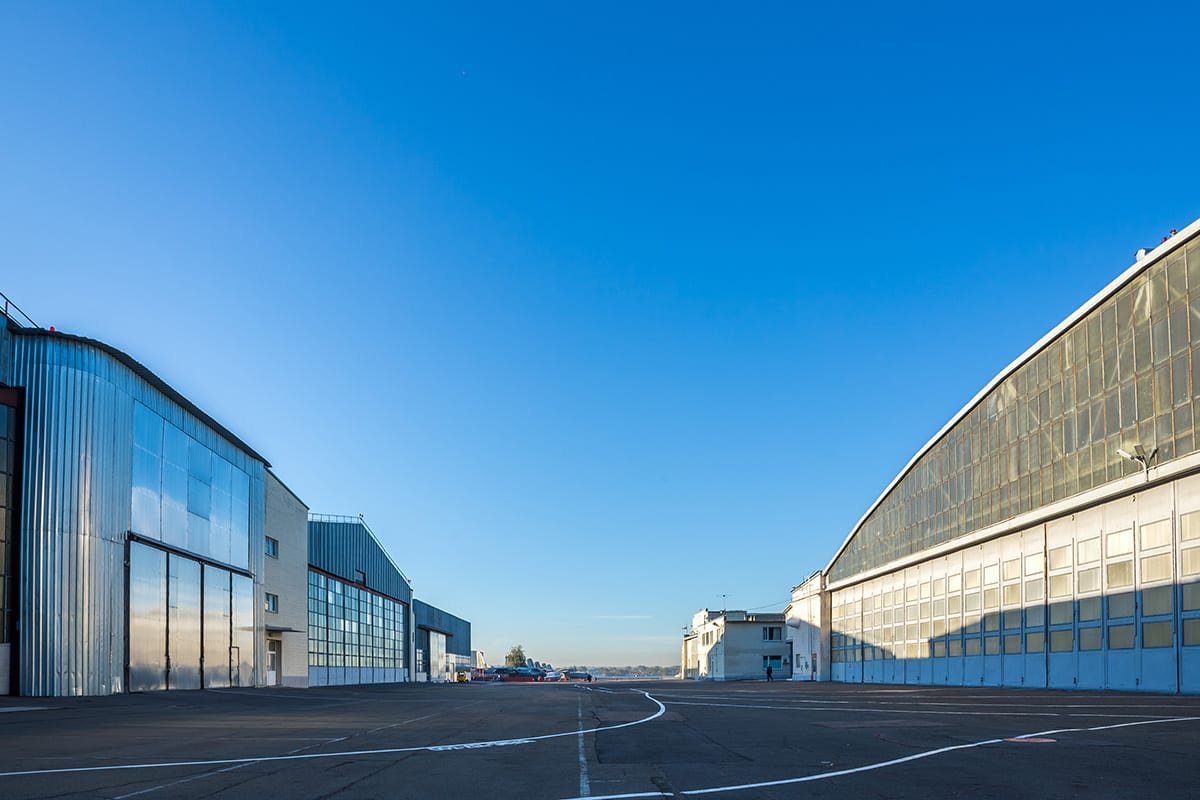
Rail access decides where a heavy manufacturer can build in Cheyenne, and the answer is narrower than most site selectors expect. Cheyenne LEADS lists the Cheyenne Logistics Hub, also known as Swan Ranch, as the only rail-served business park in the city, while Cheyenne Business Parkway, at 900 acres, is not rail served. A manufacturer that needs a siding, a transload or bulk inbound material has one answer. A manufacturer that ships by truck and wants quick access to I-80 and I-25 has several.
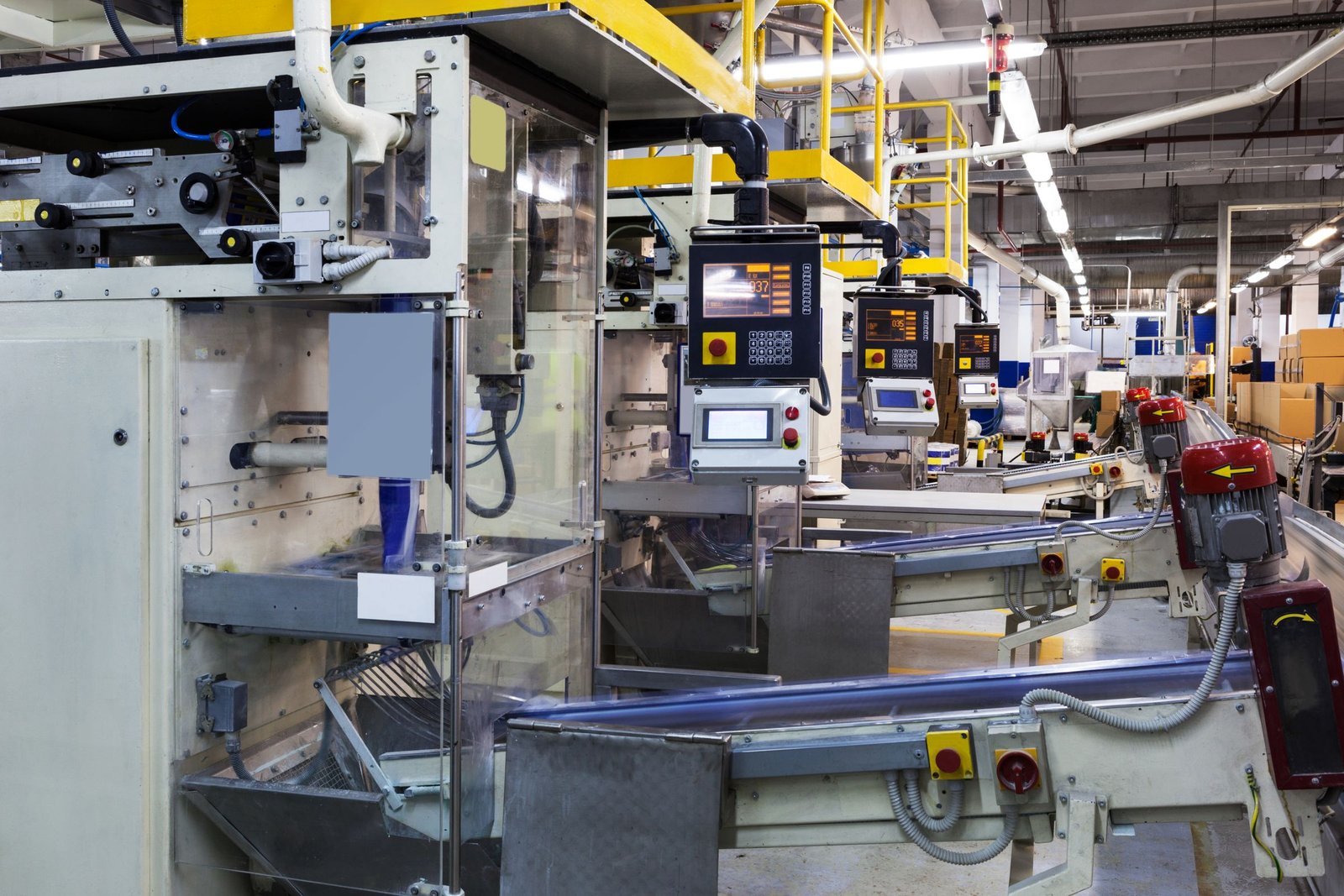
We build plants, fabrication shops, assembly buildings, light industrial space and the support structures that go with them. Our work begins with the process: what comes in, what goes out, how heavy it is, how it moves and what the building must tolerate. A machine shop needs vibration-stable slabs and overhead cranes. A food or consumer-goods line needs washdown surfaces and temperature control. A fabricator needs bay doors and truck courts sized for the longest piece.
Getting those answers early shortens everything that follows, and it keeps the structure, mechanical systems and slab from being redesigned after the first equipment drawings arrive.
Slabs, foundations, steel and crane runways
A manufacturing building is mostly foundation, floor and frame. We schedule and inspect industrial slab placement and finishing to the flatness and thickness an operation requires, with joint layout planned around forklift paths and equipment pads, and with curing and cold-weather protection that suit a high-plains winter. Heavy machine foundations, pits, trenches and sumps are formed and placed before the building closes in, so they are not cut into the floor later.
On the structure, we coordinate the trade partners who erect steel and metal building systems, set crane runway beams, and install tilt-up wall panels when the building suits them. Our crane building work coordinates runway tolerances, column loads and electrification with the crane supplier. Putting more of the critical path under our own supervision tightens the schedule and the accountability.
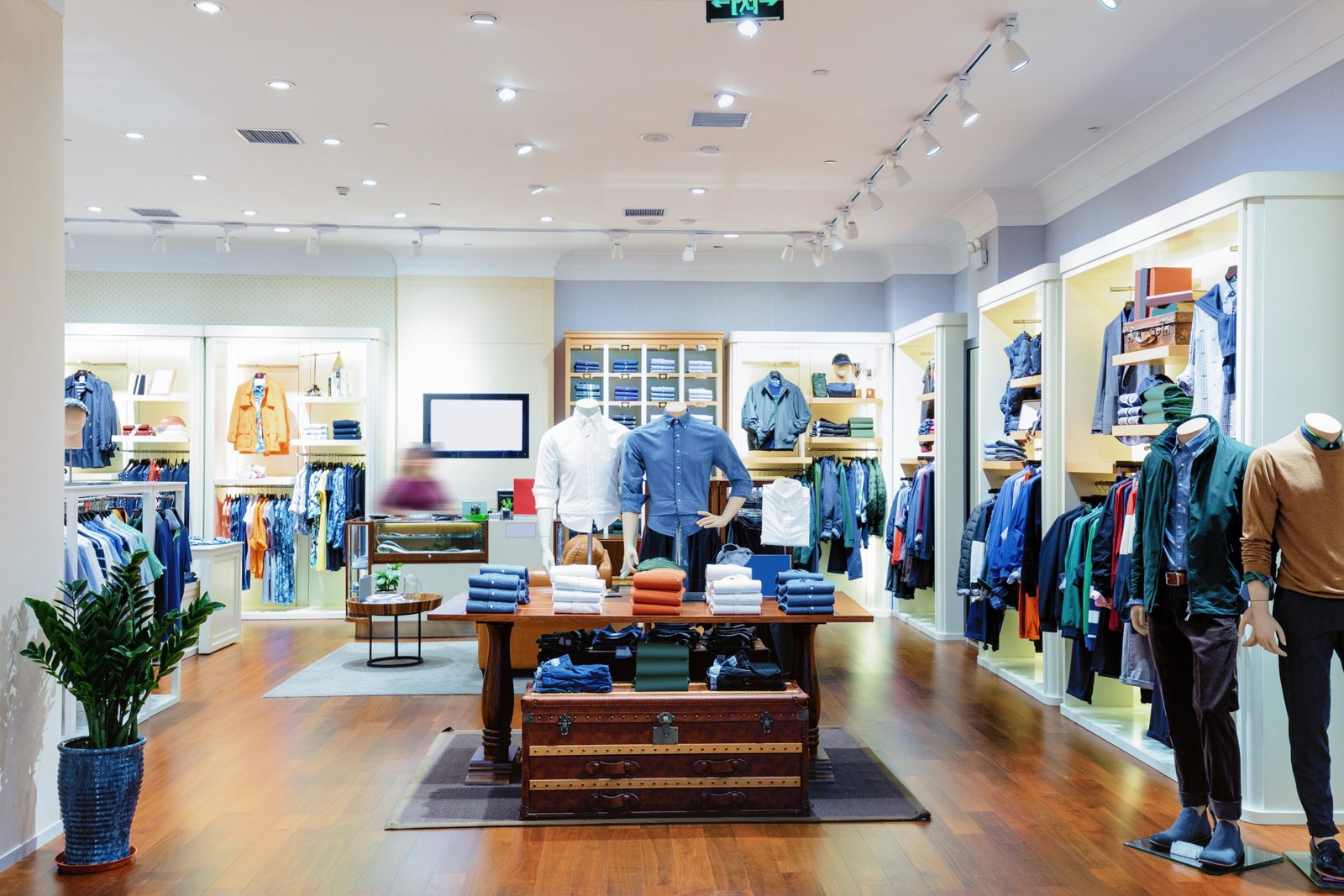
Where Cheyenne manufacturers locate
Manufacturing in the Cheyenne area is varied and mostly sits in the business parks. Tenants listed at Cheyenne Business Parkway include Eagle Claw, Truss-Craft and Magpul Industries, and the Cheyenne Logistics Hub has counted Searing Industries, Vestas and Dr. Elsey's among its tenants. The hub covers about 2,000 acres southwest of the city with access to BNSF and Union Pacific, I-80 and I-25, a short-line operator, transloading and rail car storage, and about 1,500 acres were unsold as of the end of 2022.
Ideas for larger processing plants are also surfacing. In October 2026, Cowboy State Daily reported a proposal for a nitrogen fertilizer plant near Cheyenne, with the Swan Ranch park the likely site because of its rail access. No final site has been chosen, and council members raised water supply as a central question. We mention it because it shows what heavy industry asks of a site: rail, water, power and patience through planning. We help owners evaluate those questions before they commit to land.
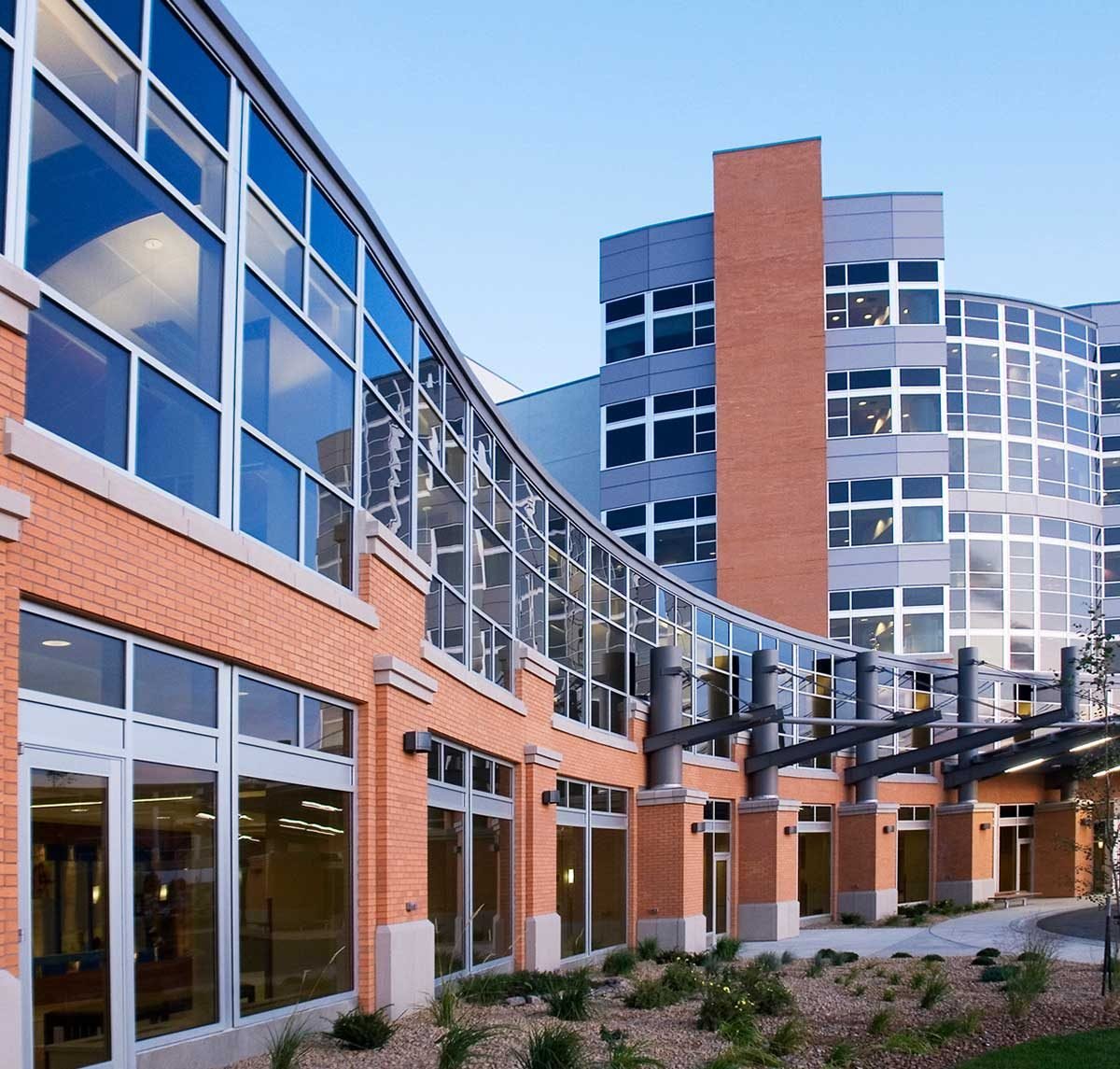
Plants, shops and specialized buildings
Different industries produce very different buildings. A manufacturing plant may combine a high-bay production hall, a mezzanine with offices, a utility yard, a shipping and receiving area and a chemical or finishing room. Food and beverage production adds sanitary finishes, drainage and refrigeration. Metal fabrication adds heavy loads and ventilation for welding. Assembly operations need long open bays and clear space for large work tables.
In Laramie, the City requested a $2.9 million Wyoming Business Council grant to build a 15,500 square foot manufacturing building in Laramie River Business Park for a tungsten powder and parts company, an example of how small, specialized buildings often start with public support. We are comfortable building both the 15,500 square foot shop and the large-scale plant, and we adjust our team accordingly. Our manufacturing facility construction approach scales from one to the other.
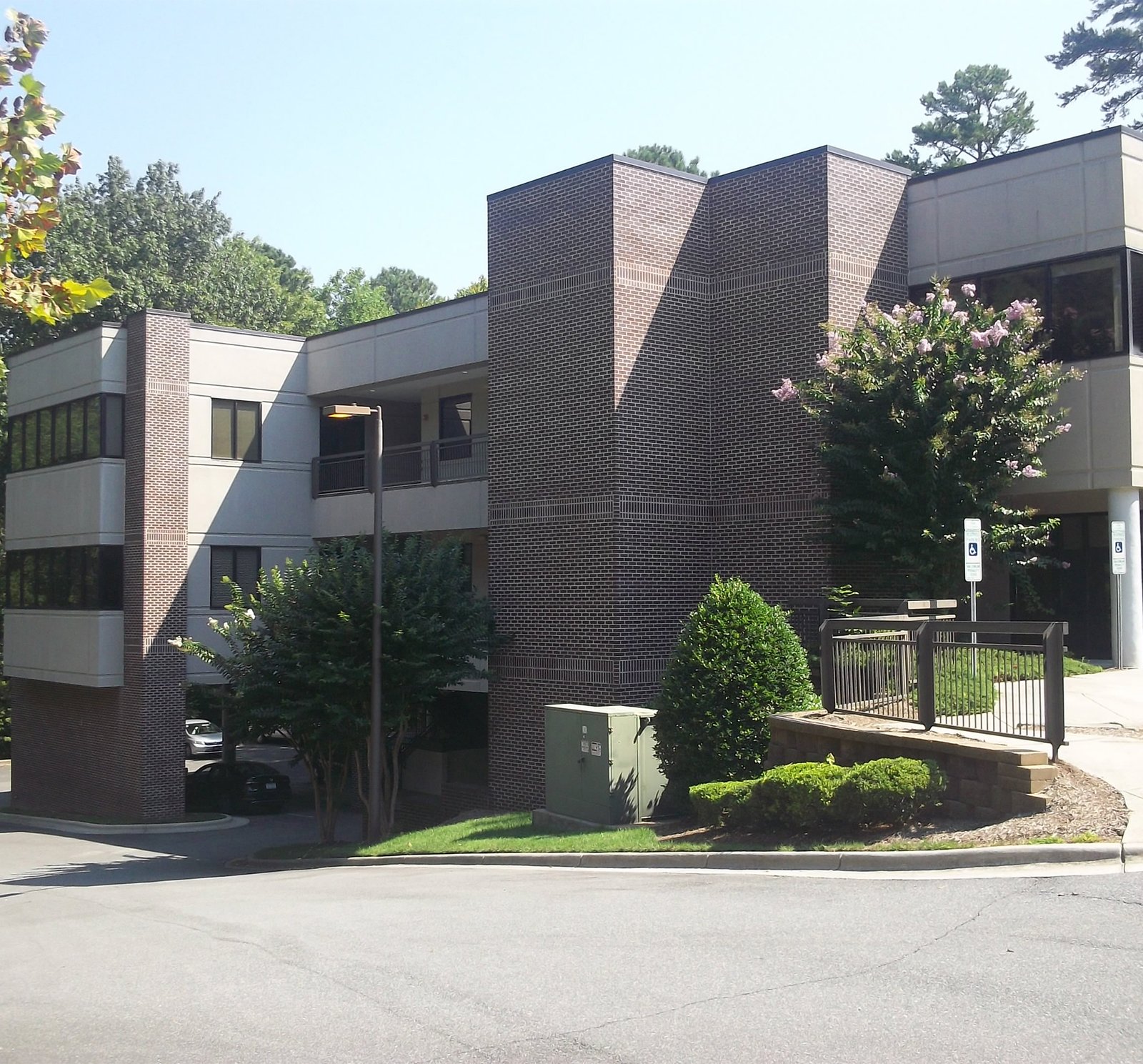
Process, utilities and site cost
Manufacturing budgets are driven by the process, not the shell. The building itself may be a modest share of the total investment, while utilities, equipment foundations, process piping, compressed air, dust collection, electrical service and rigging make up the rest. We separate the owner's equipment from our scope clearly, price utility infrastructure early and identify the connections that depend on vendor decisions.
The location matters for cost. Business parks in Cheyenne have utilities in place, including high-volume natural gas, electricity and redundant fiber at Cheyenne Business Parkway, which can shorten the path to production compared with a greenfield site elsewhere. Building on a rail-served lot adds track, grading and crossing costs that need their own estimate. Frost depth of 36 inches in Laramie County's published criteria, wind loads and snow loads also shape the structure and should be part of the early budget. We coordinate these discussions with government and public sector partners when grants or incentives are involved.
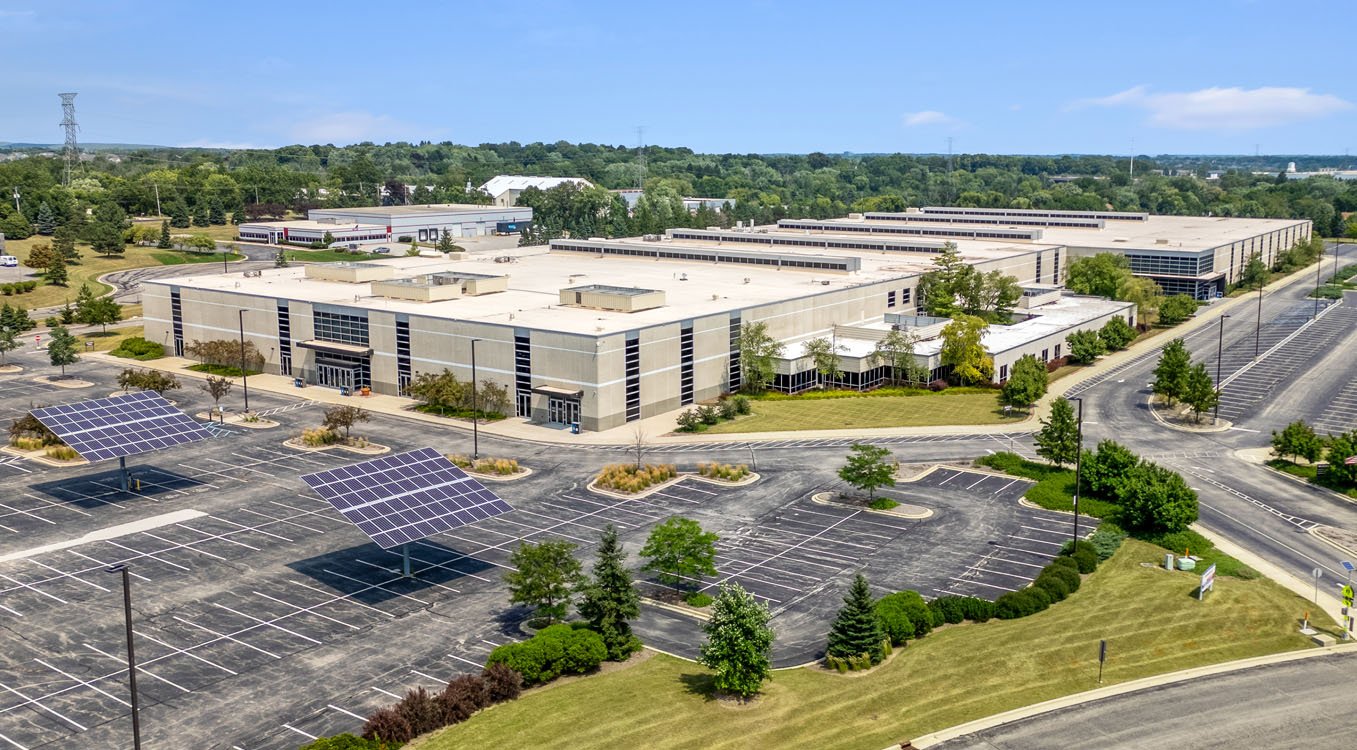
Equipment dates and live-plant expansion
A plant's schedule is usually driven by an equipment arrival date. Machines are ordered, shipped and installed by vendors with their own deadlines, and the building must be ready for them, with slabs cured, power live and enclosure complete. We work backward from that date and share a clear list of what the equipment vendors need.
Operations also affect construction logistics. If the plant expands while production continues, we separate construction traffic from truck routes, protect product and process areas, and schedule tie-ins during planned shutdowns. Owners that depend on inbound freight will often coordinate with the logistics and distribution sector, and the business parks put manufacturers and distributors side by side.
Describe the process and we will price the building
Send us the process flow, the equipment list and the site you are considering. We will return a budget with utilities, foundations and schedule called out.
Common Questions
Which Cheyenne park fits a manufacturer that needs rail?
According to Cheyenne LEADS, the Cheyenne Logistics Hub (Swan Ranch) is the only rail-served business park in Cheyenne, with BNSF and Union Pacific access, I-80 and I-25 and a short-line operator. Cheyenne Business Parkway is not rail served, but offers utilities and interstate access for truck-based operations.
How do you coordinate with equipment vendors?
We obtain foundation, power, utility and rigging requirements early and build them into the drawings and schedule. Vendors often have specific tolerances for slabs and anchor bolts, and we confirm them before concrete is placed. We also hold a coordination meeting before delivery.
Can the plant expand later without shutting down production?
That is easiest if the first phase is planned for it: extendable structure, stubbed utilities, a wall that can be opened and a site layout that leaves room. We discuss expansion paths during design and price the provisions separately.
How does wind affect a manufacturing building here?
Wind affects structural design, door and dock details, roof attachment and crane or erection operations. Laramie County's published criteria list a 105 mph design wind speed, and we design and erect to the code study sheet for your project. Erection is stopped on days when winds are too high to lift safely.
What is a realistic timeline for a small shop?
It depends on permit time, utilities and season. A modest steel building can move quickly once foundations are in, but winter and long-lead door and equipment items can extend it. We provide a phase-based schedule rather than a single number.