Construction for Logistics and Distribution Operators in Cheyenne
Distribution center, warehouse, cross-dock and truck terminal construction in Cheyenne, planned around dock throughput, floors, truck courts and winter.
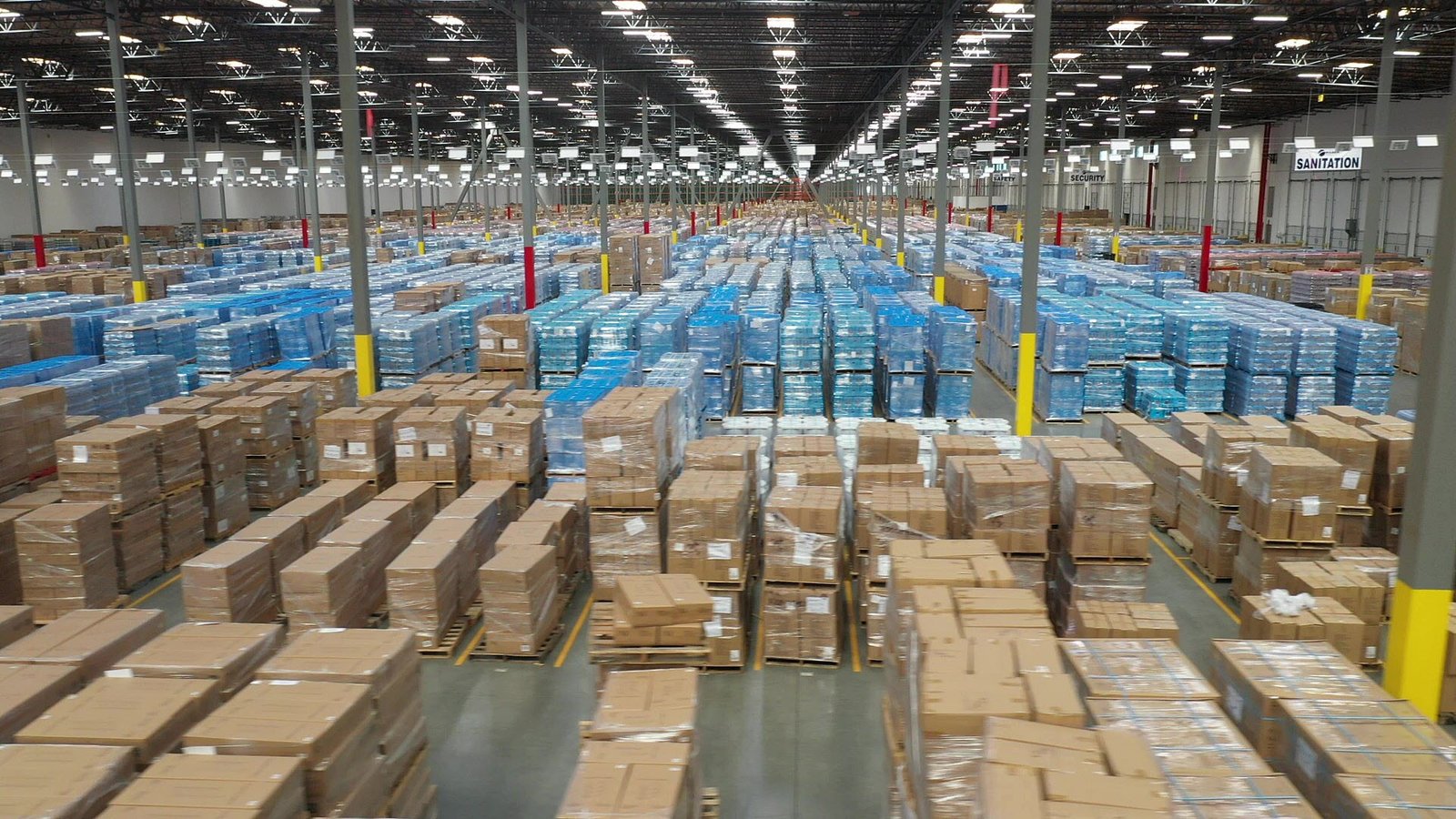
A rebuild of the 1960s cloverleaf at I-25 and I-80 now carries a WYDOT estimate of about $500 million, and heavy trucks account for 17 percent of the crashes there, against about 4 percent at interchanges nationally. Those numbers are the logistics story in Cheyenne in miniature: two interstates meet here, two railroads cross here, and a great deal of freight has to turn, wait or transfer in a place where winter wind and ice can close a road without warning. A distribution building is the part of that system the owner controls.
We build distribution centers, warehouses, cross-docks, truck terminals, cold storage and fulfillment space. The building matters because it sets the throughput of everything inside: how many trucks can be at dock, how quickly a trailer is turned, how high product can be stacked, how an automated system will be supported, and how reliably the floor and doors work in January. Owners who care about those details tend to ask about concrete, truck courts and door seals first, and so do we.
Our job is to give the operations team a building that works on the first day and a schedule that meets the lease or the peak season.
Freight parks along I-80, I-25 and the rail lines
Union Pacific and BNSF both run railyards in Cheyenne, and the freight pattern is clear in the business parks. North Range Business Park has its own interchange onto I-80 and holds Walmart's automated distribution center on a 150-acre site. Cheyenne Business Parkway houses the Lowe's Regional Distribution Center and Sierra Trading Post's fulfillment and catalog headquarters. Campstool Business Park, with direct I-80 access at exit 367, lists the Lowe's Distribution Center among its neighbors, and the Cheyenne Logistics Hub adds rail, a short-line operator and transloading.
These sites share a clear logic: proximity to two interstates, available land and utilities, and a location along a freight corridor that runs through the middle of the continent. The I-80 corridor through Cheyenne also follows a major internet backbone along the Union Pacific right of way, which matters to data-driven fulfillment systems. A user who understands that logic can decide whether to build near the freeway for speed, near rail for flexibility, or on a larger parcel for future expansion.
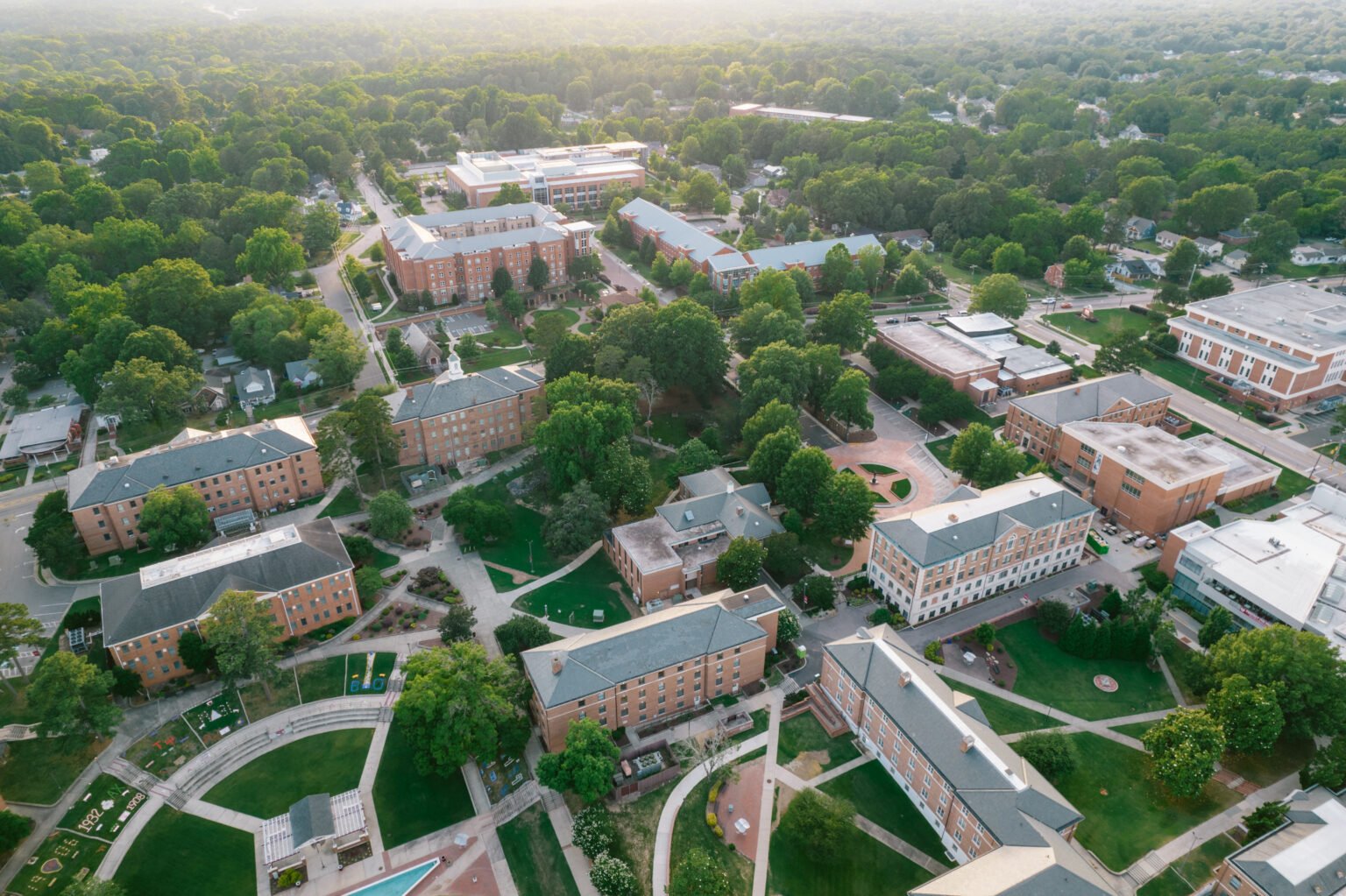
Distribution centers, cross-docks and terminals
Our logistics scope runs from site to turnkey. For a distribution center, that includes mass grading, utilities, tilt-up or steel construction, dock equipment, floor slabs with tight flatness requirements, fire protection for high-piled storage, truck courts and trailer parking. For a cross-dock or terminal, the building is narrow and long, with doors on both sides, and the site is where the building succeeds or fails.
The floor is the single most important piece. Racking, forklifts and automated vehicles all depend on a flat, durable surface, and joint layout controls long-term maintenance. We discuss the slab with the racking supplier before design is final. The concrete areas outside matter equally: truck courts and dock aprons carry heavy, repeated loads and need reinforced concrete sections that hold up through freeze and thaw cycles.
Truck circulation and winter operations
Truck movements shape the site more than the building does. We study entrances, queueing, turning radii, fire access and trailer parking before the building is placed on the parcel, and we coordinate with the county or city on driveway permits and traffic requirements. Near interstate exits, the state's plans for the I-25 and I-80 interchange mean that traffic patterns may change over the next years, with design running to 2027 and construction expected to take at least six years in phases.
Winter is part of logistics. Ice on a truck court, a frozen door seal or snow drifting at a dock can stop a facility, so we detail drainage, apron slopes, heated dock areas where needed, and door and weatherseal specifications that stand up to wind. We also size snow storage into the plan, because piles of plowed snow can take up trailer parking. Distribution operators in the parks share both the weather and the labor pool with manufacturers, so we plan crews and deliveries with that in mind.
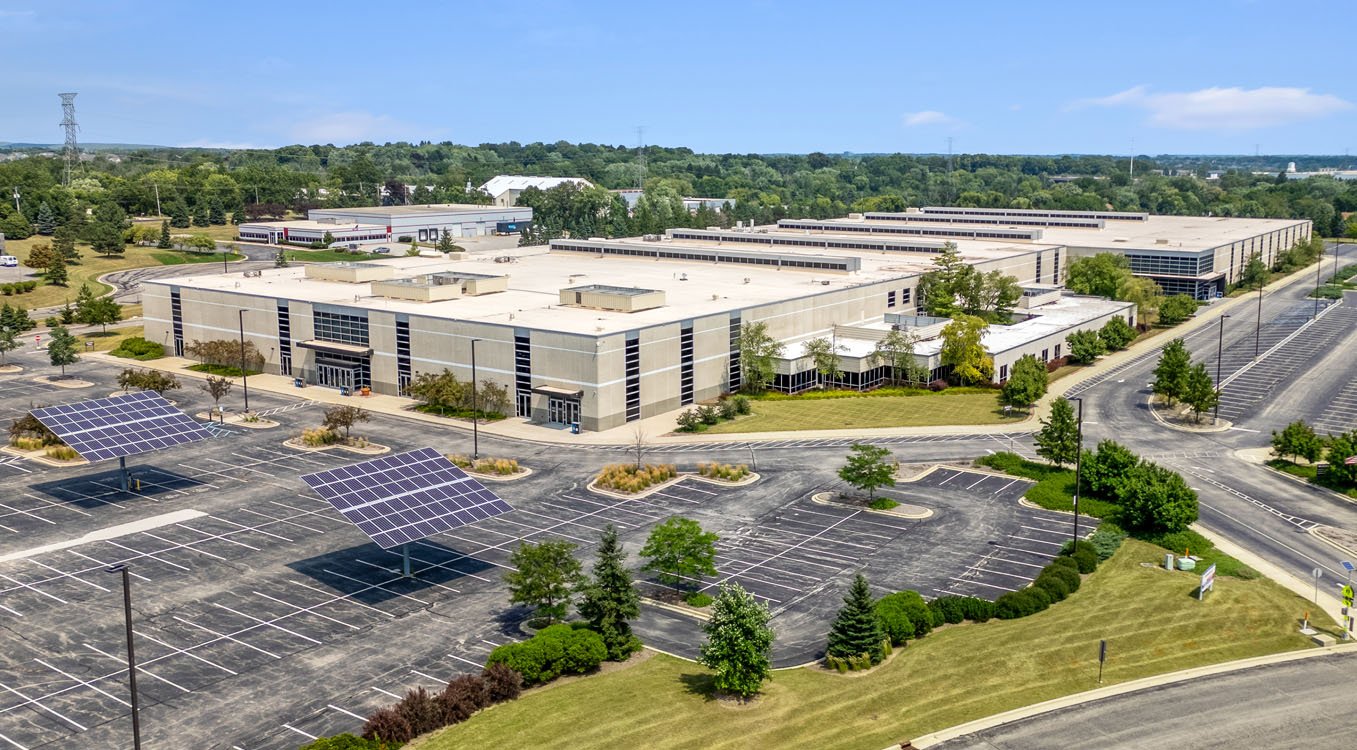
Fire protection, codes and structural loads
Fire protection often decides the cost of a warehouse. Storage commodity, rack height and clear height determine sprinkler design, water supply and possibly pumps and tanks, so the water utility's pressure and flow data are essential early in the project. Wyoming codes are enforced locally: Laramie County adopted the 2024 International Building Code effective January 1, 2025 and the 2024 International Fire Code effective April 15, 2025, and the City of Cheyenne reported in February 2025 that a code adoption package was before its governing body. We confirm the governing jurisdiction and edition at the start.
Structural design follows the local criteria. The county's published table lists a 32 lb/ft2 ground snow load, a 105 mph wind design speed and a 36 inch frost line depth. Large, light-roofed buildings catch wind, so we pay special attention to roof attachment, tilt panel bracing during erection and large overhead door design. Our truck terminal and cross-dock and warehouse buildings experience covers those details.
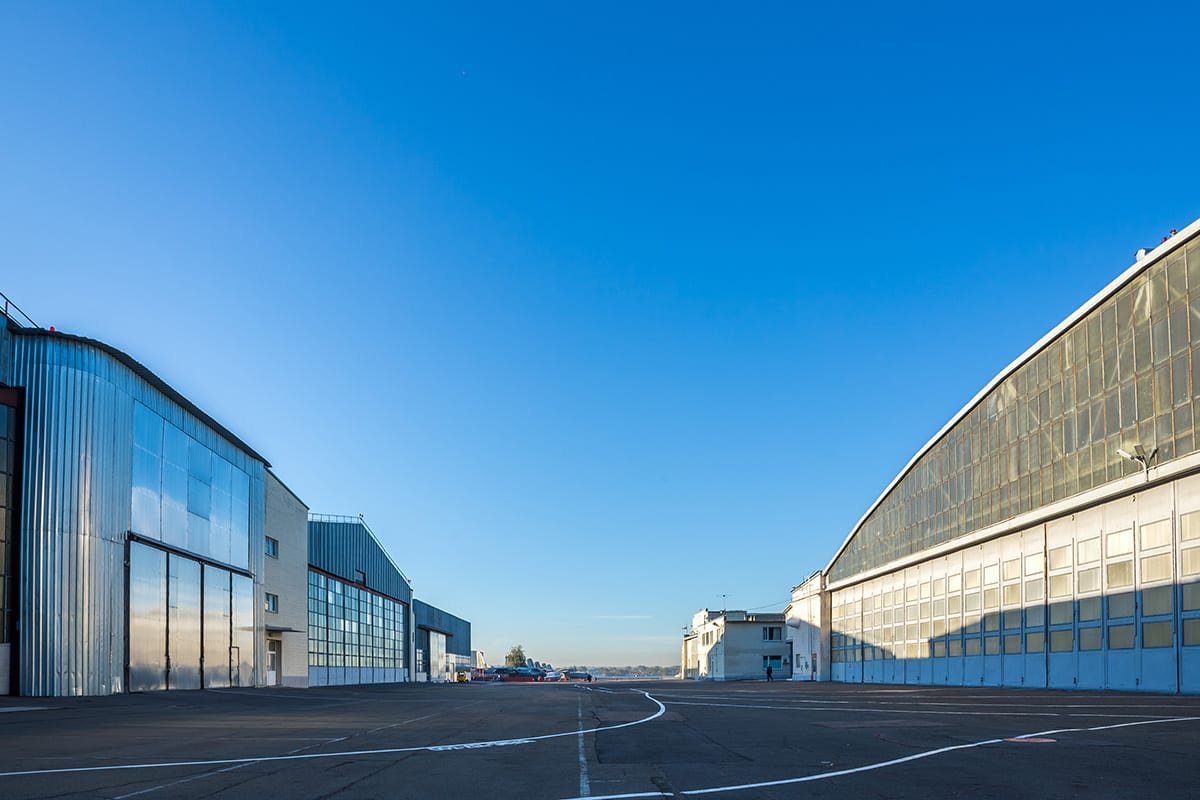
Flexible buildings and neighboring users
Distribution seldom stands alone. Retail chains need regional supply near their stores, manufacturers need shipping space beside their plants, and e-commerce operators want fulfillment space that can expand. We keep track of how the building will be used over time and design for flexibility: extra dock positions that can be added, a clear span structure that can take new racking, and a site that leaves room for the next phase.
When a distribution project is part of a larger campus plan, we coordinate with the surrounding parks, including North Range Business Park and Campstool Business Park, so utilities, access roads and drainage work for the whole site and not just one lot.
Send us your throughput requirements
Share the dock count, rack height, truck volumes and site options. We will return a budget and schedule with floors, truck courts and fire protection priced in.
Common Questions
Should we build near the interstate or near rail?
It depends on how your freight moves. The Cheyenne Logistics Hub is the only rail-served park Cheyenne LEADS lists in Cheyenne, with BNSF and Union Pacific access, transloading and rail car storage. Parks along I-80, such as North Range and Campstool, offer faster truck access. We help you test both against your freight volumes.
What floor flatness do automated systems need?
Requirements vary by equipment and the vendor's specification. Narrow-aisle trucks and automated vehicles often require tighter tolerances than a simple warehouse. We obtain the vendor's flatness numbers before design, and we plan the placement method, joints and curing to meet them.
How long does a distribution center take to build?
The shell can move quickly once the site is ready, especially with tilt-up or steel systems, but the complete schedule depends on permit review, utilities, fire protection, dock equipment and racking. We give a schedule broken down by those phases.
How do you keep construction from blocking an operating facility?
We separate construction access from truck routes, schedule tie-ins for off-peak periods and protect operating areas with barriers. If the facility is working seven days a week, we plan the work in short windows agreed in advance.
Does I-25 and I-80 interchange construction affect site access?
It may, over time. WYDOT's plan is a phased rebuild with design running to 2027 and at least six years of construction. We look at access options early so your entrance, queueing and truck routes still work as the interchange changes.