General Contractor in Cheyenne, Wyoming
Commercial, institutional, multifamily and industrial construction in Cheyenne, planned around Laramie County design criteria, wind, frost and public owners.
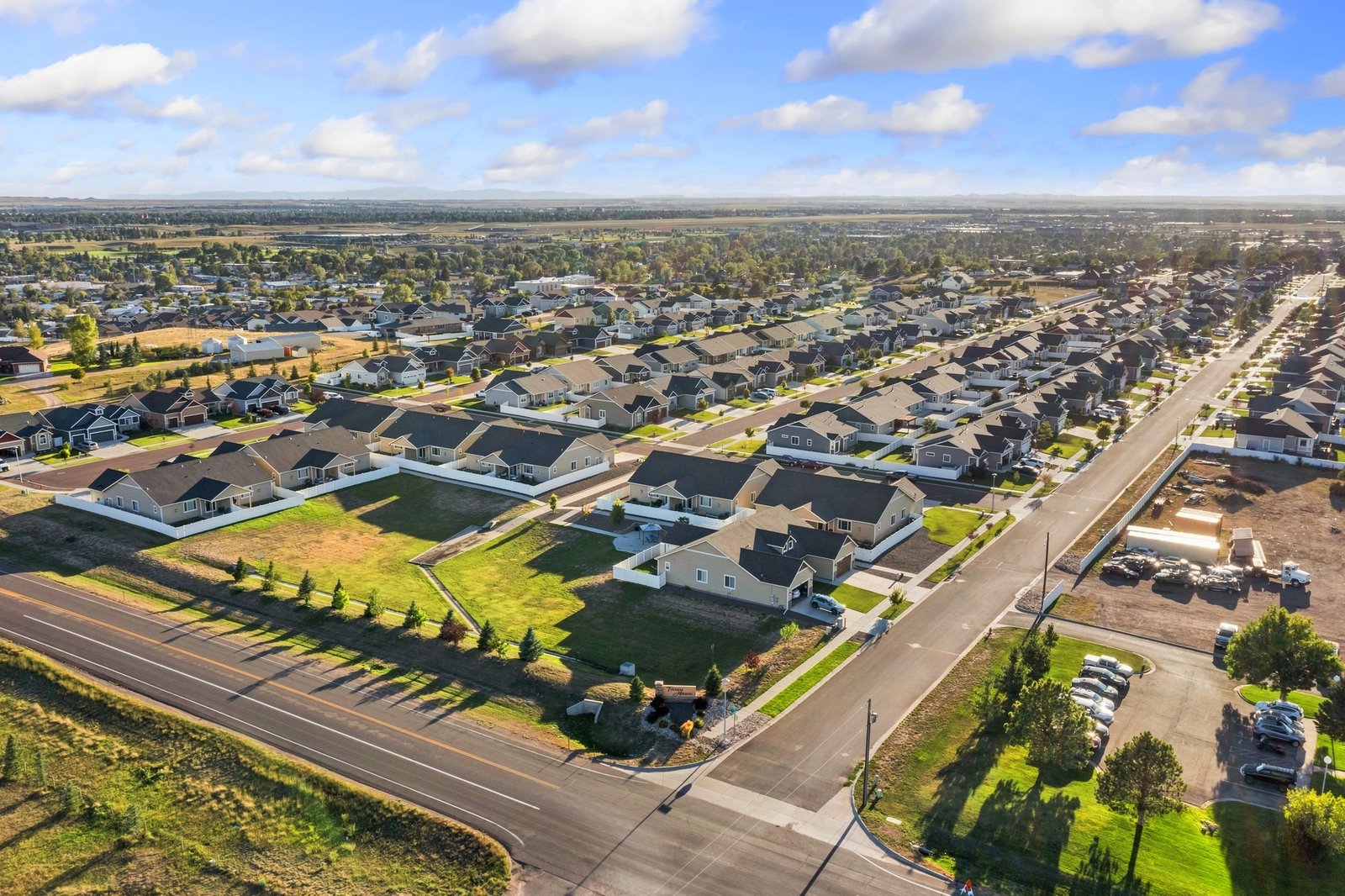
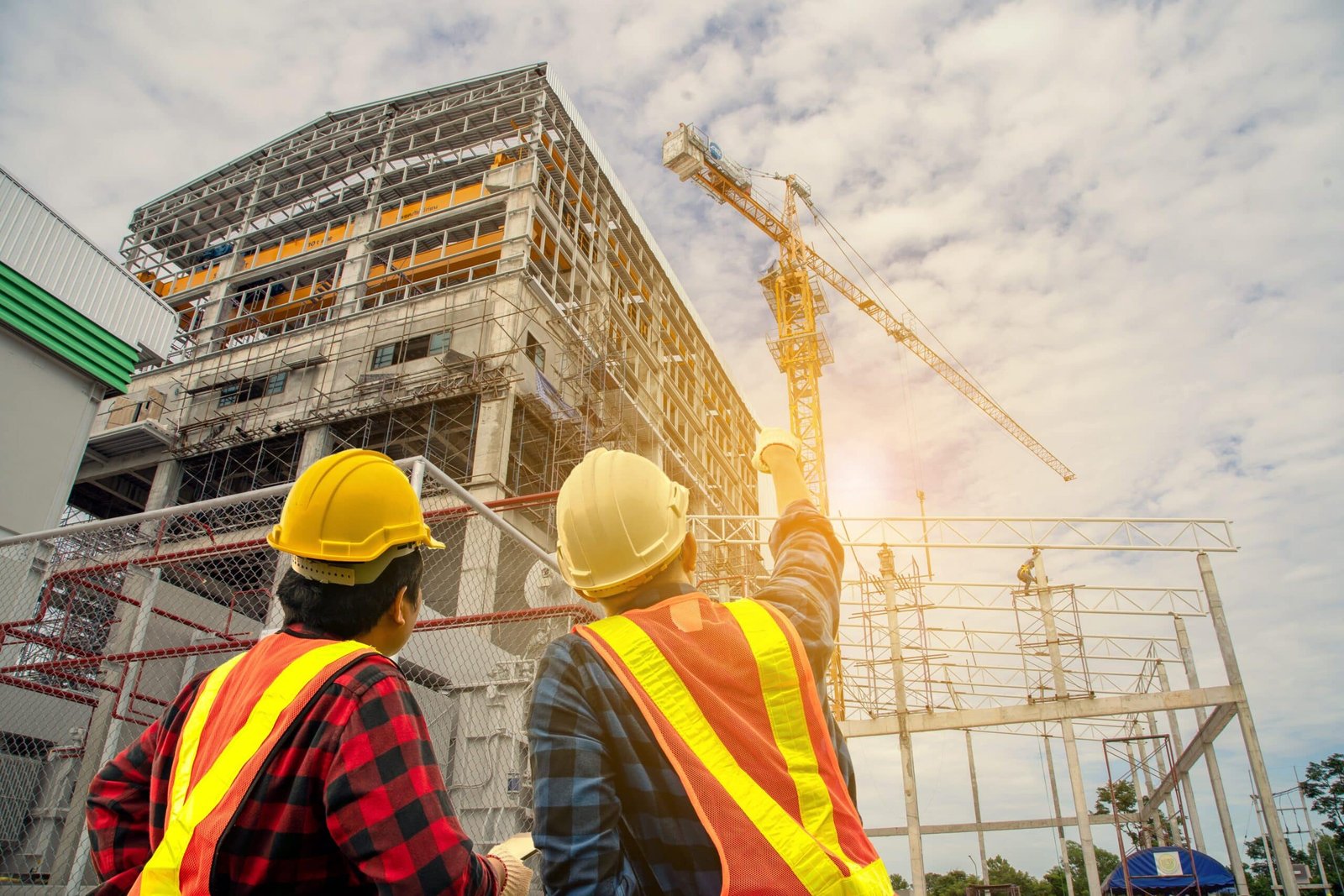
Laramie County's design criteria table lists a 36 inch frost line depth, a 105 mph wind design speed and a 32 lb/ft2 ground snow load, and those three numbers decide a surprising share of what a commercial building costs in Cheyenne. Footings go deep, lateral systems are sized for sustained wind, and roofs carry real snow. We build offices, retail, hotels, multifamily, medical and light industrial work here with those numbers in the first set of drawings, not the last.
The table in question is the county's residential one. Commercial projects follow IBC Chapter 16 and show every design criterion on code study sheets, so the first thing we do on a new Cheyenne job is read the sheets alongside the structural engineer and confirm that the loads on paper match the loads the local building official expects.
From there the work is sequencing. Cheyenne sits at roughly 6,086 feet, the weather window for exterior concrete and envelope work is shorter than most owners assume, and the people you deal with at the permit counter matter as much as the people on the roof. We plan for both, and we keep the owner informed of each hand-off so nobody learns about a delay from a calendar.
A capital city with two railroads and two interstates
Cheyenne is served by I-25, which meets I-80 southwest of the city, along with I-80 itself, US 30, US 85 and US 87, and I-180 runs as a bypass with US 85 between I-80 and US 30. Union Pacific and BNSF both operate railyards here. For a builder, that road and rail geography explains why so much of the demand is logistics, data and government work, and why truck access, turning radii and laydown space are first-week conversations on almost every site.
The city is also the seat of state government, so a good share of owners are agencies or institutions that run on procurement calendars, public-bid rules and board approvals. We are comfortable with that cadence. We price from complete documents, document every assumption and leave the owner with a record that holds up when someone reviews it two years later. If your project involves public money, our work with government and public sector owners is the best place to start.
Which code applies, and who reviews it
Wyoming has no single statewide building code. The International Code Council notes that codes are adopted and enforced locally by cities and counties, and the state delegates enforcement authority to qualifying localities, which must keep their standards at least equal to the state standard within six months of a new state adoption. Laramie County adopted the 2024 International Building Code with amendments effective January 1, 2025 and the 2024 International Fire Code effective April 15, 2025.
Inside the city, the picture is less settled on paper. At the Cheyenne Building Code Board of Appeals meeting of February 5, 2025, the Chief Building Official reported that a code adoption package was before the governing body and that the 2018 Energy Code would remain in effect. We confirm the adopted edition, energy code and local amendments with the building department before pricing, and we write the answer into the project's design criteria so the owner, architect and engineer are working to the same page. Our permitting and entitlements support covers that confirmation and the plan review that follows.
What gets built in Cheyenne
Office and professional buildings, medical clinics, hotels, retail pads and multifamily are all in steady demand around the capital, and each has its own rhythm. Office buildings turn on core and shell coordination and tenant fit-out sequencing. Hotels and restaurants turn on finish deliveries and opening dates. Multifamily turns on podium or wood-frame sequencing and winter weather protection.
Industrial and flex work follows the business parks. Cheyenne Business Parkway covers 900 acres east of central Cheyenne with natural gas, electricity and redundant fiber in place, and North Range Business Park offers 21 sites on 620 acres with immediate I-80 access. Those parks need tilt-wall and steel shells, heavy slabs and truck courts, and we build them as a single sequence from site utilities through occupancy rather than as handoffs between separate teams.
Planning around wind, frost and short days
Concrete is the scheduling hinge. Footings placed in November need cold-weather protection, and a slab that should have been poured in October becomes a heated-enclosure decision in December. We lay out the critical path so that foundations and slabs-on-grade land in the warm months wherever possible, and we price winter conditions openly when they cannot.
Wind affects crane picks, tilt-up panel erection, roofing and any work at height, so our superintendents plan lifts with a day or two of float rather than a fixed date. Long-lead items such as switchgear, rooftop units and structural steel are released early, because a Cheyenne schedule that slips a month in the fall rarely recovers until spring. We report on lead times and weather days in every meeting, and we sequence interior work so the building can be enclosed and heated before the hardest weeks arrive.
How owners usually engage us
Most Cheyenne owners start with commercial construction as the umbrella, then add the pieces that fit the project: preconstruction pricing for a budget check, design-build when the schedule is tight, or construction management when the owner wants an open-book process. We are equally comfortable on a negotiated project with a known architect or a competitively bid project with a stack of addenda.
Cheyenne also sits next to some of the largest federal and technology investment in the state. Anyone building near the base should read our notes on F.E. Warren Air Force Base, where gate access, escort rules and material delivery windows shape the whole job. Owners considering data centers should look at the Cheyenne data center corridor for how that market stages its trade labor.
Where we work around the capital
Our Cheyenne coverage includes the central city, the Dell Range corridor, the airport area, the industrial parks east and south of town and the interchange district where I-25 and I-80 meet. We also work in the smaller towns across Laramie County, and the construction trade partners are used to mobilizing across the high plains with a full complement of equipment and materials rather than assuming a local supplier will have everything on a Monday.
If your site is in a business park, we start with the park's utilities, easements and covenants. If it is infill, we start with neighbors, access and underground conflicts. Either way, the first call is a site walk with the owner and the design team.
Talk through your Cheyenne site
Send us the address, the drawings you have and the date you need to open. We will walk the site with you, confirm the jurisdiction and design criteria, and come back with a plain schedule and a budget range.
Common Questions
Do I need to follow the county code or the city code on a Cheyenne project?
It depends on where the parcel sits and who holds enforcement authority for it. Laramie County adopted the 2024 International Building Code effective January 1, 2025, while the City of Cheyenne's adoption package was still before its governing body in early 2025. We confirm the jurisdiction, the adopted editions and any amendments with the building department before pricing, then record them in the design criteria.
What snow, wind and frost values should my engineer carry?
Laramie County's published table lists a 32 lb/ft2 ground snow load, a 105 mph wind design speed and a 36 inch frost line depth. Commercial projects still work from IBC Chapter 16 and the project's code study sheets, so your engineer should confirm the values with the building official rather than relying on the residential table alone.
How much of a Cheyenne schedule should I reserve for winter?
Plan for it explicitly. Footings and slabs that miss the warm months need protection, and enclosing the building before the hardest weeks can save more than it costs. We build the critical path around enclosure dates, and we show the winter cost alternatives in the preconstruction budget.
Can you handle both public-bid and negotiated work?
Yes. Cheyenne is home to state offices and institutional owners that bid in the open, and to private developers that negotiate. We price both from complete documents and keep the same open record of assumptions on each.
Where does Cheyenne's rail help a new building?
Union Pacific and BNSF both operate railyards in the city, but not every business park is served. Cheyenne Business Parkway is listed as not rail served, while the Cheyenne Logistics Hub is the rail-served park. We check the siting against the tenant's freight needs early.