
General Contractor Serving Pine Bluffs and the Eastern I-80 Corridor
Commercial, school, travel-service and metal-building construction in Pine Bluffs, Wyoming, about 42 miles east of Cheyenne on I-80, built for hail and cold.
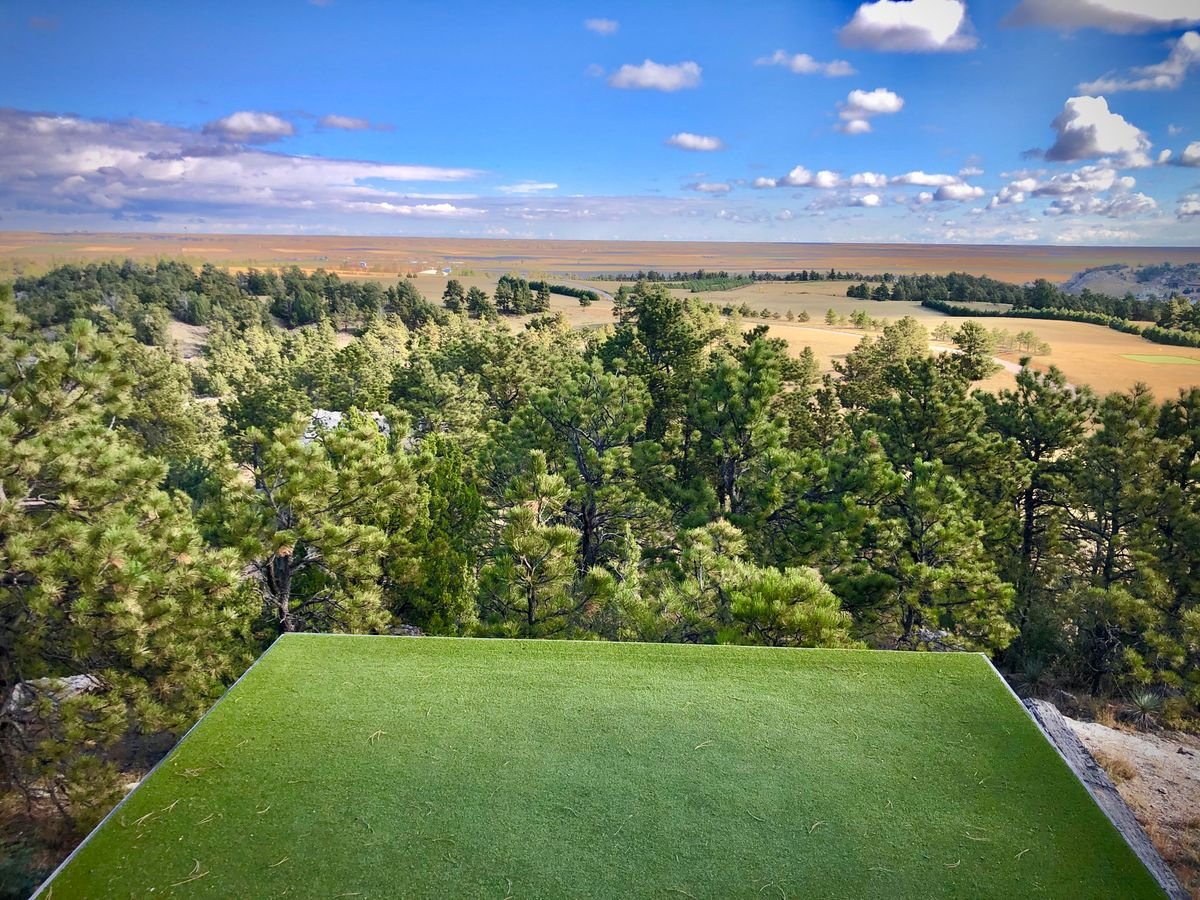

Forty-two miles east of Cheyenne on I-80, Pine Bluffs is the kind of job site where the mobilization plan matters as much as the drawings. The town sits at 5,049 feet on the eastern edge of the state, is served from I-80 exit 401 via US 30 to WYO 215, and has a small year-round population of 1,172 residents in the 2020 count. We build there for owners who need a Cheyenne-based contractor with the equipment, trade relationships and permit knowledge to deliver a project that is a long drive from the nearest supply yard.
The work is practical and varied: highway-oriented commercial buildings near the interchange, school and community facilities, light industrial and storage structures, and metal buildings for operators who need space quickly. Much of it is modest in size, but all of it still has to meet the code, survive the wind and hail, and come in on a budget that reflects how few contractors are willing to travel this far.
Because crews, deliveries and inspections all have to travel, we plan Pine Bluffs jobs in blocks. We package earthwork, concrete and erection into efficient trips, hold materials in a laydown area and keep a single superintendent responsible for the site from first stake to final inspection.
Getting to the job, and keeping it supplied
I-80 exit 401 serves Pine Bluffs, and Business Loop I-80 follows Parsons Street and the Lincoln Highway through town. One source places the start of the loop opposite the welcome center at exit 402, so the exit numbering is worth confirming on the ground before a delivery route is set. The Union Pacific Railroad reached Pine Bluffs in 1868 as part of the first transcontinental railroad, and the town was a cattle shipping station, which is why the rail line and the highway still define its commercial layout.
For us, that geography means an efficient route for steel, rebar and concrete trucks, but also a drive time to account for. Ready-mix is the key item: a long haul affects set time and slump, so we coordinate batch plants, additives and pour windows in advance. When the project is large enough, we weigh a temporary on-site laydown yard against repeat deliveries and share the numbers with the owner. The same drive time applies to very small towns such as Albin, where trips are planned as carefully.
What we build here
Highway-oriented work comes first. Owners near an interstate interchange typically look at lodging, food service, fuel and convenience, and truck-oriented services, all of which depend on easy ingress and egress for tractor-trailers. Our truck terminal and cross-dock experience carries over, particularly the pavement design and truck court and dock apron work that holds up under heavy axle loads.
The second group is institutional. Pine Bluffs is served by Laramie County School District #2, with Pine Bluffs Elementary for kindergarten through sixth grade and a junior and senior high for seventh through twelfth, and Laramie County Community College operates an outreach center in town. Small additions, renovations and security upgrades on those facilities follow the schedule of the school year, which we plan around in the same way we do on the main campus.
A semi-arid site with hard weather
Pine Bluffs has a semi-arid climate with average annual precipitation of 15.59 inches and a record low of 38 degrees below zero Fahrenheit. A severe hailstorm in July 2016 brought in the Wyoming National Guard. Those three facts explain most of our design advice here: roofs need hail-tolerant membranes or heavier-gauge metal, footings need to sit below frost, and concrete placed in cold weather needs protection and patience.
Low rainfall does not mean low drainage demand. Short, intense storms still shed large volumes of water across flat, hard pavement, so we design swales, detention and culverts carefully. On the cold side, we plan winter pours with heated enclosures, insulated blankets and mixes adjusted for early strength, and we avoid placing finished flatwork on frozen subgrade.
Remote-site safety and code realities
A remote jobsite changes the safety plan. Emergency response times are longer, cell coverage can vary, and a small crew may be working far from help. We hold a pre-task planning meeting each day, assign a trained first-aid responder to every crew, post the nearest hospital route on site and set weather rules for high wind, lightning and extreme cold.
On the regulatory side, Wyoming has no single statewide building code, and the International Code Council notes that requirements vary by jurisdiction, so we confirm with the local building authority who reviews and inspects a Pine Bluffs project. We will not guess which edition applies. Once that is settled, we schedule inspections for the days a Cheyenne-based crew is already on site.
How we keep a distant job on schedule
Distance rewards preparation. We submit and approve materials before mobilizing, pre-assemble what can be assembled in the shop and stage the fasteners, flashing and small parts that stop a crew when they run short. A forgotten box of anchor bolts is a day lost on a job this far out, so we check bolt templates and embed locations before the crew leaves town.
For owners comparing sites along the interstate, we are happy to offer a candid view of how the eastern corridor compares with places closer to Cheyenne, such as Egbert at exit 391. Where a pre-engineered metal building is the right answer, we say so, and where a masonry or tilt-wall structure earns its higher cost, we explain why. Operators in logistics and distribution in particular should look at both.
Building in Pine Bluffs or along the eastern I-80 corridor?
Tell us about the site, the use and the date you need to open. We will review access, weather exposure and delivery logistics, then return a scope and a budget range.
Common Questions
Do you charge more for a project this far from Cheyenne?
Travel, per diem and delivery time add cost, and we show them as separate lines so the owner can see them. Packaging the work into longer visits and using local labor where it makes sense reduces that premium. We also consider whether a prefabricated or metal building can reduce on-site days.
How do you handle ready-mix on a long haul?
We coordinate with the batch plant on travel time, use set-control additives when needed and arrange pour crews to receive trucks quickly. In cold weather we add heated water and blankets, and in hot weather we plan retarders and early pours. Test cylinders and slump checks remain part of the quality plan.
What does the hail history mean for roofing?
A severe hailstorm in July 2016 required help from the Wyoming National Guard, so we recommend hail-tolerant roofing systems and heavier metal gauges. Insurers and owners both benefit from a roof designed for the exposure, and we price those options alongside the standard ones.
Can you work on school district or community college facilities?
Yes. Pine Bluffs is served by Laramie County School District #2, and Laramie County Community College operates an outreach center in town. Schedules usually follow the academic calendar, and we plan site security, noise limits and public-owner documentation accordingly.
Which building code applies in Pine Bluffs?
Wyoming has no statewide building code, and enforcement belongs to local jurisdictions. We confirm who reviews your permit and which edition they use before design is finalized, and we build the confirmed requirements into the plans.