About General Contractors of Cheyenne
Commercial and industrial general contracting in Cheyenne
A building in Cheyenne has to clear three tests before it clears a single inspection: someone has to approve the money, someone has to approve the plans, and, if the site is near the base, someone has to approve the people. General Contractors of Cheyenne builds for owners who live with all three. We are a commercial and industrial general contractor serving Cheyenne, Laramie County and the I-25 and I-80 corridors, and this page describes the work we do, the paperwork we expect and the way we run a job.
We keep the description factual because that is how the work is done here. Owners in a capitol city tend to read contracts closely, ask for documentation and expect a schedule to mean what it says. We would rather meet that expectation than talk around it.
Who approves the money
Cheyenne is a government town. The Wyoming State Capitol was built between 1886 and 1890, the downtown historic district covers 67 buildings, and the local Chamber of Commerce chief has described the military as roughly 30 to 35 percent of the local economy. Public agencies therefore sit behind a large share of the work, whether the owner is the state, the county, the city, a school district or a special district.
Public owners buy differently from private ones. Funding arrives on a calendar, procurement follows written rules, and every change order needs a paper trail that an auditor can follow. We prepare for that from the first estimate when we work for state, county and city owners: scopes written so they can be compared, allowances identified as allowances, and records organized as the project goes rather than at the end.
Private owners benefit from the same discipline. A developer with a lender, a property manager with an ownership group or a retailer with a regional office all need cost reports they can forward without explanation. We write ours that way.
Budget
An early budget built from the site, the program and the funding source the owner has to answer to.
Plans
Plan review, permits and business-park design standards worked through before the price is final.
Site Access
Badging, background checks and escorted access planned for sites near the base.
Schedule
Wind, frost and a short exterior season written into the schedule from the first draft.
Questions owners ask before they hire a contractor
Do you work on government and public projects in Cheyenne?
Yes. We prepare estimates, schedules and documentation for state, county, city, school and special-district owners, and we organize records so they hold up to review. Procurement rules vary by agency, so we confirm the delivery method and requirements before pricing.
Can you build near F.E. Warren Air Force Base?
We build for owners near the base and, where the contract structure allows, work as a subcontractor to prime contractors on the installation. Access procedures, submittals and security conditions are planned from the start, and we do not promise anything the contracting process does not permit.
Which building code applies to my project?
Wyoming has no single statewide building code. Codes are adopted and enforced by cities and counties. The state adopted the 2024 International Codes in June 2024, and Laramie County adopted the 2024 International Building Code with amendments effective January 1, 2025. We confirm the edition and any local amendments with the building department that has jurisdiction over your site.
How does wind and winter weather affect your schedule?
We plan for it. Crane lifts and panel erection have wind limits, footings follow the local frost depth, and cold-weather concrete protection is priced when placements fall in winter. Weather allowances are built into the schedule so a bad week does not break it.
Do you build warehouses and data centers?
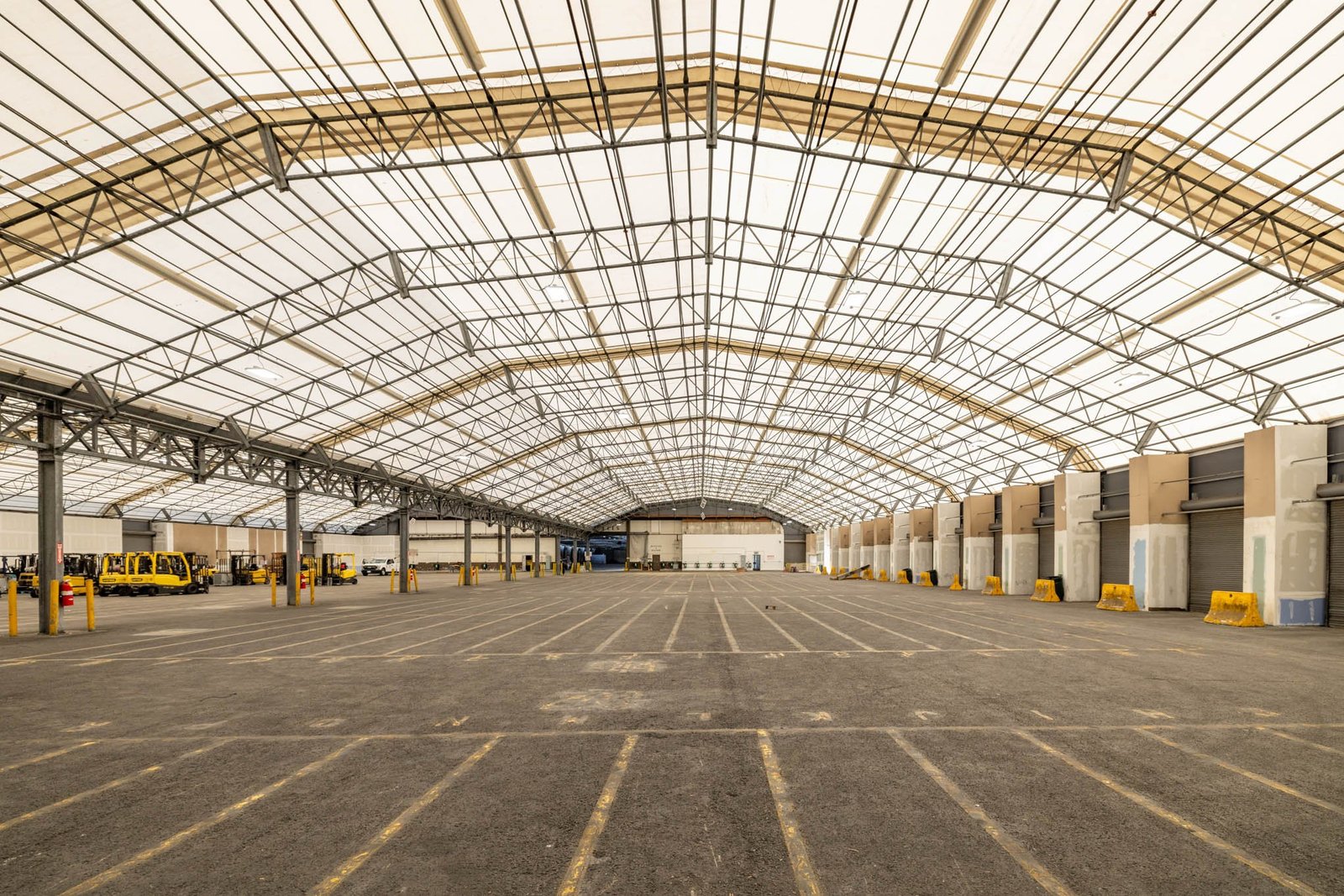
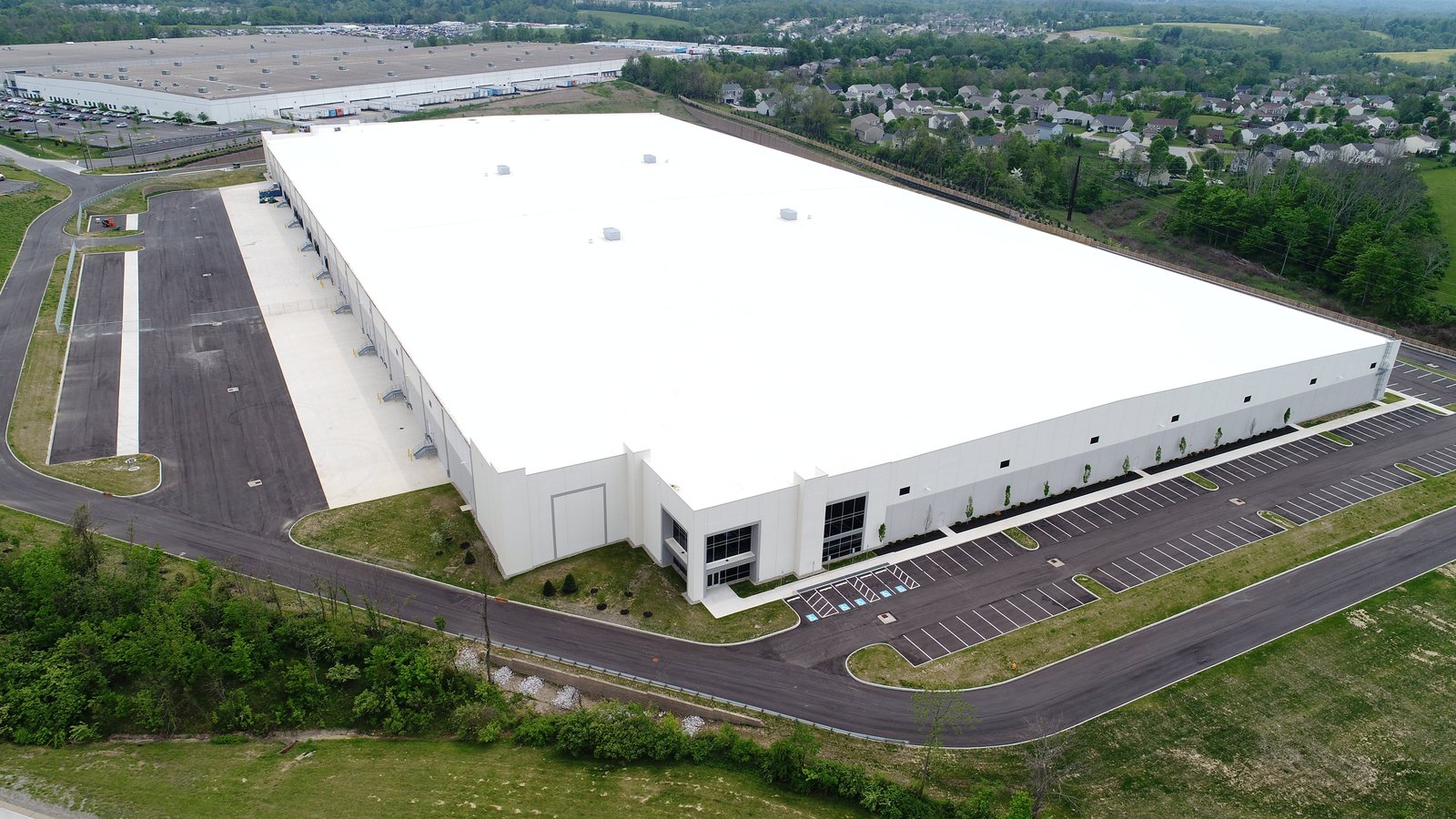
Yes. We build warehouses, distribution centers, cold storage, flex industrial space, pre-engineered and tilt-wall buildings, and data center shells and support structures. Utility capacity, long-lead equipment and site infrastructure drive those projects, so we address them early.
Who approves the plans
Wyoming does not have a single statewide building code. Codes are adopted and enforced by cities and counties, so requirements differ from one jurisdiction to the next. The state adopted the 2024 International Codes on June 28, 2024, and localities that hold enforcement authority have six months to match them or exceed them. Laramie County adopted the 2024 International Building Code with amendments effective January 1, 2025. For work inside the city we confirm with the city building department which edition applies before pricing anything that depends on it.
Design values are local too. Laramie County publishes a ground snow load of 32 pounds per square foot, a design wind speed of 105 miles per hour and a frost line depth of 36 inches in its residential criteria table, and commercial projects follow Chapter 16 of the International Building Code with the design criteria shown on code study sheets. We read those sheets as carefully as the architect does, because wind and frost change what a footing, a roof and a wall panel have to be.
That is the reason we give permitting and entitlement coordination its own line in the budget and its own owner on our team. Zoning, site plan review, utility availability and plan review run on their own clocks, and the quickest way to lose a month is to discover a requirement after the drawings are finished.
Data centers, logistics and the two interstates
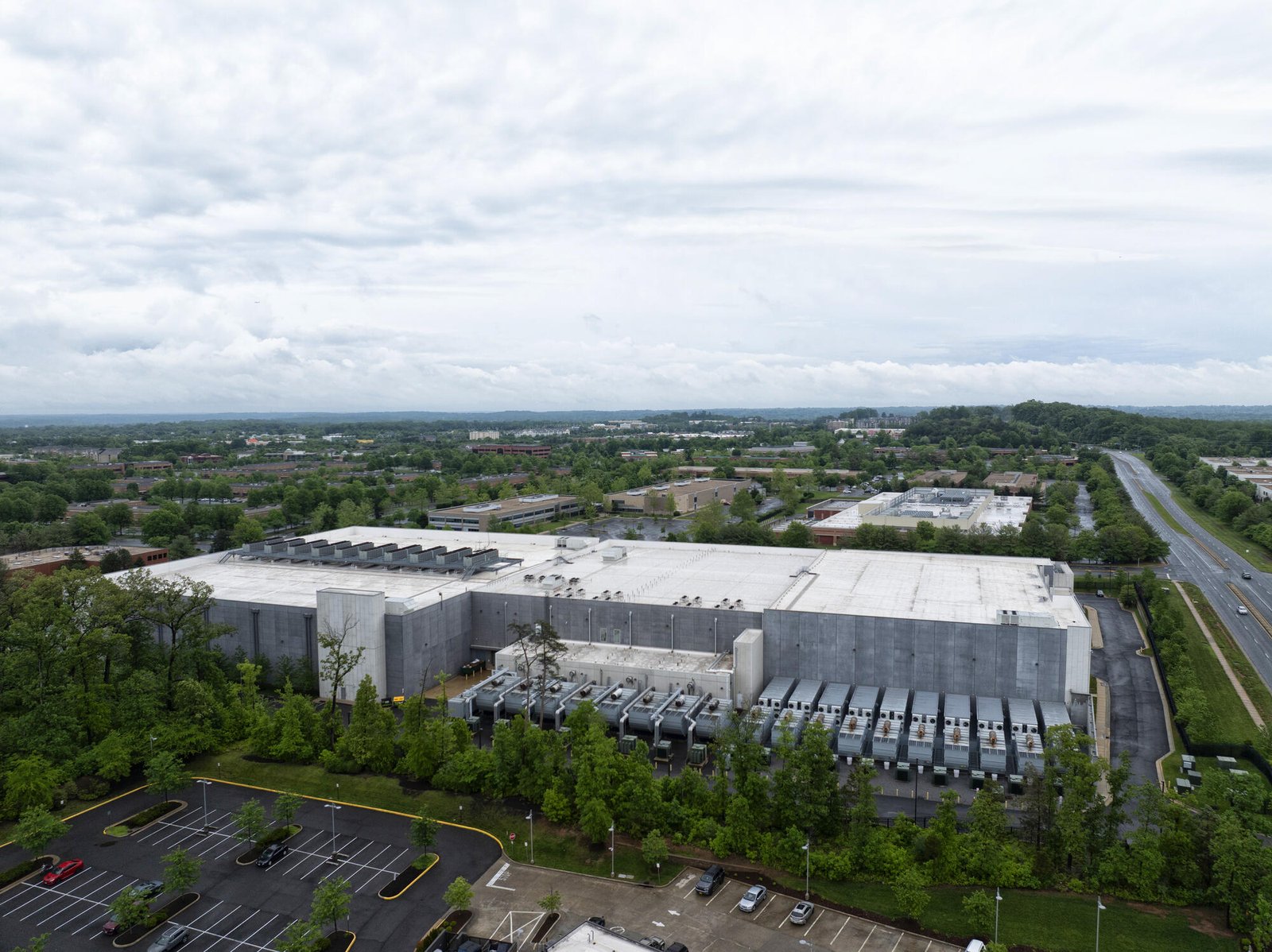
Cheyenne is also a data center town. The I-80 corridor follows an internet backbone along the Union Pacific right of way, and the city has attracted a series of large operators over two decades. The newest campus is planned on 960 acres in the High Plains Business Park south of town, with an opening scheduled for 2027 and more than 1,000 skilled trade jobs at peak construction. We support that market with data center construction that begins with power, fiber and water, then moves to shells, white space and support buildings. Utility capacity, long-lead electrical gear and labor availability drive these projects, so we plan them in that order.
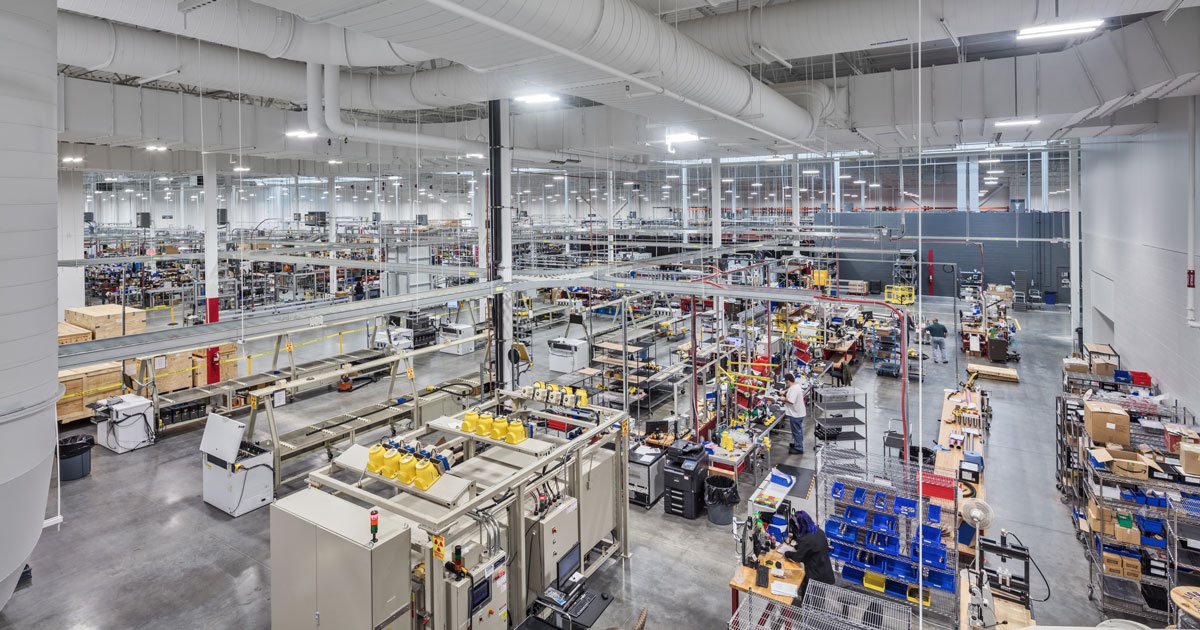
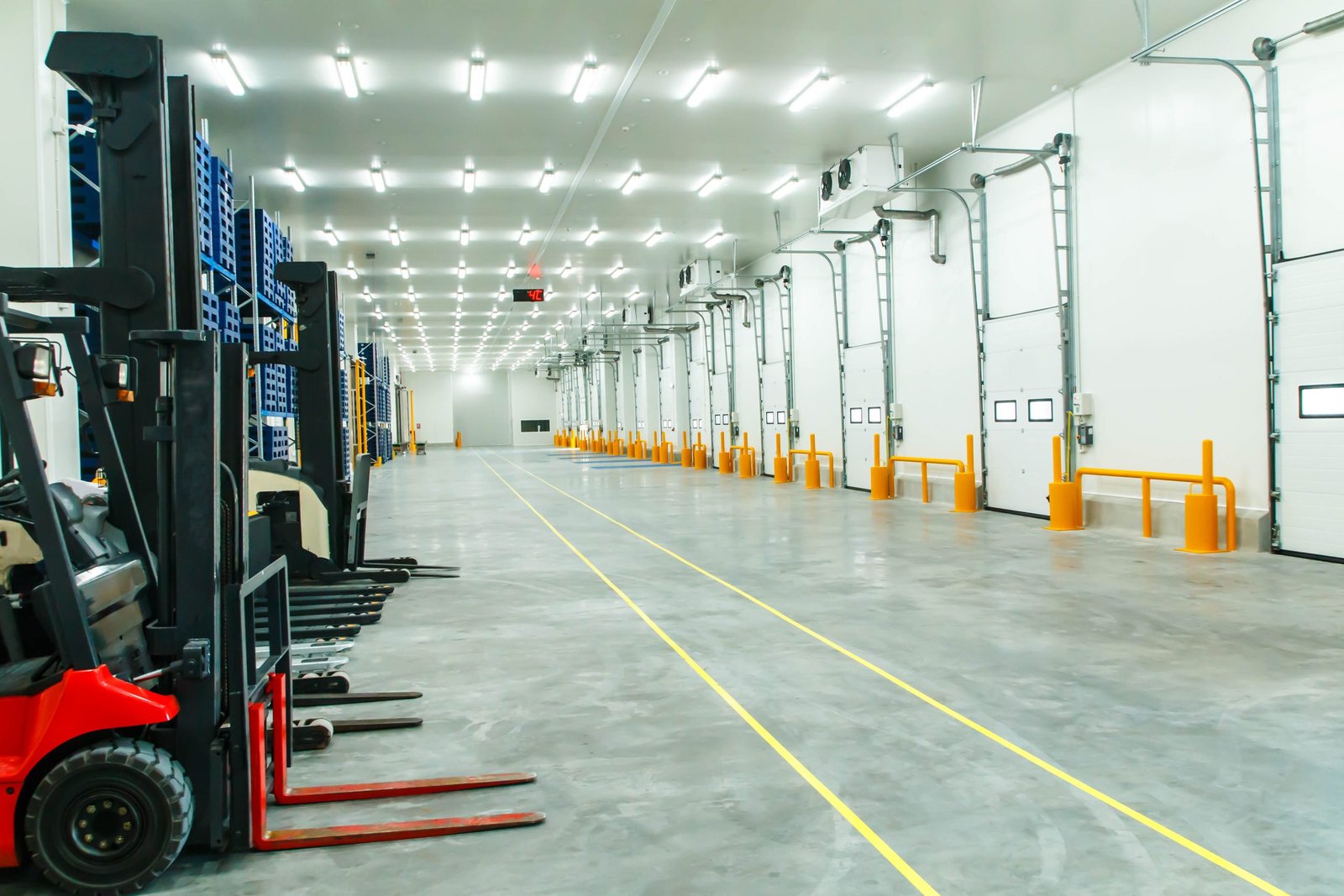
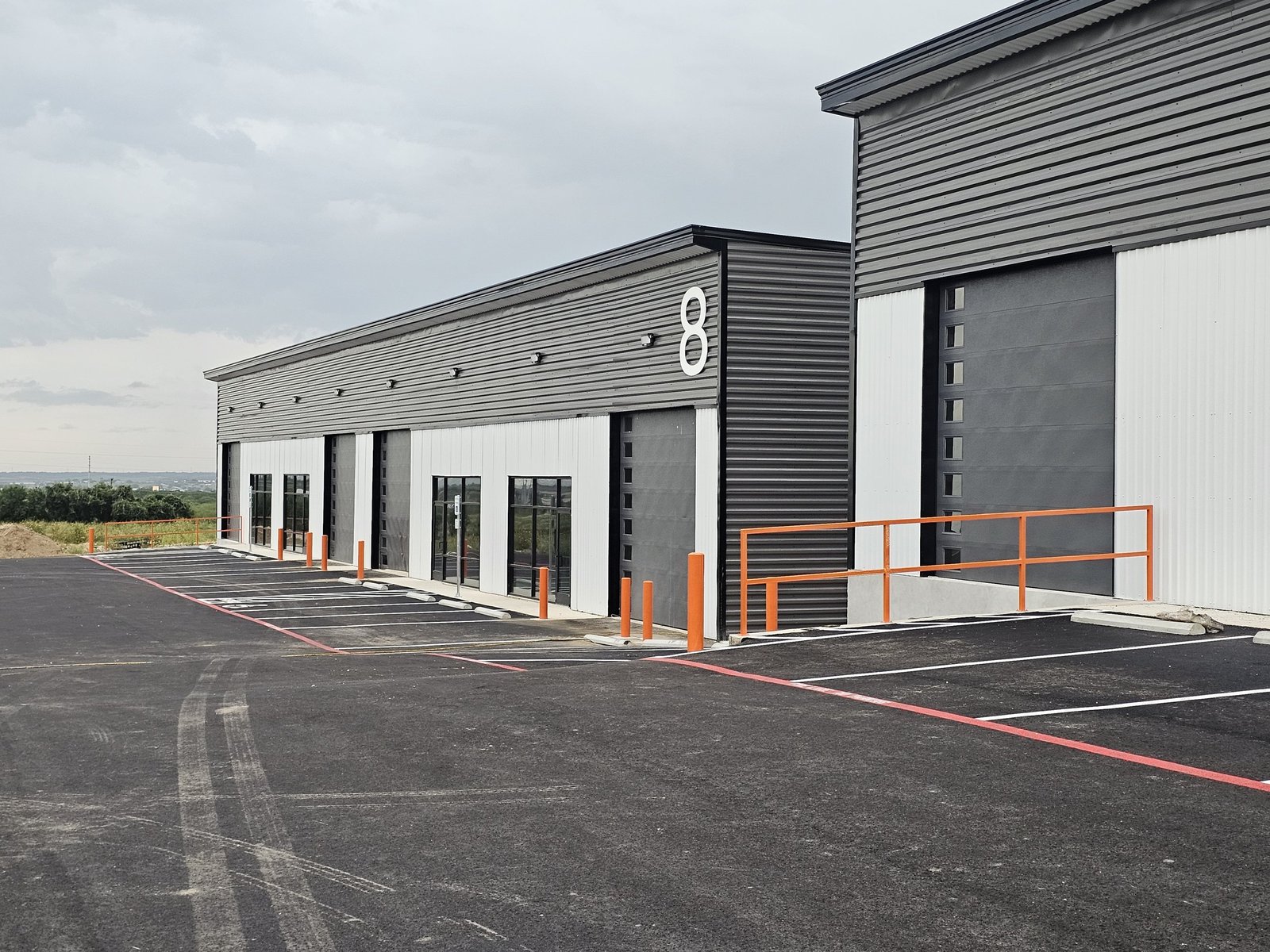
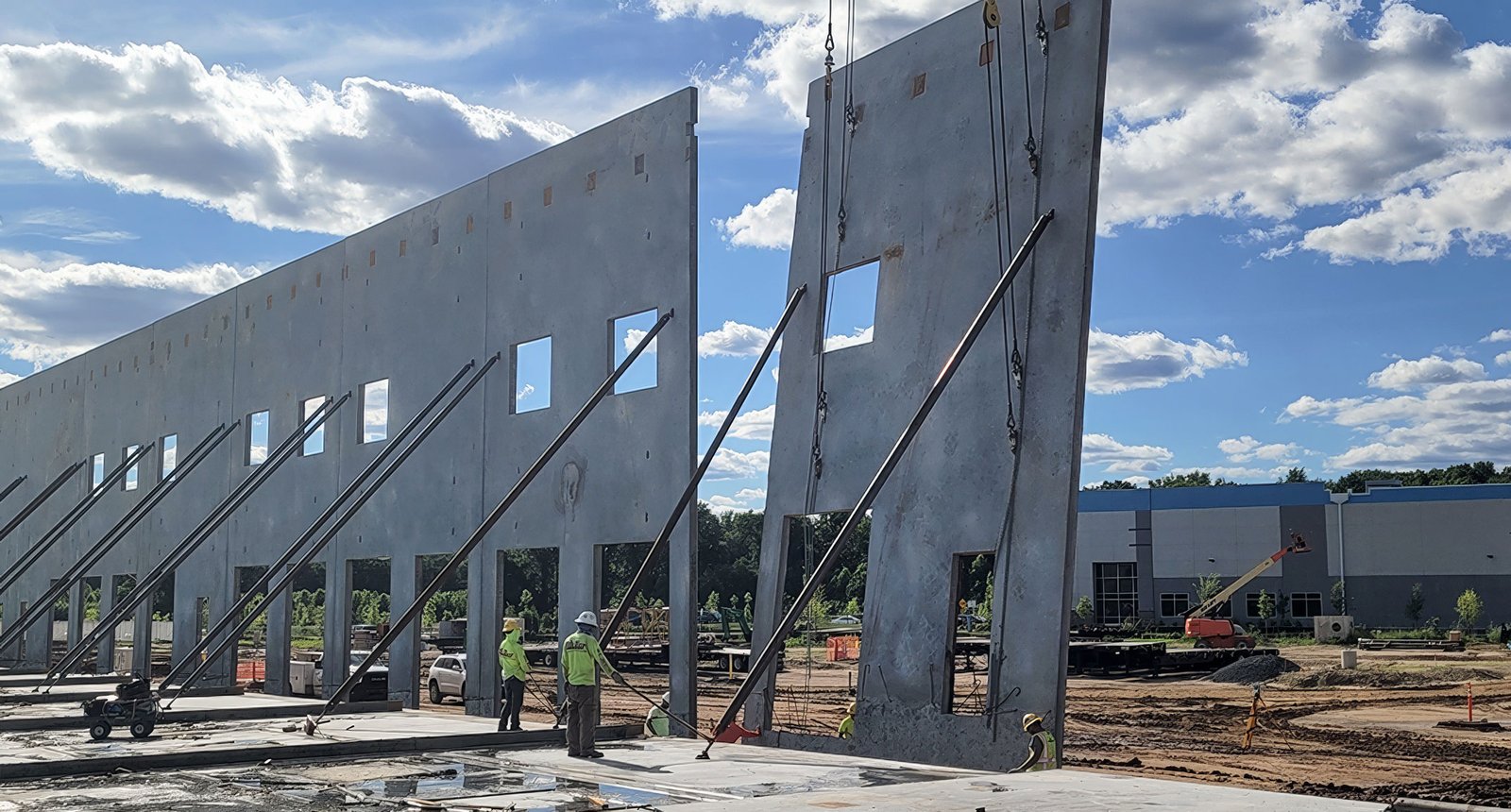
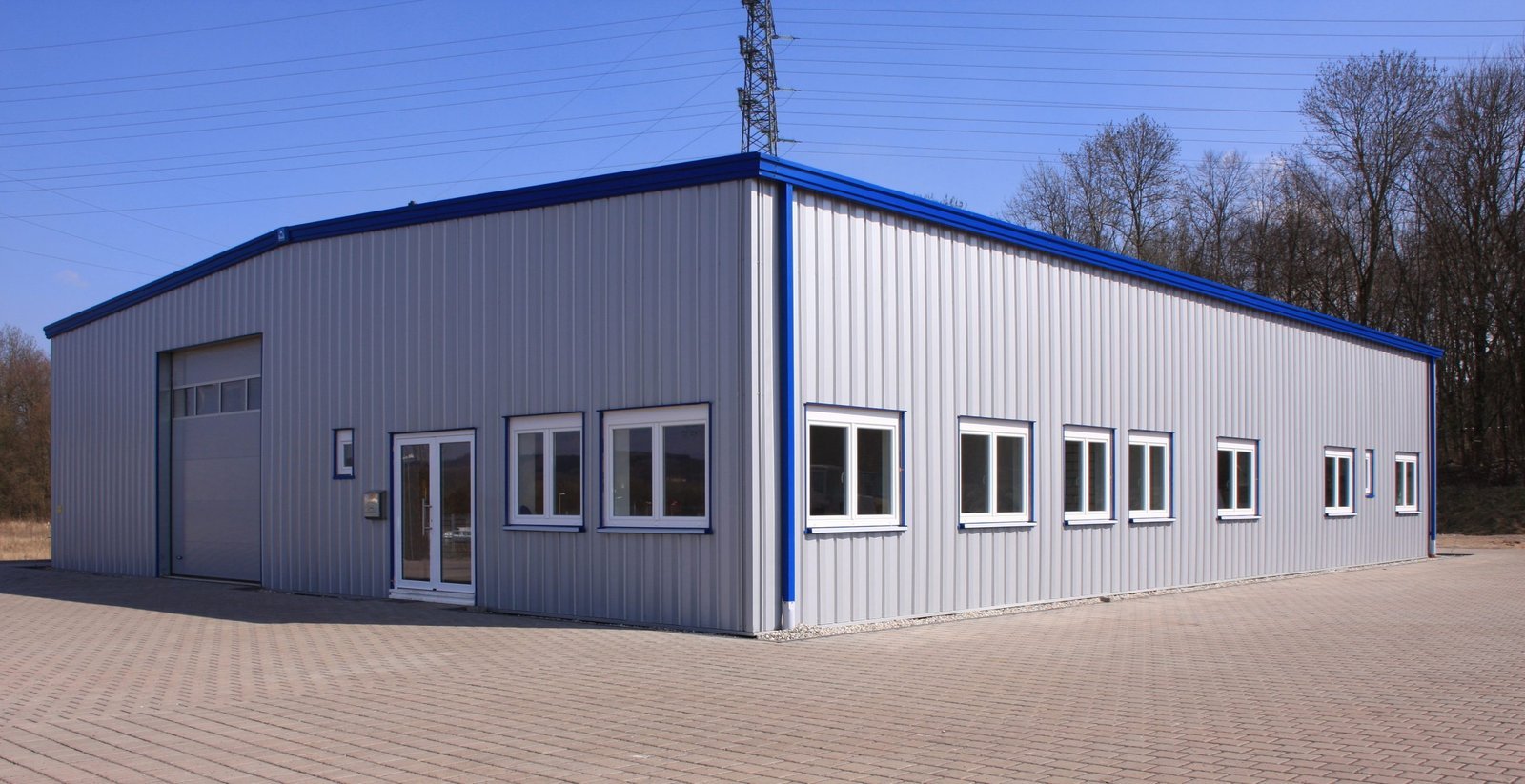
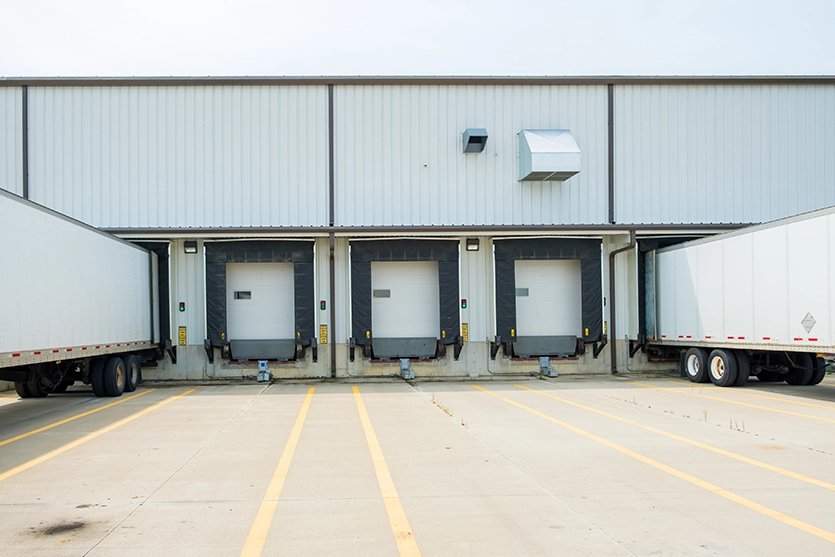
The freight side of the economy is just as active. The I-25 and I-80 interchange sits at the center of the map, and the business parks around it, including Cheyenne Business Parkway, North Range, Campstool and the rail-served Cheyenne Logistics Hub, are all set up for warehouse, distribution and light manufacturing buildings. Owners in those parks want tall clear heights, durable slabs and fast schedules, and many of them choose pre-engineered metal buildings or tilt-wall shells because the structure can go up quickly once the foundations are in.
Our concrete, steel, site and utility scopes line up with that work. We build foundations and floors designed for racking and forklifts, truck courts and dock aprons, parking, stormwater and the utility extensions that connect a lot to the street.
Who gets through the gate
F.E. Warren Air Force Base sits about three miles west of the city and is home to the 90th Missile Wing. The Sentinel modernization program is expected to bring roughly $2.6 billion in construction spending to southeast Wyoming, with peak construction expected to bring 2,000 to 5,000 people to the area. Work on the installation is tightly controlled, so our approach at F.E. Warren Air Force Base and its neighbors starts with the rules: access procedures, submittal requirements and security conditions.
Where the contract structure allows, we work as a subcontractor to prime contractors on the installation. Off base, we build the offices, light industrial space, lodging and utilities that program contractors and a growing workforce need. We do not promise what the contracting process does not allow, and we plan around gate hours, vehicle inspections and escort requirements from the first day.
Wind, frost and the calendar
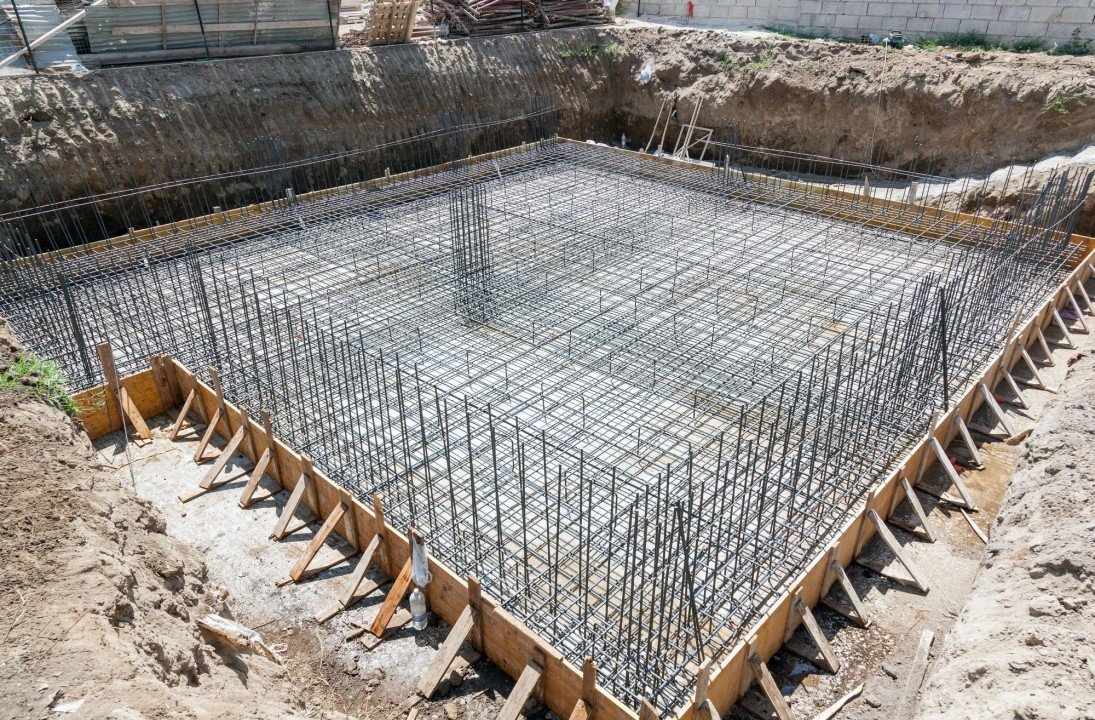
Cheyenne sits at about 6,086 feet, and the weather is part of the schedule. Wind is steady and sometimes severe, which affects crane picks, panel tilt-ups, roofing and temporary enclosures. Frost sets footing depth and limits when concrete and masonry can be placed without protection. Snow shortens the working window and adds load to every roof we frame.
We handle those factors with plain planning. We put weather allowances in the schedule instead of treating them as exceptions, set wind limits for lifts before the crane arrives, price winter protection when placements fall in cold months and keep subgrades from freezing before slabs are poured. The aim is a schedule that survives a bad week.
The same practical attitude applies to buildings that must stay in use. Hospitals, schools, offices and airport facilities in the area do not stop operating for a renovation, so we sequence work, protect occupants and communicate planned interruptions in advance.
Other buildings we deliver
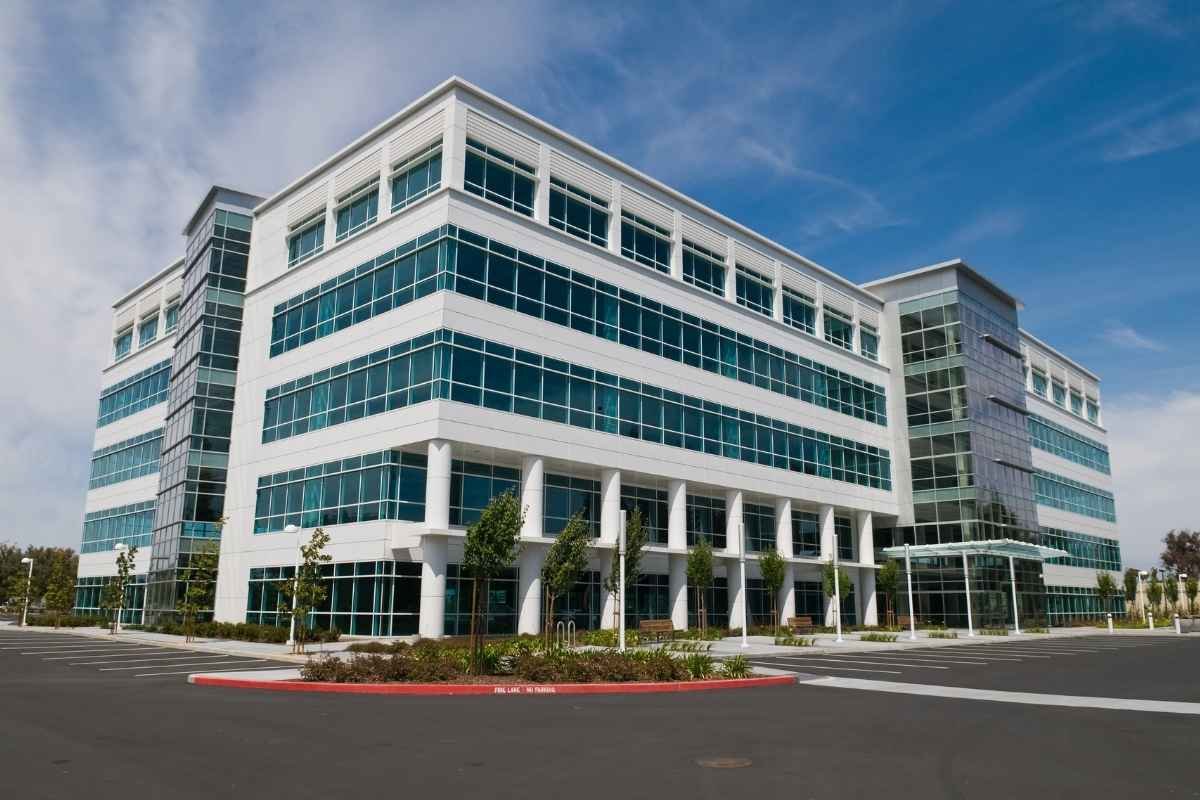
Our range extends beyond the headlines. We build office buildings, medical offices, retail centers, restaurants, hotels, self-storage, multifamily, senior living and parking structures. We also handle tenant improvements, renovations and demolition. Cheyenne Regional Airport, one mile north of downtown at 6,160 feet, is a good example of why range matters. Its 9,270 foot runway handles aircraft from small pistons to the transports operated by the Air National Guard, and owners there ask for aircraft hangars sized for real airplanes, with door spans, roof framing and slabs designed together.
Medical and education work centers on institutions such as Cheyenne Regional Medical Center, Laramie County Community College and the school districts, while retail follows Dell Range Boulevard and downtown. Laramie, Wheatland, Pine Bluffs, Burns and the small interstate towns east of Cheyenne are all inside our service area, and we plan crew travel and deliveries to match the distance.
How to work with us
Send us the site, the program and the date that matters. We will respond with questions first, because the answers shape the price: who the owner is, how the project is funded, which approvals are needed, whether any part of the site is near the base or in a business park with design standards, and what the building has to do for the people inside. From there we provide an early budget, a schedule that accounts for the season and a clear list of what we need from you.
We deliver projects through design-build, construction management or conventional bid-build, depending on what suits the owner, and we are direct about the tradeoffs. After construction we assemble closeout documents, commission systems and stay through the punch list.