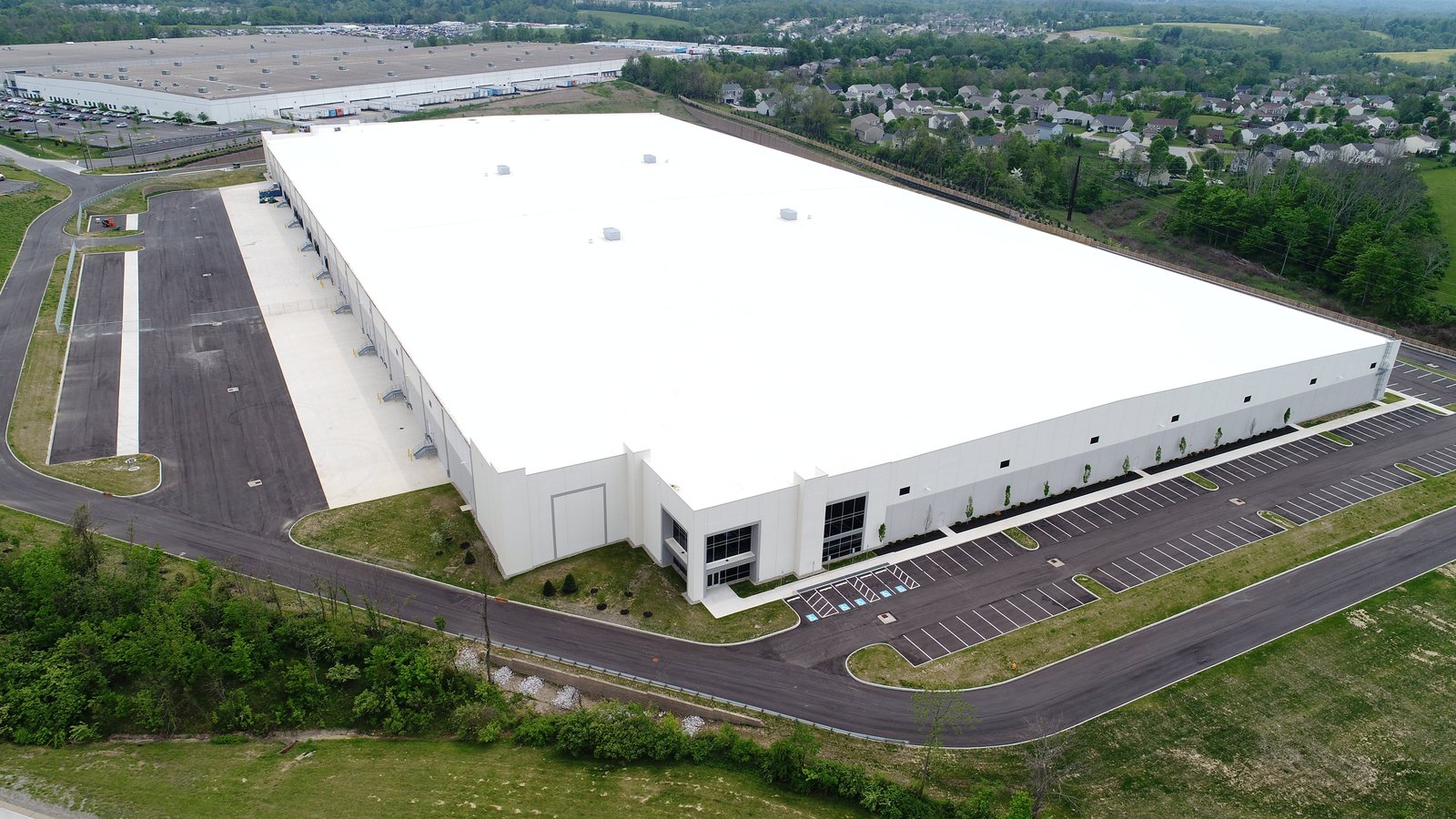
Truck Terminals and Cross-Docks in Cheyenne, Wyoming
Truck terminal and cross-dock construction in Cheyenne: I-25 and I-80 sites, rigid apron paving, drainage, access permits and winter-ready yards.
Heavy trucks account for 17 percent of the crashes at the I-25 and I-80 interchange in Cheyenne, against about 4 percent at other interchanges nationally, according to reporting on the state's interchange plan, and the interchange recorded 160 collisions between 2018 and mid-2024. A freight terminal here is therefore built next to the busiest, most scrutinized truck junction in the region. It also sits where a lot of freight changes direction, which is exactly why carriers locate cross-docks in Cheyenne. We build truck terminals and cross-docks for operators who need trailers to move through the building quickly and safely, and who need the yard to survive thousands of heavy axle passes in a climate that freezes and thaws all winter.
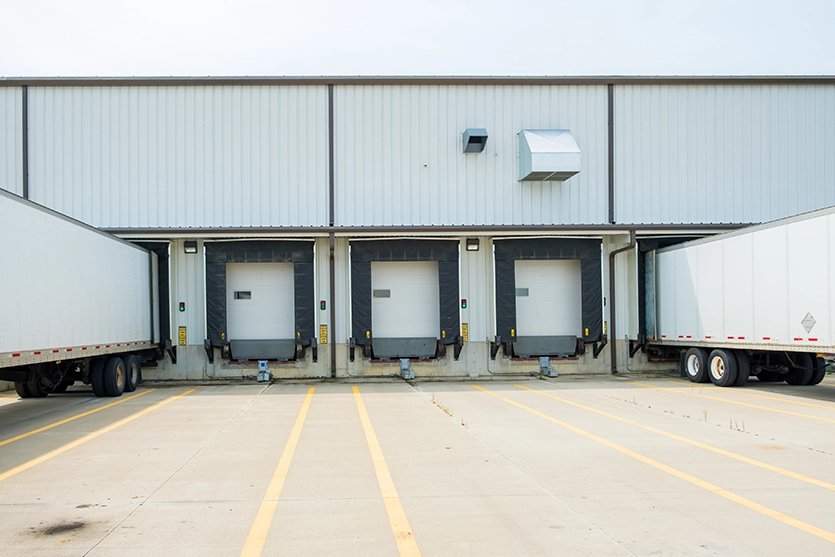
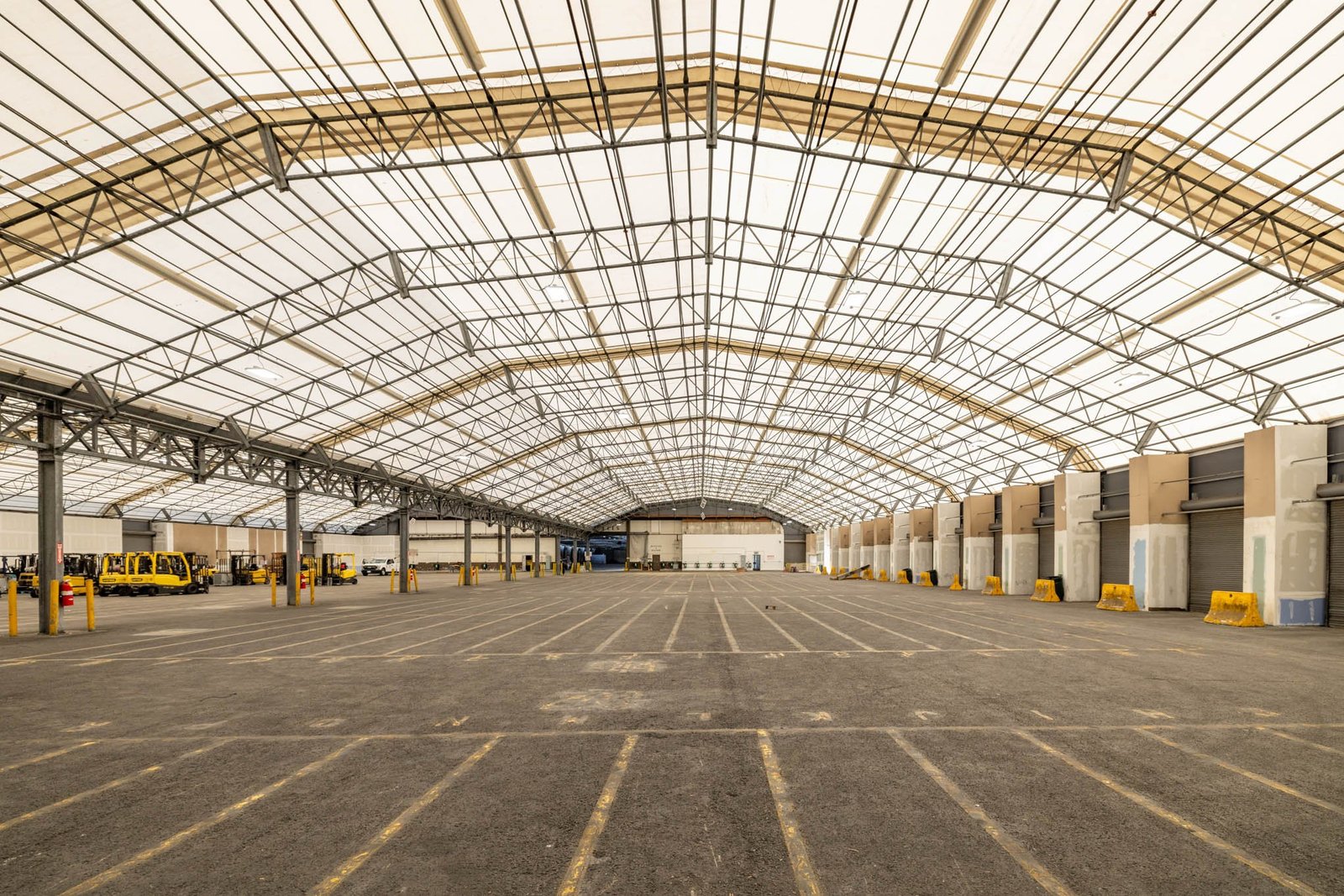
A cross-dock is a narrow, long building with doors on both sides. Freight arrives on one side, moves across the floor and leaves from the other, often within hours. That design makes the building less about storage and more about geometry: door spacing, apron depth, trailer maneuvering and flow lanes. A terminal, by contrast, adds maintenance bays, a driver facility and fuel or parking for tractors. We help operators sort out which pieces they need and which they can rent or defer.
The yard is the building
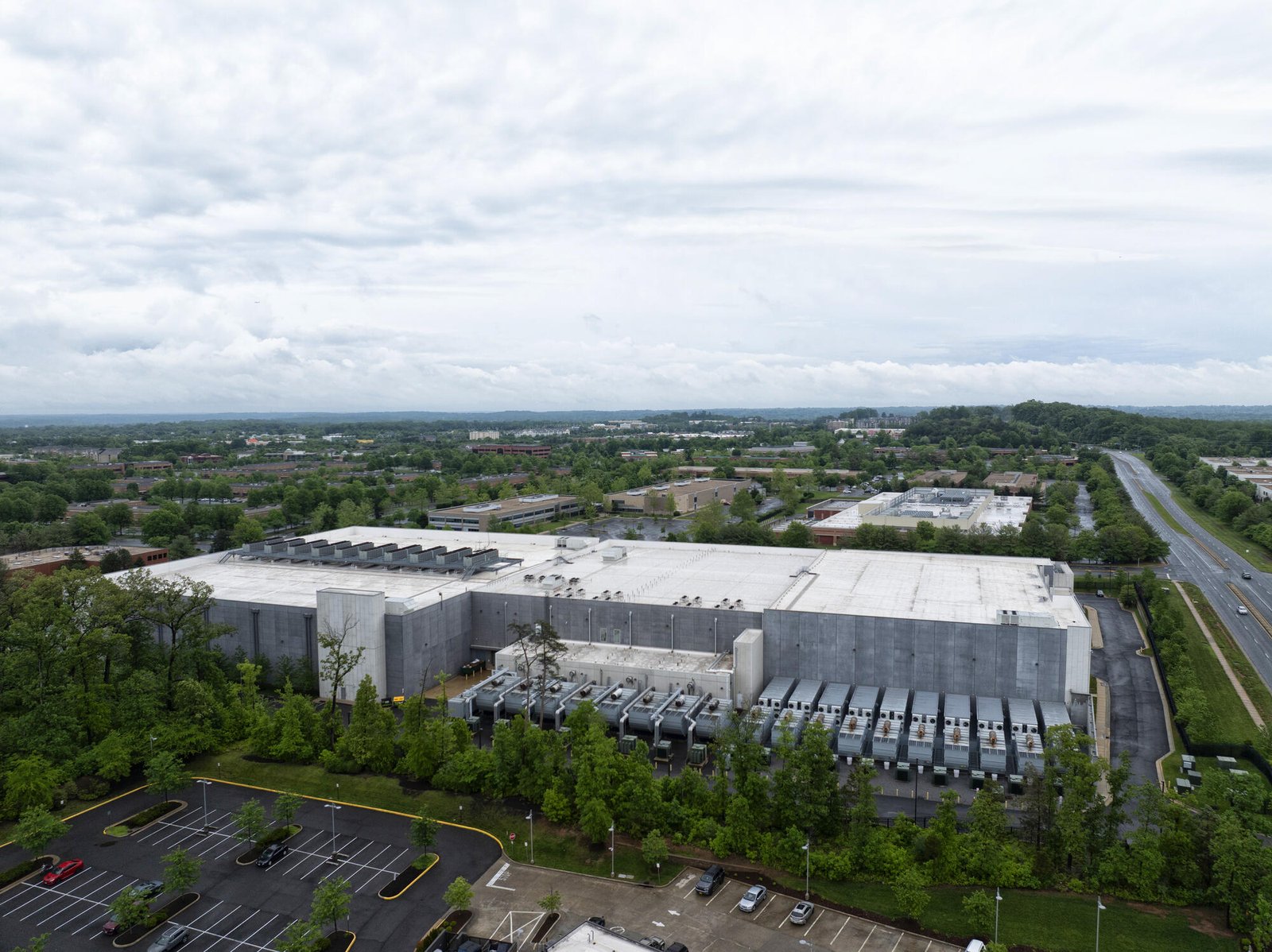
In a cross-dock, the yard is where most of the money and most of the risk sit. Trailers park on the apron with landing gear that concentrates heavy loads on small pads, and tractors turn tightly under load. The apron therefore has to be rigid pavement with thick, reinforced concrete and well-placed joints, while the approach lanes and parking areas can be a different section. The state's own interim work on I-80 between mile markers 358 and 368 replaced concrete pavement with asphalt, which is a reminder that the right surface depends on the load and the maintenance plan.
Drainage and snow handling shape the layout too. Meltwater from stored snow must not flow across the apron and refreeze at the dock faces, so grades are set to move water to inlets before it reaches the doors. Snow storage areas are planned on site, and light poles and fencing are placed so plows can clear every corner. These details look small on a drawing and feel large to a driver on an icy morning.
Why freight turns at Cheyenne
Cheyenne is served by I-25, I-80, US 30, US 85 and US 87, and I-180 acts as a bypass, so freight moving in four directions can be transferred here. Union Pacific and BNSF both operate railyards in the city, and the Cheyenne Logistics Hub adds transloading and rail car storage. For terminal operators, the I-25 and I-80 interchange is the central location, though also a challenge, since the state's estimate to replace the 1960s cloverleaf is about $500 million, with at least six years of phased construction.
Sites along I-80 are the obvious choices. Campstool Business Park has direct access at I-80 exit 367 and sits alongside the Lowe's distribution center and Sierra Trading Post, and Cheyenne LEADS notes its land is annexed, platted and zoned Community Business. Operators should confirm that a truck terminal is a permitted use there. Logistics operators often need to compare the site against industrial-zoned parcels in other parks before deciding.
Permits, stormwater and the state highway
A truck terminal triggers several reviews. Zoning confirms the use. A driveway permit or access approval is needed if the site fronts a state highway, and a traffic study may be requested to show how trucks enter and leave. Stormwater permits cover both construction and operation, and a terminal that stores fuel or washes equipment will need spill prevention measures. Our permitting and entitlements work begins with a list of agencies and the order in which they must act.
Building code applies to the shop and the office. Laramie County adopted the 2024 International Building Code with amendments effective January 1, 2025, and the 2024 International Fire Code effective April 15, 2025. Inside the City of Cheyenne, the adopted edition should be confirmed with the building department. A maintenance bay with vehicle repair, hot work or fuel dispensing falls under different fire code requirements than a freight floor, and we classify each area early so the design reflects it.
What we build at a terminal
The scope usually includes the dock building, the concrete apron, the approach and parking areas, perimeter fencing and gates, lighting, stormwater facilities and utilities. Optional parts include a maintenance shop with vehicle lifts and oil-water separation, a fuel island, a driver lounge and a dispatch office. Our stormwater and drainage design is part of the layout from the first sketch, since the yard's grades determine the dock slab elevation.
The dock building itself is typically steel framed, often as a pre-engineered metal building with a clear span and repeated door bays, or a smaller logistics fulfillment center if sorting and storage are included. Doors are spaced to match trailer widths, and levelers, bumpers and lights are installed to match the tenant's equipment. We leave room in the structure and the apron for added doors if volume grows.
Paving and concrete done properly
Heavy concrete work is where terminals are won or lost, so it is central to what we do. Our truck court and dock apron trade partners prepare the subgrade, place reinforcement and dowels, pour and finish the slab and cut joints on schedule. We pay attention to subgrade quality, because frost-susceptible soils under a heavy pavement can heave in winter and settle in spring.
Joint layout is planned with the trailer paths, not left to the pour. Joints in the wheel path of loaded trailers fail first, and landing gear pads near dock doors need extra thickness or reinforcement. We require careful curing in cold or windy weather and joints sealed against water and de-icers, because a single winter without sealant can damage an apron that was built well.
Plan a terminal or cross-dock
Tell us your door count, trailer mix and site options. We will test the yard layout, price the apron and walk you through the permit list.
Common Questions
Why are so many freight terminals located around the I-25 and I-80 interchange?
Because freight moving in four directions meets there. I-25 runs north and south, I-80 runs east and west, and US 30, US 85 and US 87 add regional routes. The trade-off is congestion and safety, as the interchange's crash record shows, so we plan truck routes in and out of your site with those conditions in mind.
Is concrete or asphalt better for a truck yard?
For dock aprons and trailer parking where landing gear sits, concrete is the standard. Asphalt may be fine for approach lanes and employee parking when the budget is limited. The right mix depends on traffic counts, maintenance plans and soil. We price both sections and show you the long-term cost.
How deep should the apron be at the dock doors?
The apron has to be deep enough for the longest trailer you expect to maneuver, plus a turning path for the tractor. For many terminals that means 130 feet or more. We test the layout with truck-turning templates before finalizing the building location, since moving a building later is expensive.
Will the I-25 and I-80 interchange rebuild affect my site?
Probably, if you are close to it. The state estimate is about $500 million, with design possibly running to 2027 and construction taking at least six years in phases. Expect detours, ramp closures and delivery constraints. We coordinate with the state and plan material deliveries and crane lifts around announced work.
What permits are unique to a truck terminal?
Beyond the building permit, expect zoning confirmation, access approval from the highway authority where applicable, stormwater permits and review of any fuel storage or vehicle washing. Fire code plans differ for the maintenance bay. We build a permit matrix at the start and manage each submittal in order.