General Contractor at Cheyenne Business Parkway
Tilt-wall, steel, flex and fulfillment buildings on Cheyenne Business Parkway parcels under 15 acres, from the test fit to truck courts and occupancy.
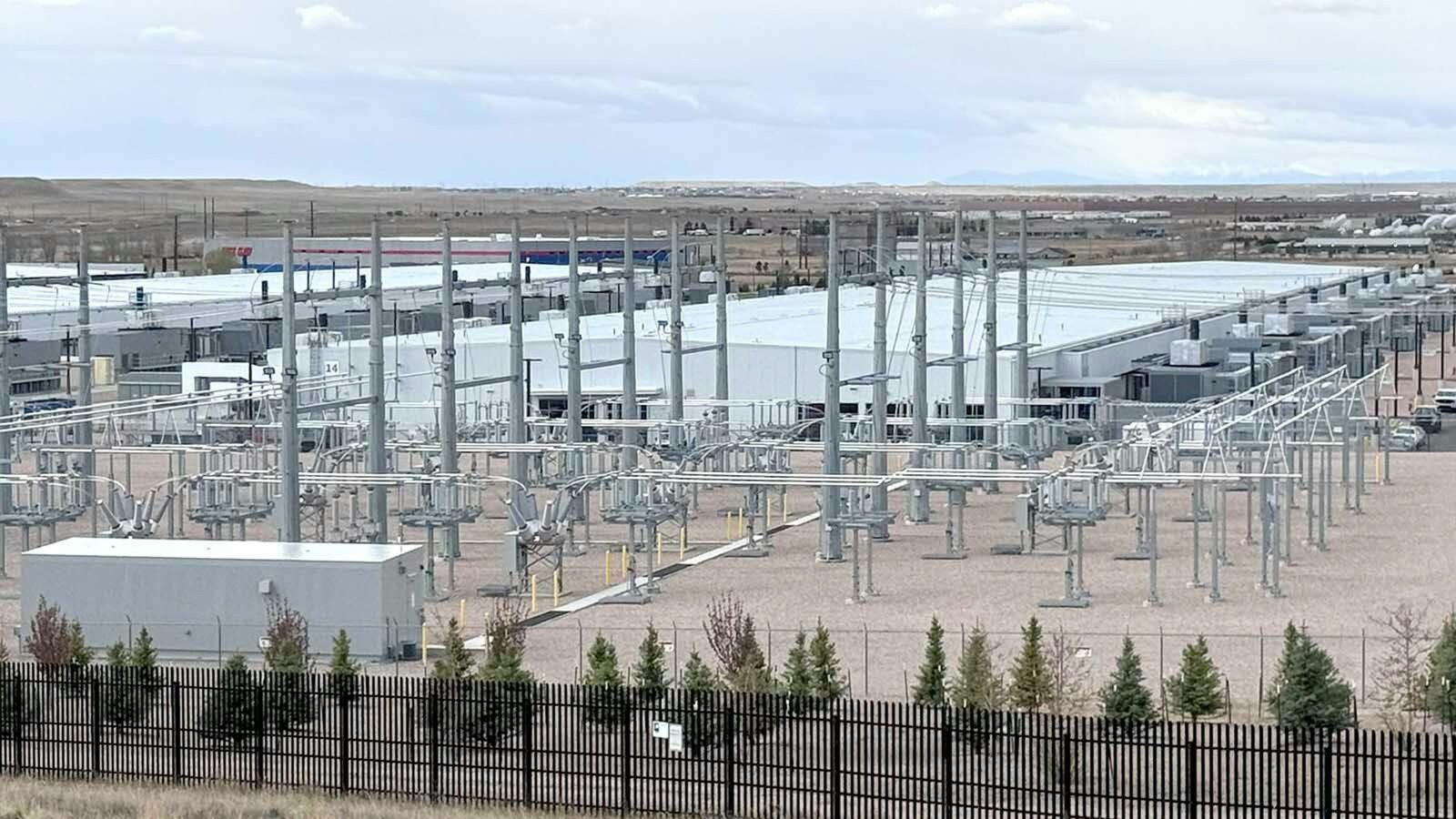
Parcels under 15 acres are the point of Cheyenne Business Parkway. Of the park's 900 acres inside city limits, Cheyenne LEADS lists 60 acres still available, and every remaining parcel is under 15 acres, which suits the owner who wants a moderate-size building of their own rather than a corner of a mega-campus. We build those buildings: tilt-wall and steel shells, offices and light assembly space, fulfillment buildings and small distribution facilities.
Because the parcels are small, the building has to work harder. Truck courts, trailer parking, stormwater and fire access all compete for a limited footprint, and the best layout is rarely the first one on the site plan. We bring our estimators and superintendents into the site test fit, before the owner buys, so the price of the lot and the price of the building can be read together.
The park is inside city limits and east of central Cheyenne, with the utilities already in place. That removes some of the uncertainty a raw-land project has, and it moves attention to the parts of the work where a general contractor earns trust: sequencing, coordination with the park and city, and finishing on the date promised.
Starting from the test fit
Our process on a Business Parkway lot begins with a one-page feasibility check: building footprint, dock count, truck turning, trailer stalls, parking, stormwater, setbacks and fire lane. We draw the options at the same scale as the parcel and put rough numbers next to each. Owners often discover that moving a dock wall by thirty feet or switching from a rear-load to a cross-dock scheme changes the whole site.
Once the layout is settled we move to a guaranteed maximum price or a lump sum, depending on how complete the documents are, and we release long-lead items early. For a business that is relocating or consolidating, we can run the shell and the interior fit-out as one contract so the move-in date is one date, not two. Flex and light industrial construction is where most of this park's work lives, and the process above is how we run it.
Slabs, courts and dock aprons
The hardest-working surfaces in a logistics building are the floor and the truck court. A warehouse slab has to meet flatness and levelness targets so racking and lift trucks perform, and the concrete apron outside the docks takes repeated heavy axle loads. We treat both as engineered products: subgrade preparation and proof-rolling, reinforcement placement, joint layout and curing are controlled and documented.
We schedule and inspect the earthwork and the concrete flatwork, so the sequence from subgrade to final pour stays inside one team's plan. Details such as dock-leveler pits, trailer-drop pads and bollard footings are poured and coordinated with the building shell rather than added later. See our truck courts and dock aprons service for how we design for the loads and for snow storage along the edges.
Buildings that suit the park
The tenant list at the park shows its range: Cheyenne LEADS names a regional distribution center, a satellite uplink center, a fulfillment and catalog headquarters, a firefighters' training facility and several manufacturers and technology users. Together they describe a park that handles distribution, light manufacturing, data-adjacent and training uses on one street grid.
For owners following that pattern, the typical buildings are distribution centers sized to a small parcel, light assembly and manufacturing shells, service and flex buildings with office frontage, and secure data or communications facilities. Each has its own power, cooling and structural needs, and operators in logistics and distribution in particular benefit from a contractor who has built that building before and knows the right subcontractors.
Permits, rail and the road to the park
The park is reached from Interstates 80 and 25 and arterial routes, which means a heavy-haul route that is already established, and building permits fall under the City of Cheyenne because the park is inside city limits. Wyoming leaves code adoption to local jurisdictions, and Cheyenne's own adoption package was before its governing body in early 2025, so we confirm the current editions at the start of each job and record them on the code study sheets.
One more fact is worth planning around. Cheyenne LEADS lists the park as not rail served, and the only rail-served park it lists in Cheyenne is the Logistics Hub. A tenant that needs rail should look at the Cheyenne Logistics Hub, while a tenant that ships by truck can take advantage of the park's utilities and interstate access. We help owners make that call on facts rather than assumptions.
What shapes the budget on a small park parcel
With utilities in the street, budget swings come from the building system and the site layout. Tilt-wall versus a steel frame, clear height, number of docks, the amount of office finish and the weight of the truck court slab are the largest levers, and each can be priced as an alternate before the owner commits. Stormwater detention on a small parcel is another line that is easy to underestimate.
Power is the other item. Cowboy State Daily reported in July 2024 that Microsoft had expanded into the area south of I-80 near Campstool Road and the Burlington Trail, and a busy utility corridor can affect lead times for transformers and service upgrades. We ask the utility for the schedule early and put it in the project plan. Owners comparing nearby options can read about North Range Business Park and Campstool Business Park for how they differ.
Test-fit a Business Parkway lot
Send us the parcel and your building program. We will draw two or three layouts at scale, price them side by side and recommend the one that works.
Common Questions
Is the Business Parkway rail served?
No. Cheyenne LEADS lists Cheyenne Business Parkway as not rail served and names the Cheyenne Logistics Hub as the rail-served park in Cheyenne. If your operation moves freight by rail, that is the better location. If it relies on trucks, the interstate access and in-place utilities are the advantage.
Which utilities are already at the park?
Cheyenne LEADS says high-volume natural gas, electricity and redundant fiber optic telecommunications are in place. We still confirm capacity, meter size and service dates for your specific load before we price.
How much land is left, and how big can a building be?
Cheyenne LEADS lists 60 acres available in parcels under 15 acres each. That generally supports a single-tenant building of moderate size with its truck court, though the right scale depends on parking, stormwater and fire access, which we test on the parcel.
Do you build the shell and the interior together?
Yes. We can run the shell, the site and the interior fit-out under one contract, which gives you one schedule and one point of accountability. That works well for a company relocating from another building.
What is the hardest part of a small-parcel logistics building?
Fitting trucks, trailers, fire lanes and stormwater onto the site without compromising the building. We solve that with a drawn test fit before the owner buys, comparing dock layouts and circulation.