Truck Courts and Dock Aprons in Cheyenne
Truck courts, dock aprons and trailer parking in Cheyenne: concrete and asphalt pavement, dolly pads, dock pits and drainage for I-80 and I-25 freight users.
According to 2024 reporting on WYDOT's plan to rebuild the I-25 and I-80 interchange, heavy trucks account for 17 percent of the crashes there, against about 4 percent at other interchanges nationally. Freight is the reason Cheyenne has distribution buildings, and it is also the reason the pavement around them takes a beating. The truck court is where trailers back, brake, turn and sit under load, and it wears faster than almost any other part of a site.
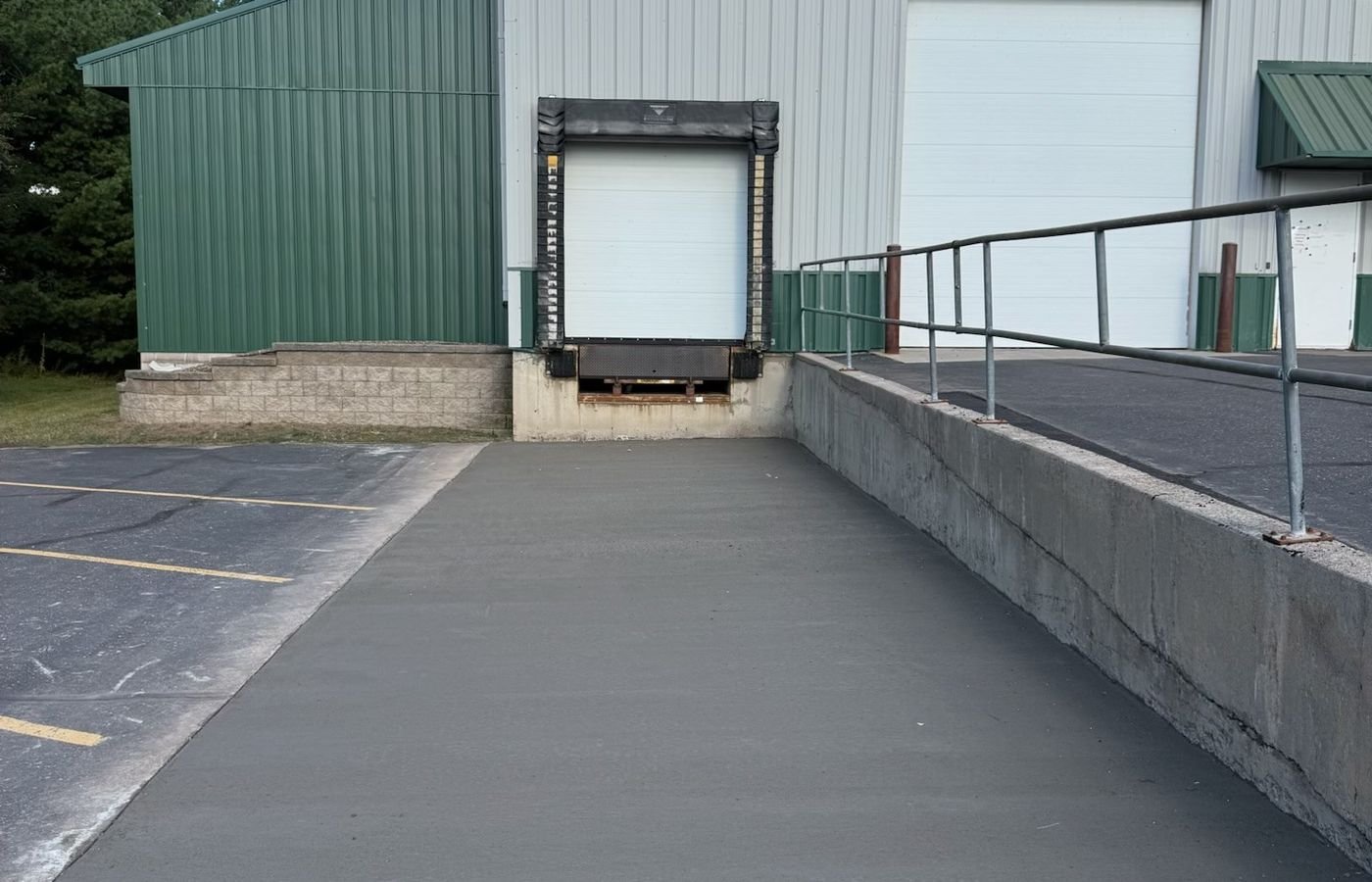
We build the paving that serves loading buildings: reinforced concrete dock aprons, dolly pads under trailer landing gear, truck lanes, trailer stalls, drive aisles and the transitions to public roads. We also build the dock pits and leveler foundations that the slab, the door and the leveler share. A dock is a coordinated system, not a collection of parts, and it works only if every part is built to the same dimensions.
In this climate, a truck court also has to handle snow, ice, wind-blown sand and freeze-thaw cycles. Drainage is as important as thickness. A surface that holds water at the doors will ice over in winter and wreck joints in spring, so we plan the slopes before the first form is set.
Why Cheyenne freight users build for punishment
The city sits where I-25 meets I-80, and its logistics parks are tied to both highways. The Cheyenne Logistics Hub covers about 2,000 acres southwest of the city with access to BNSF, Union Pacific, I-80 and I-25, while the North Range Business Park, home to Walmart's automated distribution center, has its own interchange onto I-80. Trailers arrive around the clock from every direction, and the courts they use have to take it.
Pavement choices have been in the news. Reporting on the project noted that interim I-80 work between mile markers 358 and 368 replaced concrete pavement with asphalt, and that WYDOT's estimate to replace the 1960s cloverleaf interchange has risen to about $500 million, with construction expected to take at least six years in phases. Owners nearby should expect construction traffic, detours and changing access, which affects how we schedule deliveries to the I-25 and I-80 interchange area.
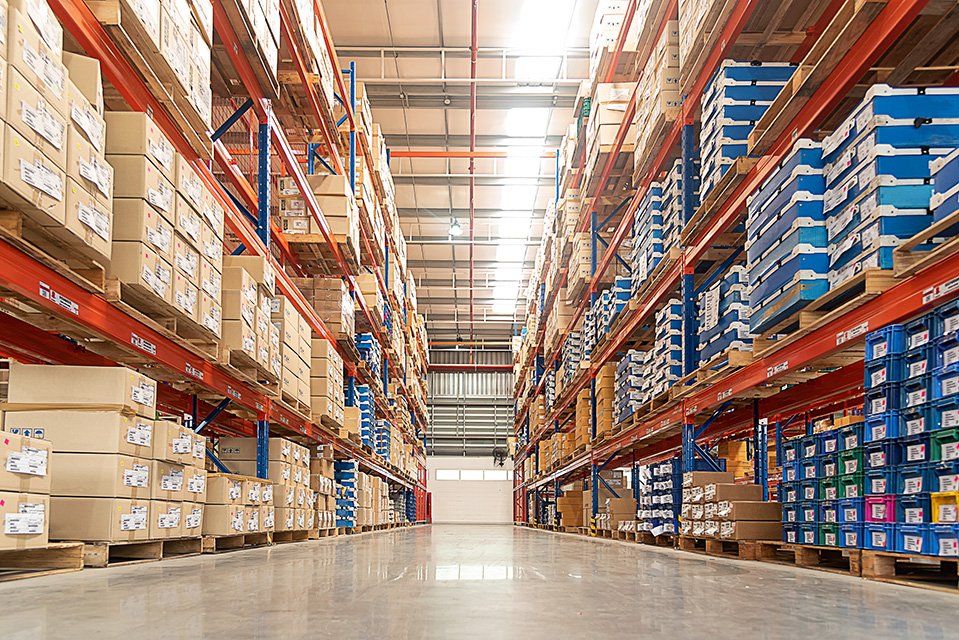
Buildings these courts serve
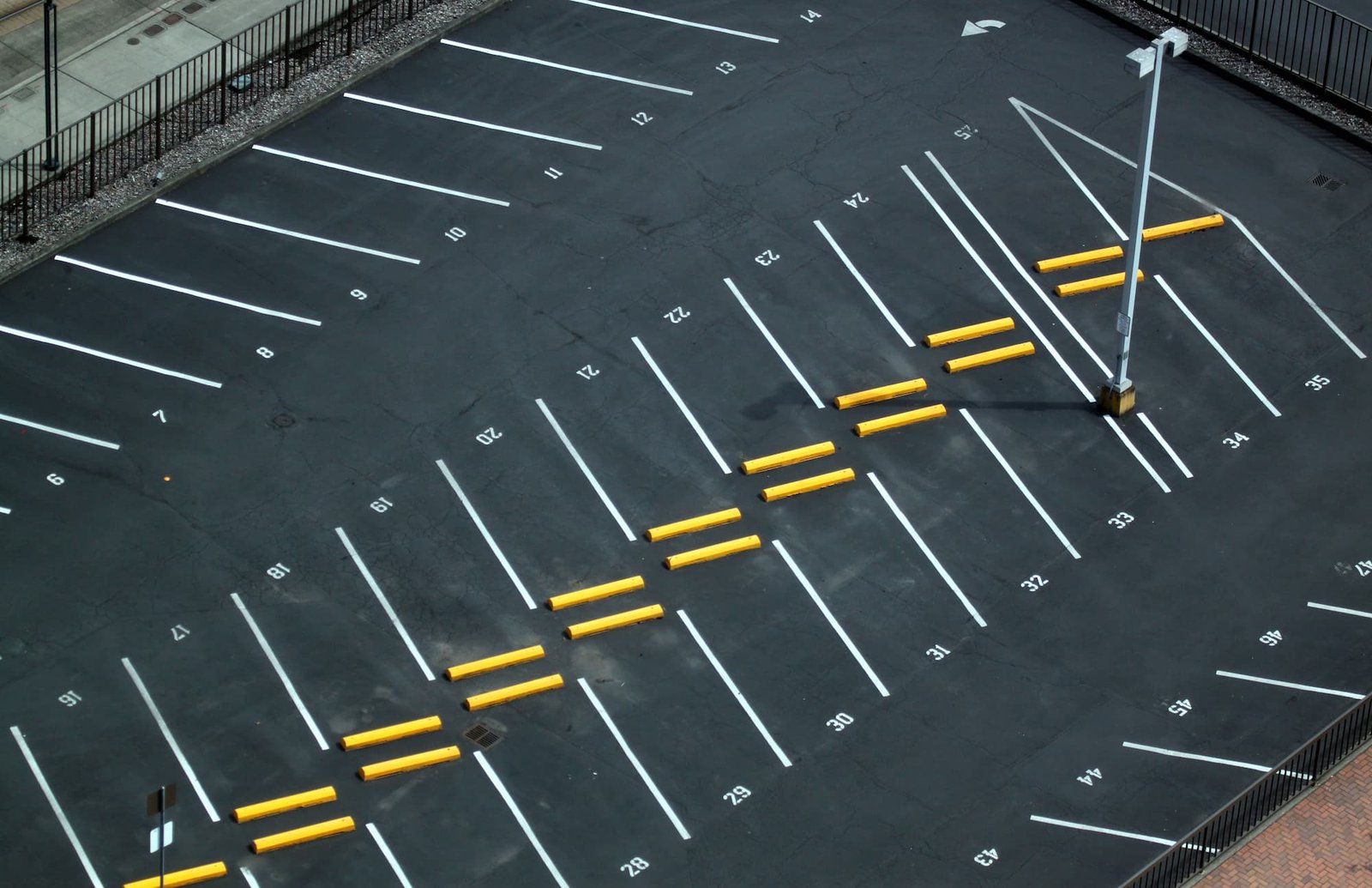
Cross-dock terminals need the most punishing courts, with tight stall spacing, constant turning and high door counts. Our work on the truck terminal and cross-dock type focuses on thick, doweled concrete, strong joints and enough room for trailers to stage without blocking circulation. A good cross-dock court allows trucks to leave a door and a driveway without a three-point turn.
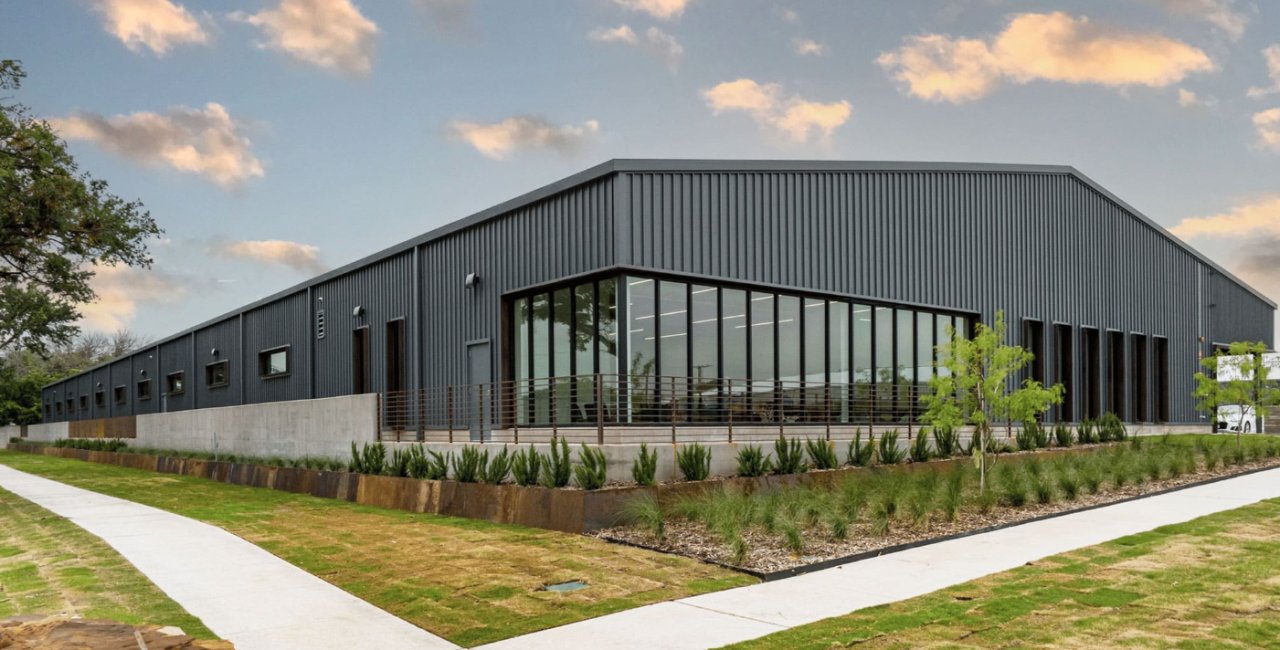
Distribution centers, warehouses and manufacturing plants follow similar rules with different volumes. For a shell building, distribution center construction pairs the apron with the slab and the dock package, so one set of elevations drives the whole job. We coordinate the apron with the commercial concrete floors scope so joints line up and the dock leveler pits stay square.
What we build and how
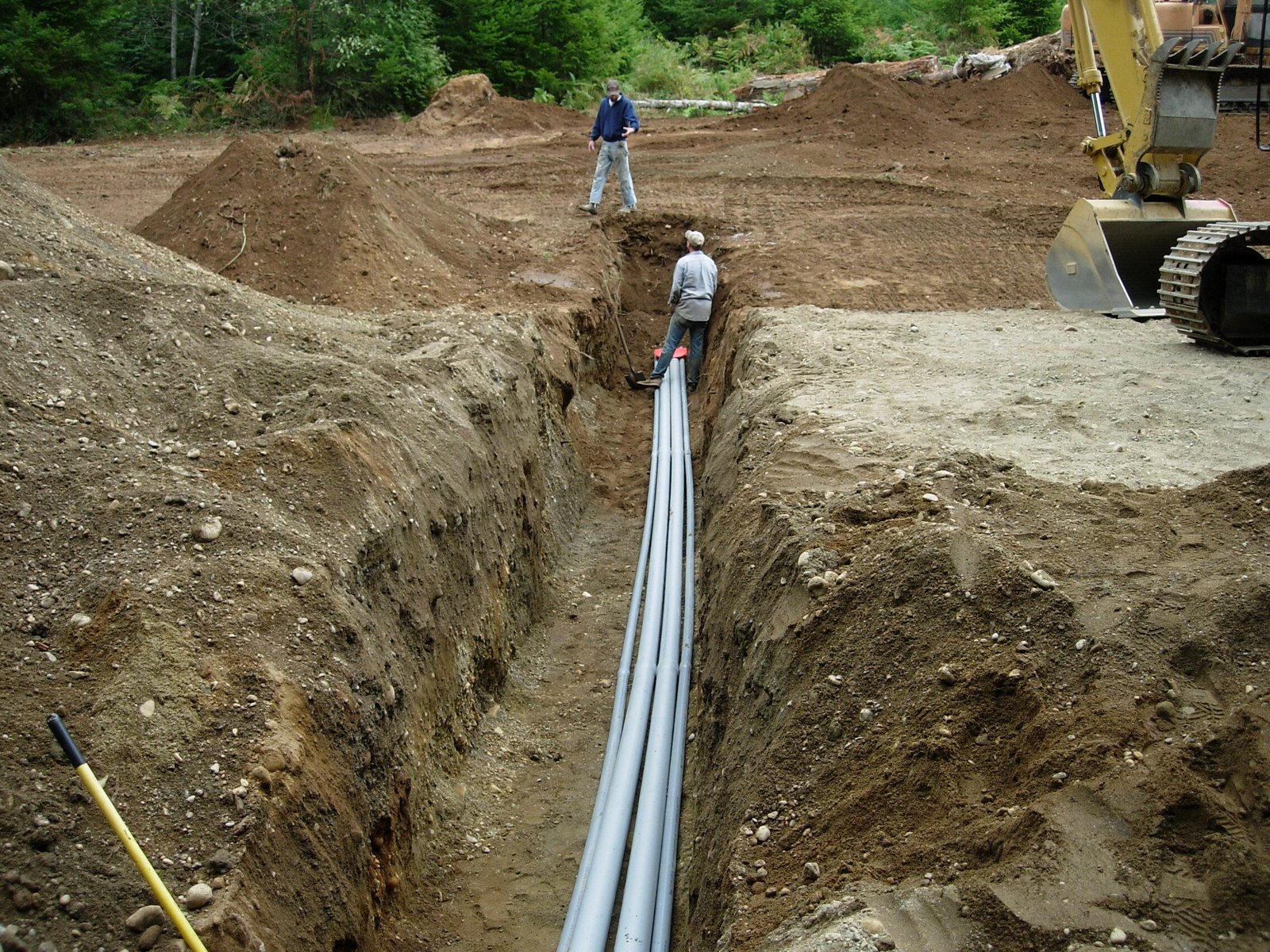
Subgrade is prepared with proof-rolling and compaction, because a soft spot under a landing gear pad becomes a crater within a season. A granular base follows, then reinforced concrete placed in panels with dowels at the construction joints. Dock aprons slope away from the building, and trench drains or catch basins collect meltwater at the doors. Bollards, wheel guards and striping are installed at the end.
Trailer parking and drive lanes may be concrete or asphalt depending on the traffic mix and the budget. We explain the tradeoffs and often recommend concrete at the aprons and turning areas, with asphalt in lighter traffic zones. For the parking and employee side of the site, parking lot construction covers asphalt, striping and snow storage.
Design inputs and approvals
Truck court design comes from the civil engineer, with input from the geotechnical report on subgrade support. Owners should provide the design truck and trailer, the expected truck count and the turning movements early, because they determine thickness and radius. Entrances onto public roads need access approval, and the road authority may require turn lanes or signal studies.
Because Wyoming has no single statewide building code and local jurisdictions adopt and enforce their own, we confirm which agency governs paving, drainage and driveway access on your parcel. Cheyenne, the county and WYDOT each have a role depending on location, and one phone call before design saves a redesign later.
Fitting paving into the building schedule
Paving is weather-limited. Concrete should not be placed on frozen subgrade or in extreme wind, and asphalt needs warm ground and air. We schedule truck courts for the best seasonal window and place them after the heavy construction traffic has passed, so new pavement does not carry cranes and concrete trucks.
Where an owner must open for business before the ground thaws, we set temporary stabilized surfaces and sequence the permanent paving as soon as the weather allows. Doors, levelers and bollards are installed after the apron has gained strength, and we coordinate the dock equipment supplier on pit dimensions and electrical connections.
Who relies on these courts
Third-party logistics providers, retailers and manufacturers all share the same needs. Owners in the logistics and distribution sector care about throughput, dwell time and damage claims, and the courts determine all three. A rutted apron costs more than the repair, because it slows every truck and breaks trailer landing gear.
Our approach is to design the court around the operation. We ask how many trailers are staged at once, whether drop trailers are common, and whether snow must be stored on site. Those answers decide whether the layout works in January as well as July.
Share your truck court plan
Send us the site plan and the design truck. We will return a paving approach, a dock coordination plan and a price tied to the real traffic.
Common Questions
Should a dock apron be concrete or asphalt?
Concrete usually performs better where trailers stand and brake under load, and asphalt softens under heavy landing gear in summer heat. Asphalt is cheaper and easier to repair, so many owners use concrete at the aprons and asphalt elsewhere. The truck volume and budget decide the mix.
What is a dolly pad?
It is a reinforced concrete pad placed where a parked trailer's landing gear sits. It spreads the load that would otherwise punch through asphalt. We locate them at drop-trailer stalls and dock positions.
How thick does a truck court slab need to be?
The engineer sets the thickness based on truck weights, traffic count and subgrade support. A court with heavy, frequent traffic needs more thickness and stronger joints than a lightly used one. We help owners supply the design truck and count early.
How do you manage snow and ice in a truck court?
Slopes carry melt away from the doors, and trench drains catch water before it freezes at the building edge. We also plan snow storage areas so plows do not pile snow onto trailer stalls or dock doors.
Can the court be built before the building is finished?
Sometimes, but we usually wait until the heaviest construction traffic is done. If an early court is necessary, we protect it with mats or sacrificial lanes. We discuss the options during planning.