
General Contractor at North Range Business Park
Mission-critical, data and automated distribution buildings at North Range Business Park, with tight slab tolerances and long-lead power gear planned early.
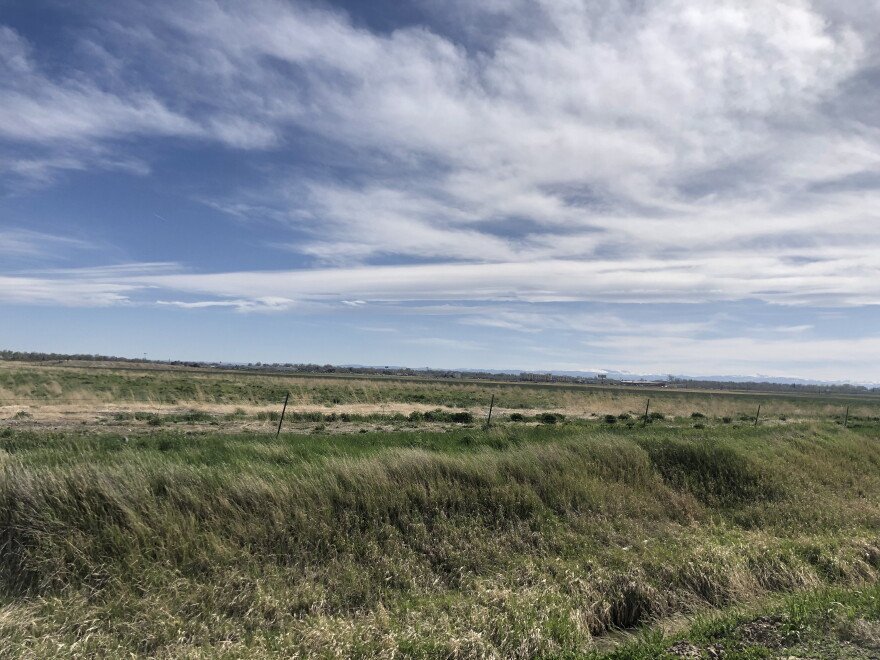
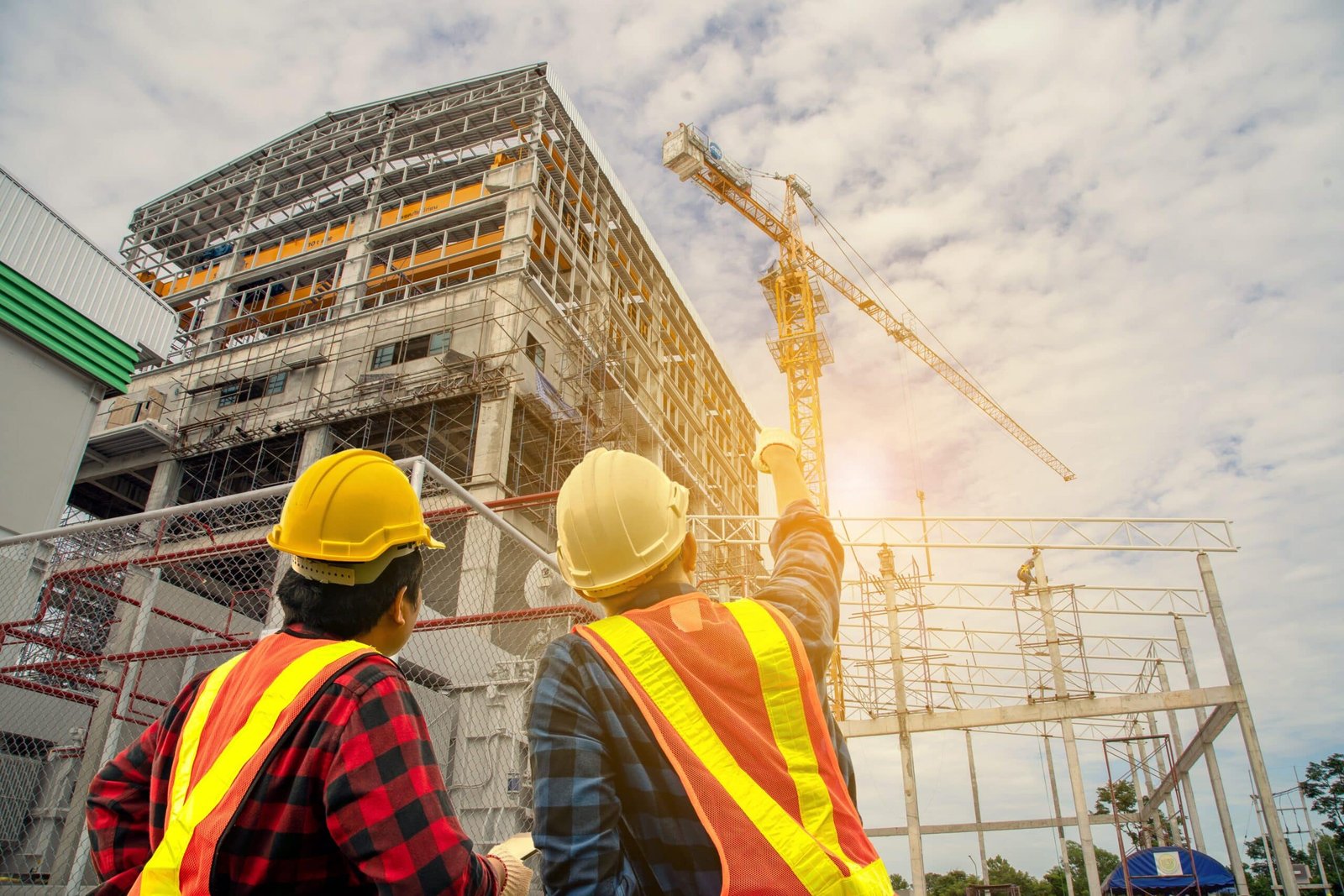
Buyers at North Range Business Park ask for floors, power and cooling that most commercial buildings never need. The park holds an automated distribution center on a 150-acre site and a 153,000 square foot supercomputing building with 24,000 square feet of raised floor, and the tenant list also includes a major technology company. Those are mission-critical and high-throughput buildings, and they are built differently from a speculative warehouse.
We build for that standard. It starts with how the slab is placed and finished, continues through electrical gear that arrives on a procurement schedule of its own, and ends with commissioning that proves the building does what the owner needs before anyone moves in. Our job is to coordinate those pieces so that the date on the contract is a date the owner can actually plan around.
The park is owned by Cheyenne LEADS and has 21 sites totaling 620 acres, with its own interchange onto I-80 and a position next to the I-80/I-25 crossroads. For a buyer, that location trims truck time and simplifies construction logistics, which matters when a project involves oversize deliveries.
A park built around computing and automation
North Range's named tenants include Microsoft, NCAR/UCAR and the Walmart Distribution Center. The NCAR-Wyoming Supercomputing Center broke ground in June 2010, began computing in October 2012 and was funded by the National Science Foundation and the State of Wyoming. Its Derecho supercomputer, an HPE Cray system, was officially launched on July 7, 2023, a reminder that a building like this is upgraded in cycles, not just built once.
That pattern matters for any owner thinking about a similar facility. The structure may serve for many years, but the computing equipment inside is replaced on a shorter cycle, so the floor loads, power capacity, cooling routes and access pathways need room to grow. We help owners and designers plan those provisions during preconstruction, when adding capacity costs a fraction of retrofitting it. Our work on data center buildings follows the same logic.
Scopes we coordinate here
Typical North Range scopes include the building shell and foundation, a structural slab or raised floor system, redundant electrical rooms, mechanical yards for cooling equipment, security and access control, and the site work for fire access, stormwater and truck movement. Where a tenant needs offices, labs or operations space, we build those inside the same envelope.
For the heaviest equipment, we plan the delivery route, crane pad and rigging in advance and agree on them with the owner's vendors. Pad and pier locations are surveyed twice before any pour. If you are planning a computing facility, see data center construction for the sequence we follow from site to commissioning.
Floors, loads and tolerances
A raised-floor computing hall, an automated storage system and a conventional warehouse all place unusual demands on concrete. Automated systems typically require tight flatness and levelness tolerances, and a slab that is out by a few millimeters can cause alignment problems that no one discovers until equipment is installed. We specify the tolerance, choose the placement method to match and measure results on the day, so any correction happens while the slab is still fresh. Our commercial concrete floors service explains how.
Wind and cold add to it. Placing a large slab in strong wind dries the surface too quickly, and placing it in cold needs enclosures and blankets. We schedule large pours for favorable days, bring in windbreaks and curing compound, and keep temperature records for the engineer.
Related work in the same corridor
North Range is one piece of a wider corridor. The High Plains Business Park and the Cheyenne data center corridor show how neighboring owners approach power, water and labor. Cheyenne LEADS CEO Betsey Hale said in April 2025 that data center companies in Cheyenne have collectively invested $3.1 billion in the years after 2012, and Microsoft's first Cheyenne data center sits north of the Walmart Distribution Center near I-80 and I-25.
For publicly funded science and research buildings, our government and public sector process handles grant-driven schedules, reporting and procurement documentation.
Working in a secure and active park
Many facilities in this park control access tightly, and we expect that. Site orientation, badge requirements, delivery windows and photography rules differ from one tenant to the next, and we ask for them during planning, not on the first day. Crews are briefed before they arrive, and any work near live equipment follows a written plan with lockout and tagout.
We also keep trucks and construction traffic out of tenants' operating lanes. A distribution operator who runs automated equipment around the clock cannot absorb a blocked lane, so we plan separate haul routes, flaggers and delivery times. Dust control matters just as much: sensitive computing and automated systems dislike fine airborne particles, so we wet-cut, sweep and seal off active areas before any interior work begins.
Procurement drives the calendar
On this type of building the long-lead items decide the date: switchgear, generators, chillers and specialty cooling units can take many months to arrive. We ask the owner and engineer to release those orders as early as the design allows, and we hold weekly procurement meetings that track each item from purchase order through shop drawings, fabrication and delivery.
Commissioning is part of the schedule, not an afterthought. We allow time for integrated testing, then for any corrections the testing reveals, and we do not hand over a building that has not passed.
Plan a North Range building
Share the load, the floor tolerance and the date you need to be live. We will map the long-lead equipment and give you a schedule that holds.
Common Questions
How close is North Range to the interstates?
Cheyenne LEADS says the park has its own interchange onto I-80 and sits adjacent to the I-80/I-25 crossroads, about three miles from I-25. That shortens haul routes and simplifies oversize deliveries.
What is the biggest schedule risk for a computing facility?
Long-lead electrical and cooling equipment. We recommend releasing orders for switchgear, generators and chillers as early as design allows and tracking them weekly, since those dates control commissioning and handover.
Can the slab meet automated-system tolerances?
Yes, if the tolerance is specified up front and the placement method is chosen to match. We measure results the day of the pour, which lets us correct problems while the concrete is still workable.
Should I plan for expansion when I build a computing or automated facility?
Yes, and the time to do it is during design. We reserve space for additional electrical rooms and cooling yards, size conduit and slab penetrations with future equipment in mind, and keep access routes clear for delivering larger units later. Doing this at the start usually costs far less than a retrofit while the building is occupied.
Can you build in a park with active, secure tenants?
We do it by planning access, badging, delivery windows and haul routes in advance and by keeping construction traffic away from tenant operating lanes. We also write site-specific safety plans for work near live equipment.