
Construction for Commercial Real Estate Developers in Cheyenne
General contractor for Cheyenne commercial real estate developers: spec shells, flex, office and mixed-use on park and interchange land, built for local codes.
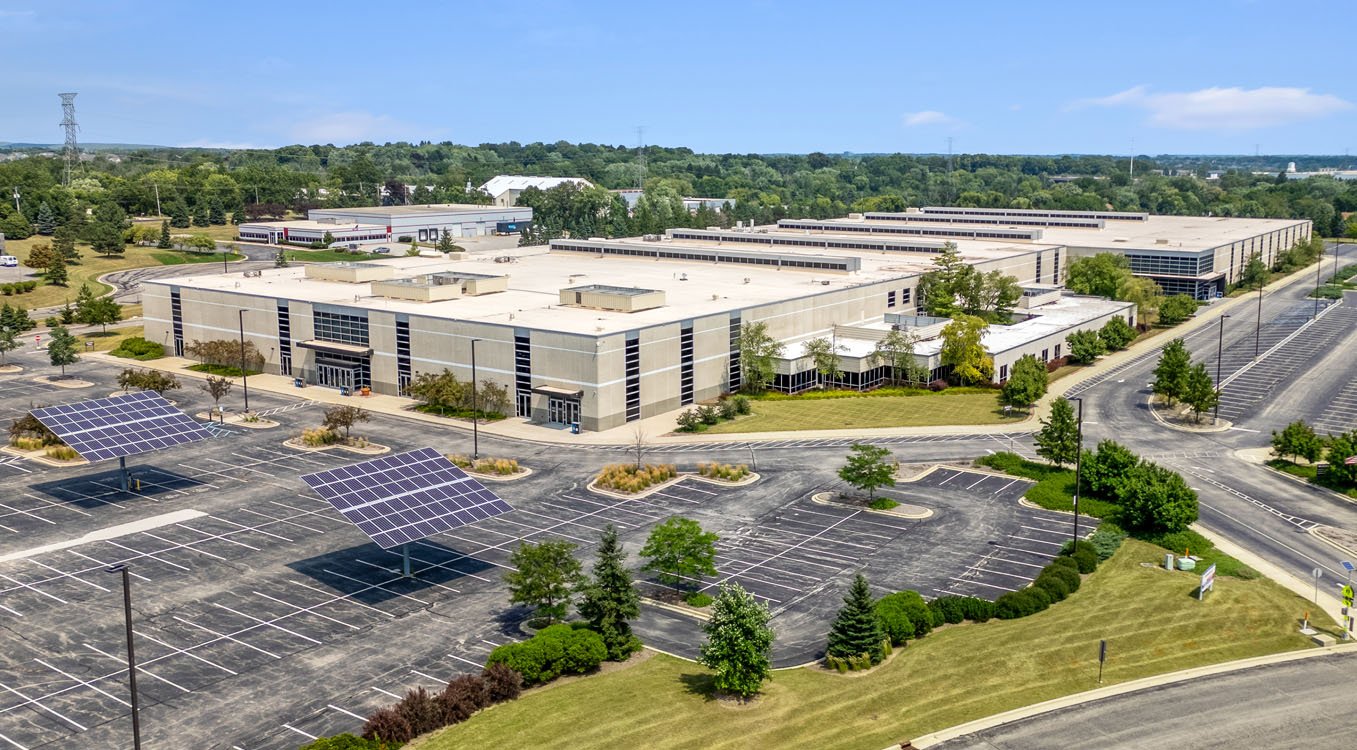
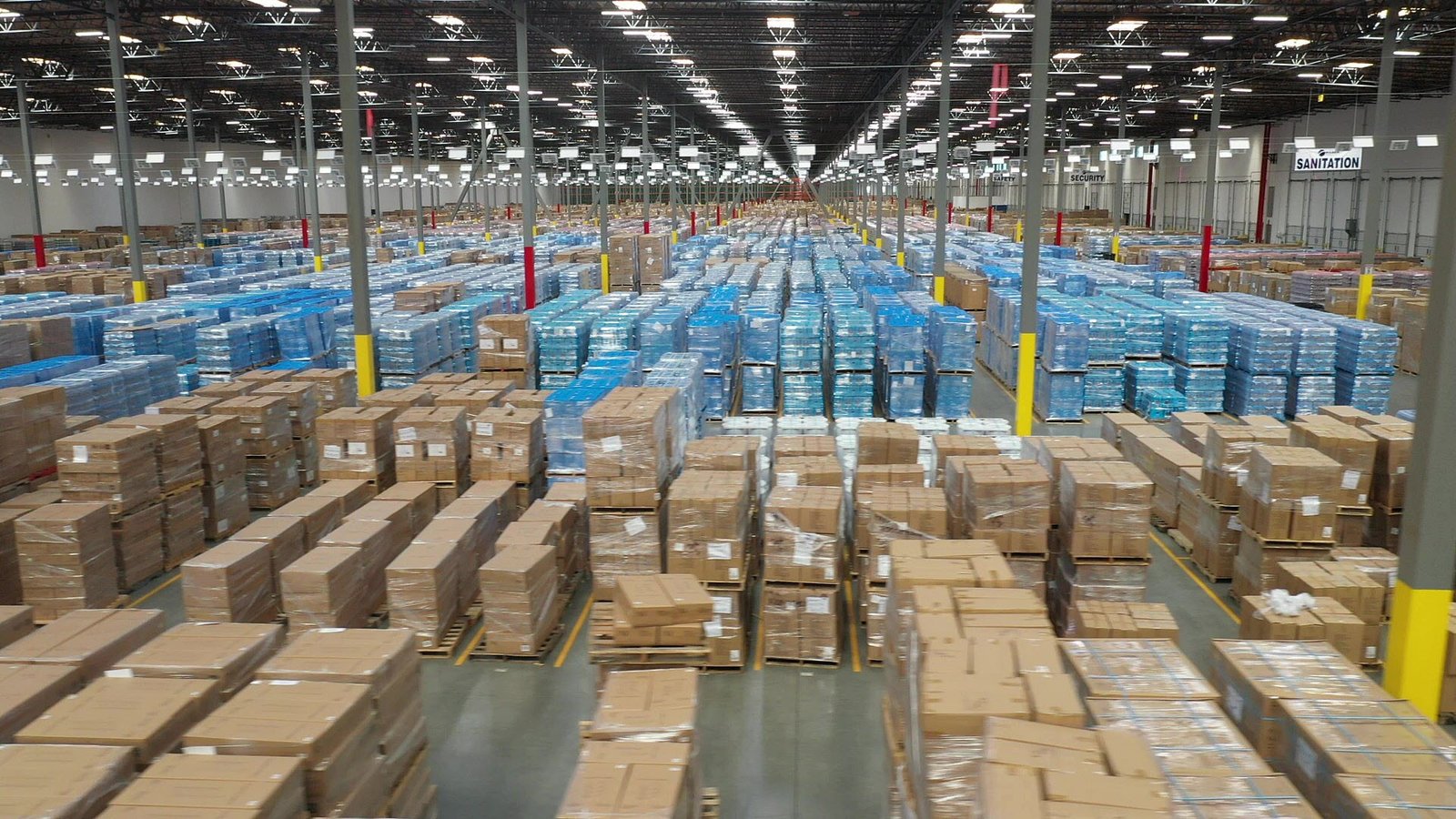
A parcel that is already annexed, platted and zoned saves a developer months, and in Cheyenne the interstate-edge ground that fits that description does not stay on the market long. Campstool Business Park covers more than 200 acres inside city limits with direct access to I-80 at the Campstool Road interchange, and Cheyenne LEADS describes the land as annexed, platted and zoned Community Business. For a speculative or build-to-suit developer, that paper position is half the job. The other half is turning it into a permitted, priced and scheduled building, and that is the half we work on with owners.
We build for commercial real estate developers who hold land, raise capital in stages and need a contractor who will give an honest number before the drawings are finished. Our preconstruction work is practical: utility extensions, frost-depth footings, snow and wind loading from the local jurisdiction's published criteria, and the real cost of pouring concrete on the high plains in November. We tell you early which of your assumptions will cost money, because a developer can fix a pro forma on paper far more cheaply than in the field.
Developers here also work around public infrastructure timelines, tax increment financing and a permitting process that is split between city and county. We read those documents the way you do, as schedule constraints that carry dollar consequences.
Where Cheyenne developers are placing capital
Three kinds of ground account for most of the developer activity we see. Business parks along I-80 and I-25 serve distribution, flex and data uses. The 900-acre Cheyenne Business Parkway inside city limits still lists 60 acres in parcels under 15 acres each, with high-volume natural gas, electricity and redundant fiber already in place, which suits small-bay flex and office-warehouse product. Mixed-use and hospitality ground clusters near the I-25 and I-80 crossroads, where the City, a local bank and a builder announced an 80-acre Hitching Post District plan in September 2021 with a hotel, restaurants, retail and a residential area, financed in part through a Tax Increment Financing district.
The third kind is long-horizon land. When Meta's infrastructure for the High Plains Business Park was privately funded, it also opened an additional 2,800 acres immediately south that the park's planners describe as future mixed use including new housing. These are different capital stories and they call for different attention from a contractor. Park lots are about utilities, pad preparation and speed. TIF ground is about draw schedules and documenting eligible costs. Long-horizon land is about what you can build now to hold your position. We give an opinion on each during preconstruction instead of after bids come back.
Jurisdiction, codes and approvals before the first pour
Wyoming has no single statewide building code. The state adopted the 2024 International Codes on June 28, 2024, but codes are enforced locally, and a county or city that holds enforcement authority has six months to match the state standard. Laramie County adopted the 2024 International Building Code with amendments effective January 1, 2025 and the 2024 International Fire Code effective April 15, 2025, and commercial structural design follows IBC Chapter 16 with the design criteria shown on code study sheets. At a February 2025 meeting of the City of Cheyenne Building Code Board of Appeals, the Chief Building Official reported that an adoption package was before the governing body and that the 2018 Energy Code would remain in effect. We confirm which jurisdiction and which edition govern your parcel before we price, because the energy code edition alone can change a mechanical or envelope scope.
The county's published design criteria list a 32 lb/ft2 ground snow load, a 105 mph wind design speed and a 36 inch frost line depth. Your code study sheet controls, but those numbers tell a developer what to budget for: footings set below frost, roof framing sized for drifting against parapets and rooftop units, and cladding that holds up in wind. Entitlement steps such as replatting, annexation or a development agreement belong on the same critical path as the permit, and our permitting and entitlements work keeps them there.
What moves a developer's number in Cheyenne
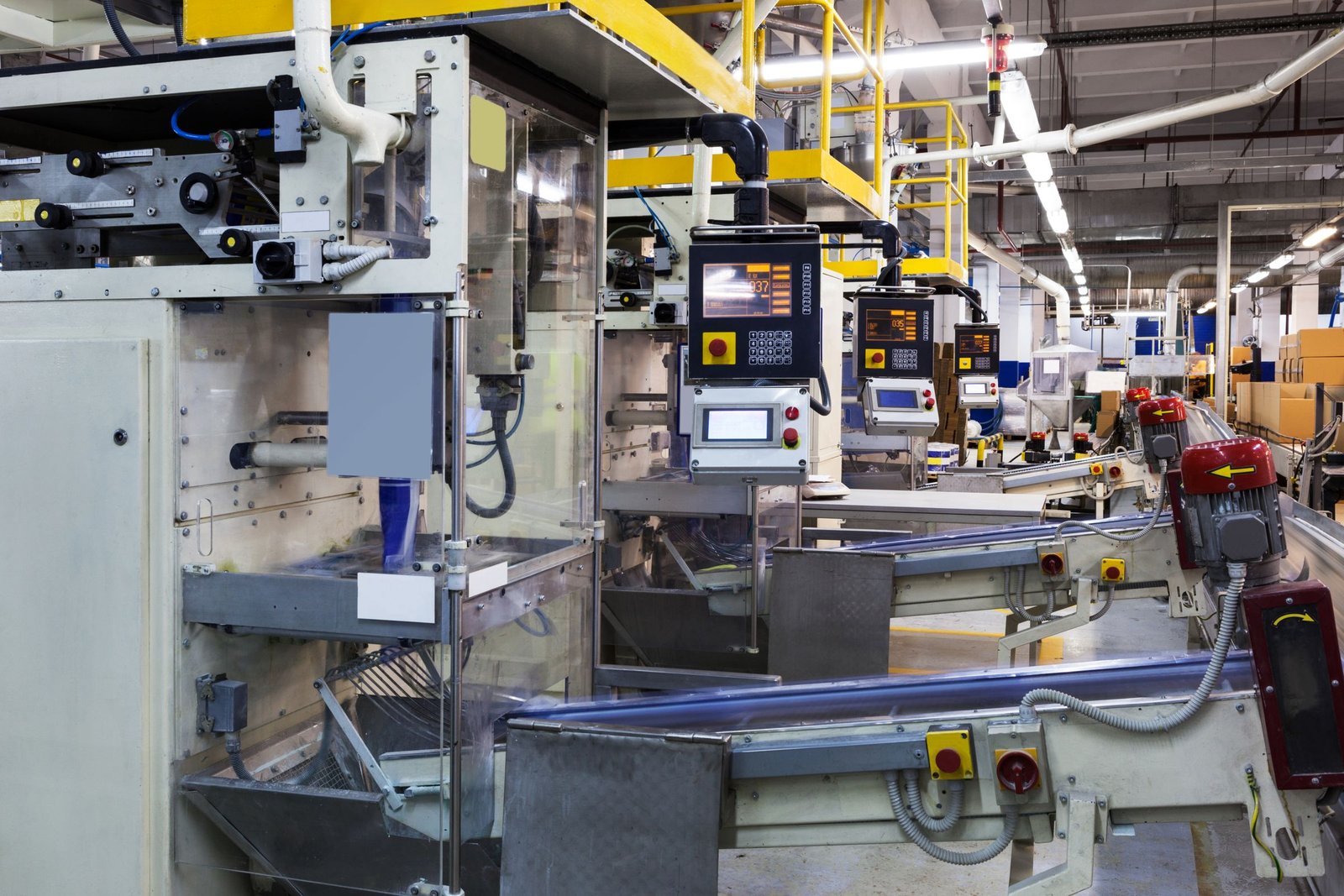
Site work is the line item developers most often underestimate. Even with utilities stubbed to the lot, extending services, grading for drainage on open prairie and paving truck and fire lanes can run well past a first estimate. Frost depth sets footing depth, wind and snow set steel weight, and a cold, high-elevation climate sets the heating and ventilation load. Cheyenne sits at about 6,086 feet, and the owners who budget for that early are the ones who avoid change orders in the second month. Our site development and utilities estimates carry these items as separate lines, and under design-build delivery we can adjust the design while that number is still soft.
Labor and subcontractor capacity are the other cost driver, and they move with other people's projects. The Sentinel modernization at F.E. Warren was projected in 2023 to bring about $2.6 billion in construction spending to the Cheyenne area, with peak workforces of 3,000 to 5,000, and Meta's data center expects more than 1,000 skilled trade jobs at peak construction. When those programs ramp, electricians, concrete finishers and steel crews get scarce. We check trade availability while we estimate and tell you where a different bid sequence protects your number.
Product types that suit these parcels
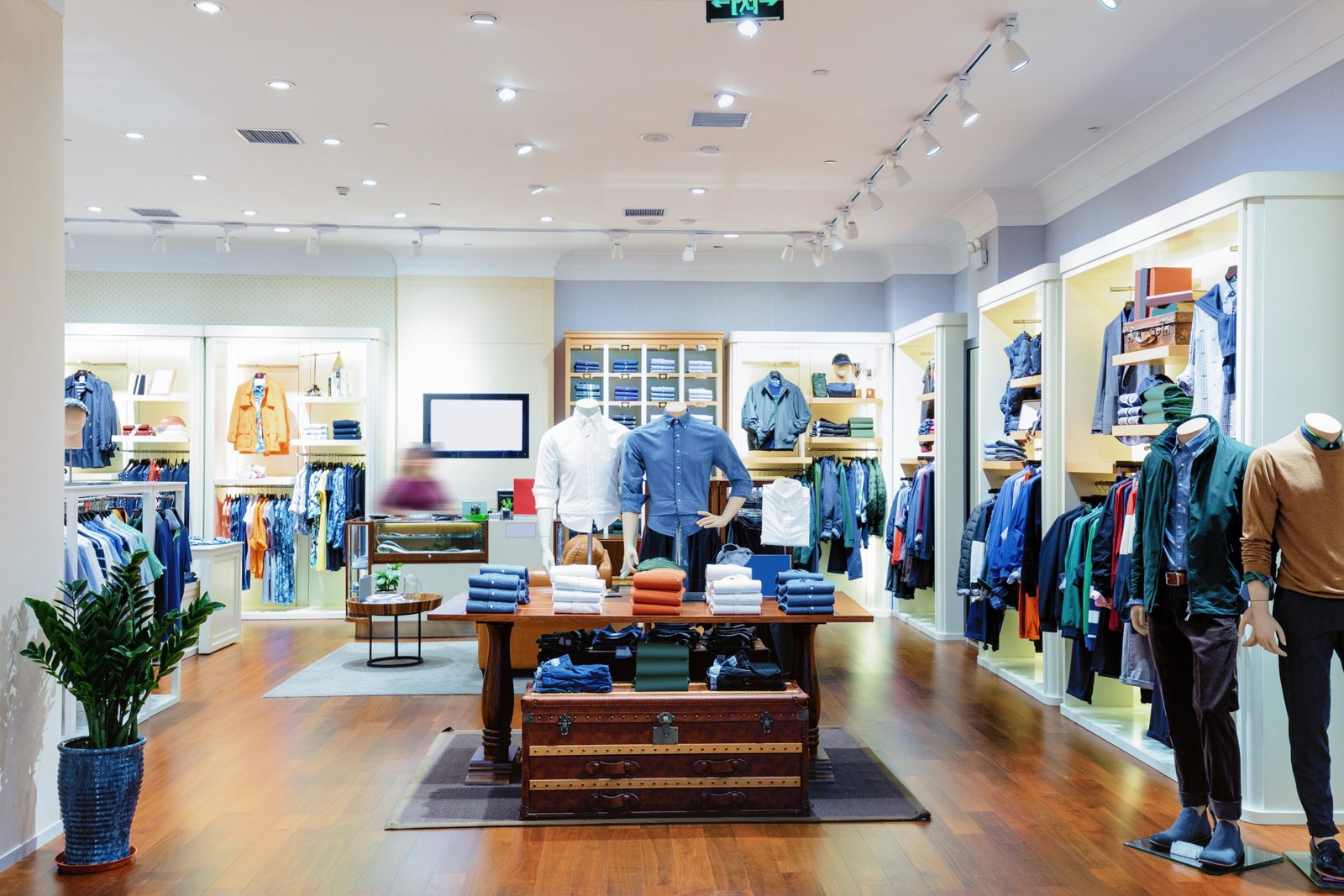
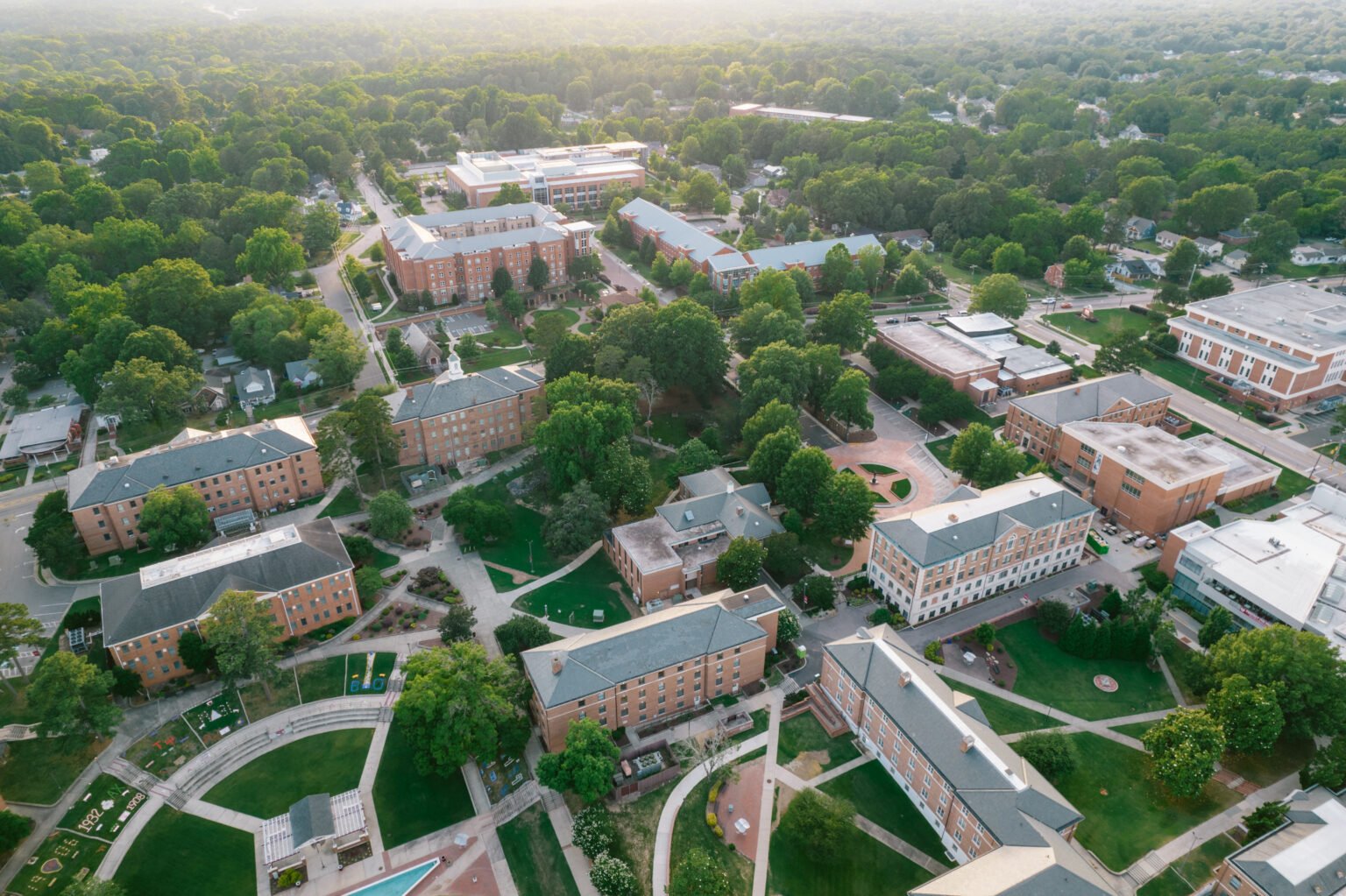
Developers bring us flex and light industrial buildings on park lots, office-warehouse product for local businesses, medical and professional office, and mixed-use blocks near the interchange. Flex buyers care about clear height, dock count and truck turning. Retail pads are often built to the prototype drawings of retail chains, and apartment sites follow the schedule of a multifamily developer, so we keep those drawings and dates coordinated with your shell.
Speculative shells deserve a particular approach. We build the structure, envelope, utilities and slab so the first tenant can move in while later bays are still open, and we detail demising walls and service stubs so tenant improvements do not tear into finished work.
Schedule, procurement and handoff
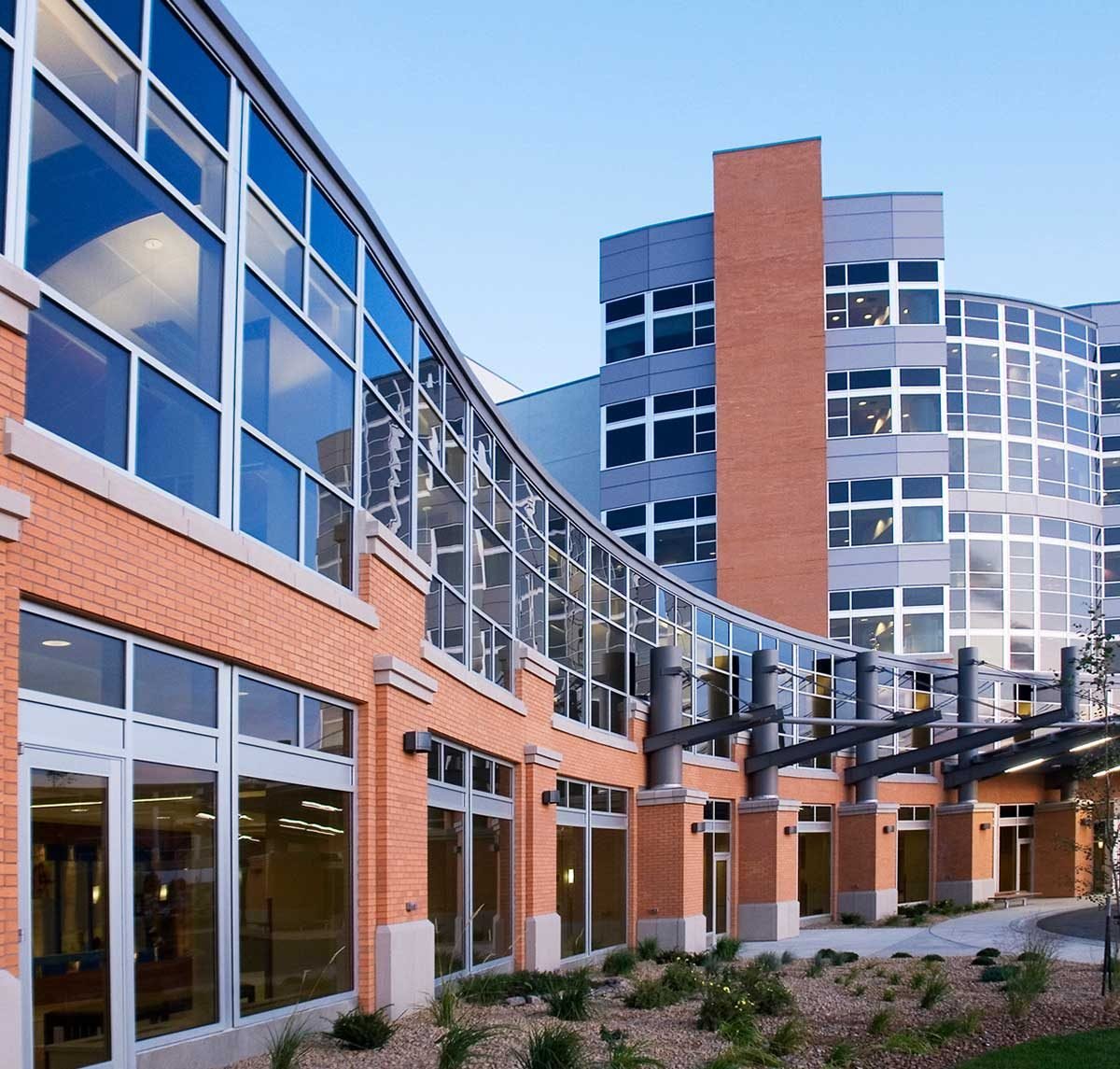
Winter shapes every schedule here. We plan foundations and slabs for the months when concrete can be protected economically, aim to have the building dried in before the deepest cold, and keep interior work flowing under temporary heat when the shell is closed. Wind affects crane picks and panel setting, so we leave float for days when the site simply cannot lift. Long-lead items such as switchgear, rooftop units and steel are released early, sometimes before the permit is in hand, with your approval and a clear understanding of what you are at risk for.
The goal is a building handed over on the date your lease or loan assumes. When that building will be run by a third party, we coordinate closeout with the property management firm that will operate it, so warranties, as-builts and equipment training are in a form their staff can use.
Talk through your parcel with us
Send us the site, the product type and your target delivery date, and we will return a preconstruction scope with the utility, code and weather items called out. We are happy to walk the ground with you before you close.
Common Questions
Do I permit through the City of Cheyenne or Laramie County?
It depends on where the parcel sits. Wyoming delegates code enforcement to qualifying cities and counties, so the answer follows the jurisdiction that holds authority over your land. Laramie County adopted the 2024 International Building Code effective January 1, 2025, while the City's adoption package was still before its governing body at a February 2025 board of appeals meeting.
Can we count on the utilities already in the business parks?
Park marketing materials say high-volume natural gas, electricity and redundant fiber are in place at Cheyenne Business Parkway, and fiber, water, gas, electricity and sewer are reported in place at the Cheyenne Logistics Hub. In-place utilities do not mean a service is sized for your load or reaches your lot line. We verify capacity and tap locations in writing before bidding.
How should I price a speculative building before a tenant is signed?
Build the shell to a standard the market expects, and carry tenant improvements as allowances you can adjust once a lease is signed. We price the structure, envelope, slab, utilities and site as fixed scope and separate the finishes that depend on a tenant's use.
What does a Tax Increment Financing district change about the contract?
It changes documentation more than construction. Eligible costs usually need to be separated and supported by invoices, lien waivers and a payment schedule that matches how the district reimburses. We set up our schedule of values and pay applications that way from the first draw.
When can we realistically start foundations on a new site?
Once the grading permit, utility plans and geotechnical review allow it, and the weather permits protected concrete work. Winter pours are possible with enclosures, blankets and admixtures, but they cost more, so we sequence earthwork and underground utilities early and hold the largest slabs for milder weeks.