General Contractor at the High Plains Business Park
Buildings and sites for owners at and around the High Plains Business Park, planned for peak trade demand, new utilities, wind exposure and neighbor concerns.
A hyperscale data center expecting more than 1,000 skilled trade jobs at peak construction changes the labor market for every other project within driving distance, and anyone planning to build in or near the High Plains Business Park should account for that. The 1,100-acre park in south Cheyenne is managed by Cheyenne LEADS, and Meta is its first tenant, with an $800 million, 715,000 square foot data center announced for the 960-acre portion along South Greeley Highway (US 85).
We build for the owners who follow a flagship tenant into a park: suppliers, service companies, housing developers, office and flex users and the contractors who need yards and shops nearby. They need buildings and sites delivered while a very large neighbor is competing for the same electricians, ironworkers, concrete crews and cranes.
That competition is manageable with planning. We secure subcontractor commitments early, price labor with realistic escalation, and buy material before the peak so the owner is not paying a premium for a crowded market. We also tell owners when a start date is unrealistic, because a slipped schedule on this side of town is more expensive than a later, firmer one.
Planning around a peak construction period
Meta's Project Cosmo was announced on July 2, 2024, with construction begun in mid-spring 2024 and opening scheduled for 2027. During the build-out period, the demand for skilled trades and equipment in south Cheyenne is at its highest, and hotel rooms, rental housing and crane availability all tighten. Neighboring projects need schedules that account for those constraints rather than assuming normal local availability.
Our scheduling approach is to lock down the labor-sensitive trades first. We request commitments from electrical, mechanical and steel subcontractors at the start of design, not at bid, and we ask owners to sign early procurement agreements for long-lead equipment. When the peak passes, the market loosens and pricing for the remaining trades can improve, so we sometimes recommend splitting a project into an early package and a later one. Long-lead procurement explains how that works.
A park built with private infrastructure
Between April 2024 and December 2025, Cheyenne LEADS delivered infrastructure for the property in seven bid packages: two sanitary sewer mains, a water main, a new 4.5-mile road and a traffic signal on US Highway 85. The work created 246 construction jobs and was 100 percent privately funded by Meta, and it opened an additional 2,800 acres to the south for future development, planned for mixed use including new housing.
For the rest of the market, that infrastructure is the real story. Roads, sewer and water now reach land that was open range, and the road to the site was renamed High Plains Road after the Intermountain Speedway closed. Owners buying nearby land should confirm the actual utility locations, capacity and easements, since Cheyenne LEADS obtained 12 easements for access, water and sewer, and ask who maintains each segment. The related housing plan is why multifamily developers should watch this area.
How we support owners near a hyperscale project
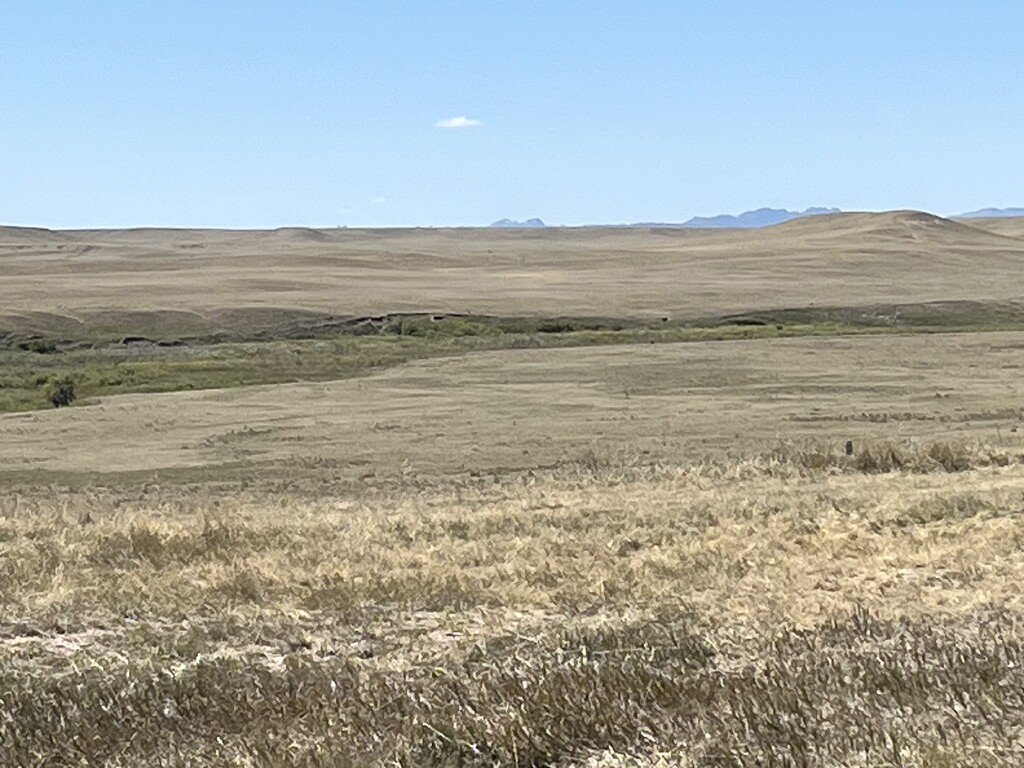
Most of our work here begins with site investigation: soils, drainage, wind exposure and access from the new road. The land is open and exposed, which means wind loads on construction equipment, temporary fencing and any unfinished envelope are real concerns. We design the sequence so that structures are enclosed quickly and temporary work is braced and secured.
Stormwater is the second early topic. Large new roofs and paved areas shed a lot of water, and a prairie site has few natural channels. Our stormwater and drainage work covers detention, outfalls and erosion control, and we coordinate with the park's civil engineer so that a new project's discharge fits into the existing design. For logistics or light industrial users, a tilt-wall building is a natural fit on this kind of open ground.
Traffic, noise and neighbors
Meta agreed to use no more water than a standard business with 100 employees and plans closed-system cooling, and some neighbors raised noise and traffic concerns when the project was announced. Those concerns apply to any builder working in the area. Heavy trucks on US 85, early morning concrete deliveries and night lighting all affect the people who live nearby.
We write a traffic and neighbor plan for each job in this area: haul routes, delivery windows, signage, dust control and a contact for residents. We keep trucks off residential streets, wash down tires at the exit and respond to complaints the same day. On a crowded highway, careful traffic control is a safety measure as much as a courtesy.
Who builds here
The park draws technology companies first, but the follow-on market includes developers who build the housing, retail and support space that a large workforce needs, along with commercial real estate developers assembling speculative flex and office buildings. Each of these buyers sees the same set of challenges: labor, supply and a changing utility picture.
We also serve owners already established in Cheyenne who want to expand while the infrastructure is fresh. For those who build on the south side, the Cheyenne data center corridor and the Hitching Post District give context for how demand is spreading across the metro.
Build near High Plains
Tell us the parcel and your target date. We will review labor, utilities and access around the park and give you a staged plan and budget.
Common Questions
Who owns and manages the High Plains Business Park?
Cheyenne LEADS manages the 1,100-acre park, and Meta is the first tenant. Cheyenne LEADS obtained 12 easements for access, water and sewer and ran the infrastructure in seven bid packages, so it is the first contact for utility and access questions.
How will a hyperscale project affect my building schedule?
Expect competition for electricians, ironworkers, concrete crews, cranes and local housing during peak construction. We secure subcontractor commitments early and sometimes split a project into early and late packages to avoid the tightest period.
Is there room to build next to the park?
The infrastructure project opened an additional 2,800 acres immediately south of the park for future development, planned for mixed use including housing. Land use, utility capacity and zoning for any parcel should be confirmed with Cheyenne LEADS and the city before purchase.
What are the main site conditions?
The site is open, windy prairie with limited natural drainage, so wind bracing, enclosure speed and stormwater design come first. Frost depth and snow load are set by the local jurisdiction and confirmed on the code study sheets.
Should I buy materials now or wait for the peak to pass?
Buy what you can early. Structural steel, electrical gear and rooftop equipment carry long lead times, and a crowded market adds cost and delay. We usually recommend releasing orders for those items at the end of design, then holding the finish trades for a later package when labor pressure eases.
How do you handle neighbors' noise and traffic concerns?
We plan haul routes and delivery windows, keep trucks off residential streets, control dust and give residents a direct contact. Some neighbors raised these concerns when the data center was announced, so we treat them as ordinary project requirements.