Stormwater and Drainage Construction in Cheyenne
Stormwater and drainage construction in Cheyenne: detention basins, storm sewer, inlets and outlets built for hail, flash flood and freeze-thaw.
Dry Creek, Crow Creek and downtown took the water when the National Weather Service recorded 6.06 inches of rain in Cheyenne on August 1, 1985, a Wyoming 24-hour record. Hail up to 2 inches fell in the same storm, 12 people died and damage passed $61 million. Every drainage plan in the city carries that memory, and owners who build here are right to ask how a new site will behave when a summer cell stalls overhead.
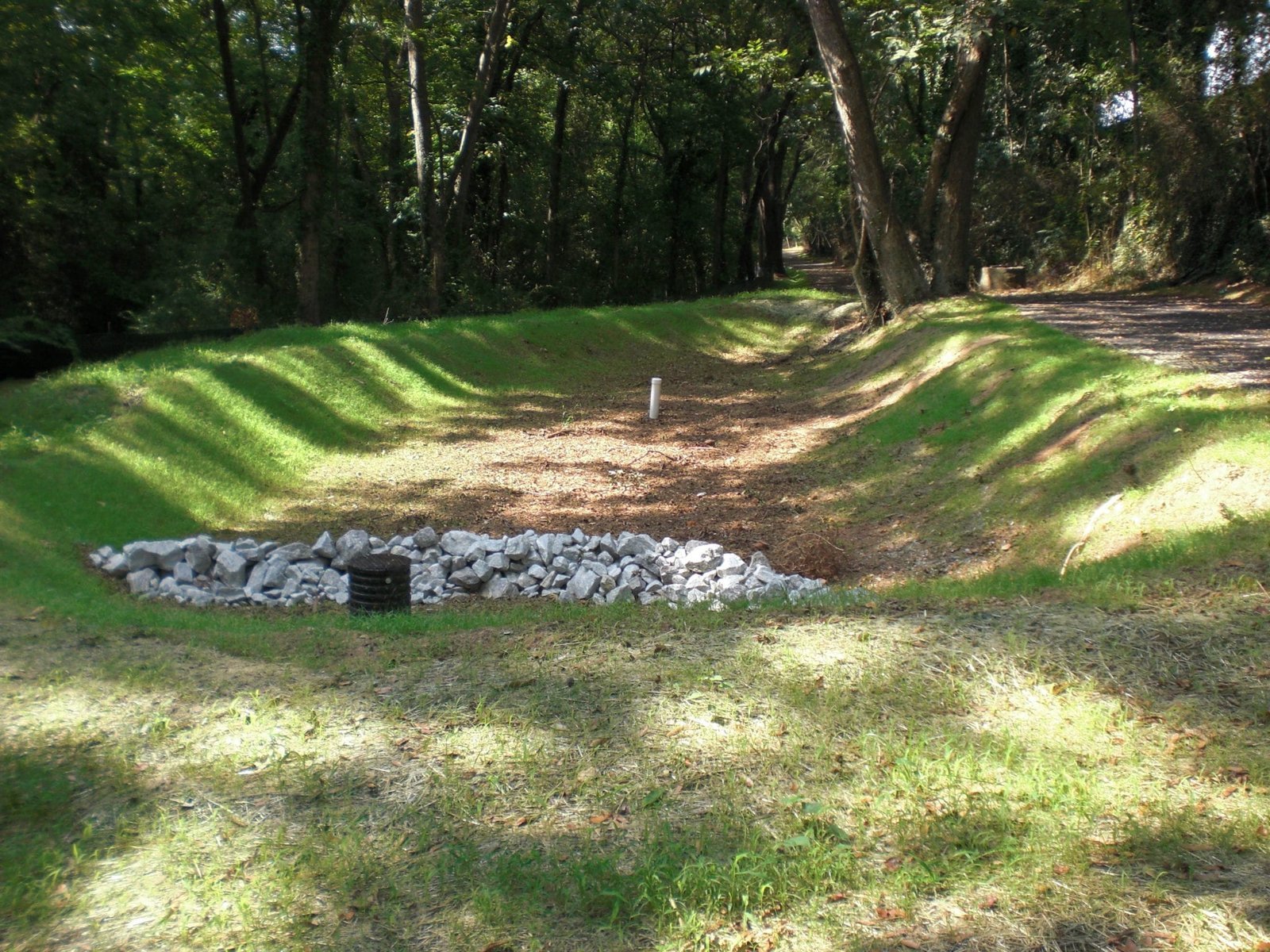
We build the systems that answer that question: storm sewer, inlets and manholes, culverts, swales, detention and retention basins, outlet structures and the paved or riprap channels that carry water off a lot. The design belongs to the engineer, but where the pipe goes, how the basin is shaped and whether the outlet stays clear in January are decisions made in the field. We bring field judgment to the installation and flag conflicts before they are buried.
Stormwater work in this climate has to survive more than rain. Hail on the high plains clogs inlets with ice and debris, freeze-thaw cycles heave poorly bedded structures, and the long dry stretches between storms make basins look harmless until they fill. We treat drainage as a system that must function after a hailstorm, not only on the day of the final inspection.

What the site and the weather ask of a drainage system
A storm on August 1, 2025 dropped baseball-size hail on downtown Cheyenne, and hail of that size does real damage to exposed outlet grates, sheet-metal inlet hoods and thin plastic structures. We favor robust castings, protected outlet works and trash racks that can be cleared by maintenance staff. When a design shows delicate details, we raise the question before material is ordered, not after the first storm.
Frost matters too. Laramie County's published design table lists a 36 inch frost line depth, which governs pipe cover, structure bedding and the depth at which freezing can lift a manhole frame out of the pavement. We set cover, bedding and compaction to protect against it, and we coordinate with mass grading so the contours cut early in the job still match the invert elevations that pipe crews hold later.
Permits, review and the paperwork behind drainage
Drainage plans are reviewed locally, and construction that disturbs ground generally also needs stormwater permit coverage and an erosion and sediment control plan. Wyoming has no single statewide building code, and the International Code Council notes that requirements vary by jurisdiction, so we confirm with the City or county reviewer which criteria apply to your parcel before layout begins. Parcels just outside city limits can fall under different rules than those inside them.
We keep the permit set on site, track field changes against it and prepare the record drawings that the reviewer expects at closeout. If an outlet or basin has to move because of a conflict, we document the change with the engineer so the as-built record still matches what the owner will be asked to maintain. Our permitting and entitlements page explains how we approach the wider approval path.
Systems we install
Underground work includes reinforced concrete and plastic pipe, precast structures, cast-in-place inlets, headwalls and connections to existing public storm sewer. On the surface we construct detention and retention basins, forebays, concrete trickle channels, rock-lined spillways and vegetated swales. We test and inspect pipe as the engineer requires, and we protect the system during construction so silt does not fill it before the owner takes it over.
Drainage is rarely isolated from pavement. Parking fields are graded to drain to inlets, loading areas need trench drains or sloped aprons, and sidewalks and curbs have to cooperate with surface flow. We coordinate the work with parking lot construction and truck courts and dock aprons so slopes, curb lines and inlets all agree on paper and in the field.
Working safely in trenches and around water
Deep pipe trenches are among the most dangerous places on a construction site. We use trench boxes or sloping as the soils require, keep spoil back from the edge, and place a competent person on every excavation. Utility locates are verified before digging, and we pothole where lines are close to pipe alignments. Dewatering and storm-event planning are part of the safety plan, not an afterthought.
Basins and open channels pose their own hazards after heavy rain. We fence and mark open basins, protect the public along active streets, and stage temporary pumps for the days when a summer storm fills the excavation. When weather turns, crews are pulled from low ground first.

Where drainage meets the rest of the job
Retrofit work is common downtown, where the Downtown Development Authority reported in its Q3 2025 update a 4-Alley Project and on-street parking designs that were 75% complete. Alley and street work like that depends on storm sewer connections that are old, shallow or poorly mapped. We expose and verify existing lines before committing to new connections, and we coordinate with property owners in the downtown Cheyenne depot district.
For retail centers and property portfolios, we advise property management firms on inspection and cleaning schedules that suit a hail-prone climate. Larger commercial sites, such as retail and shopping center buildings, often carry the heaviest impervious area and need the most careful outlet design.
Bring us your site and civil plans
Send the civil drawings and any drainage report. We will review the system against the grading and paving plans and tell you what we see before construction begins.
Common Questions
Do I need a detention basin on a small commercial lot?
Often yes, although the answer comes from the local drainage criteria and the engineer's calculations, not from lot size alone. Some parcels can discharge to an existing public system, while others must hold and release water slowly. We confirm the requirement during preconstruction so the basin is in the budget and the site plan.
How do you keep hail damage from ruining a new drainage system?
We favor sturdy castings, protected outlets and trash racks that are easy to clear, and we ask for designs that avoid fragile details. Maintenance matters as much as materials, so we give owners a short inspection list for after severe storms.
Can drainage work continue through winter?
Pipe can be installed in cold weather when trenches are protected and backfill is not frozen. Concrete structures need cold-weather methods, and compaction becomes difficult as the ground freezes. We schedule the most weather-sensitive items for the warmer months when we can.
What causes drainage problems on newly built sites?
The usual causes are grading that does not match design, inlets set too high or low, and basins that silt up during construction. We survey as we build and protect inlets until the site is stabilized, which prevents most callbacks.
Who maintains the system after turnover?
Typically the owner or association, unless a public entity accepts the facility. We provide record drawings, a maintenance outline and an inspection schedule at closeout so the person taking over knows what to check and when.