Mass Grading in Cheyenne and Laramie County
Mass grading for Cheyenne and Laramie County sites: cut and fill balance, wind and frost planning, pad tolerances and haul logistics from a local builder.
Between April 2024 and December 2025, Cheyenne LEADS delivered two sanitary sewer mains, a water main, a new 4.5-mile road and a US 85 traffic signal to the 1,100-acre High Plains Business Park, in seven bid packages. Almost all of that scope depends on earthwork done well, because pipe, pavement and building pads all inherit whatever the grading crew leaves behind. Mass grading is the first real construction on a large site, and it fixes the tolerances, the drainage paths and the schedule for everything that follows.
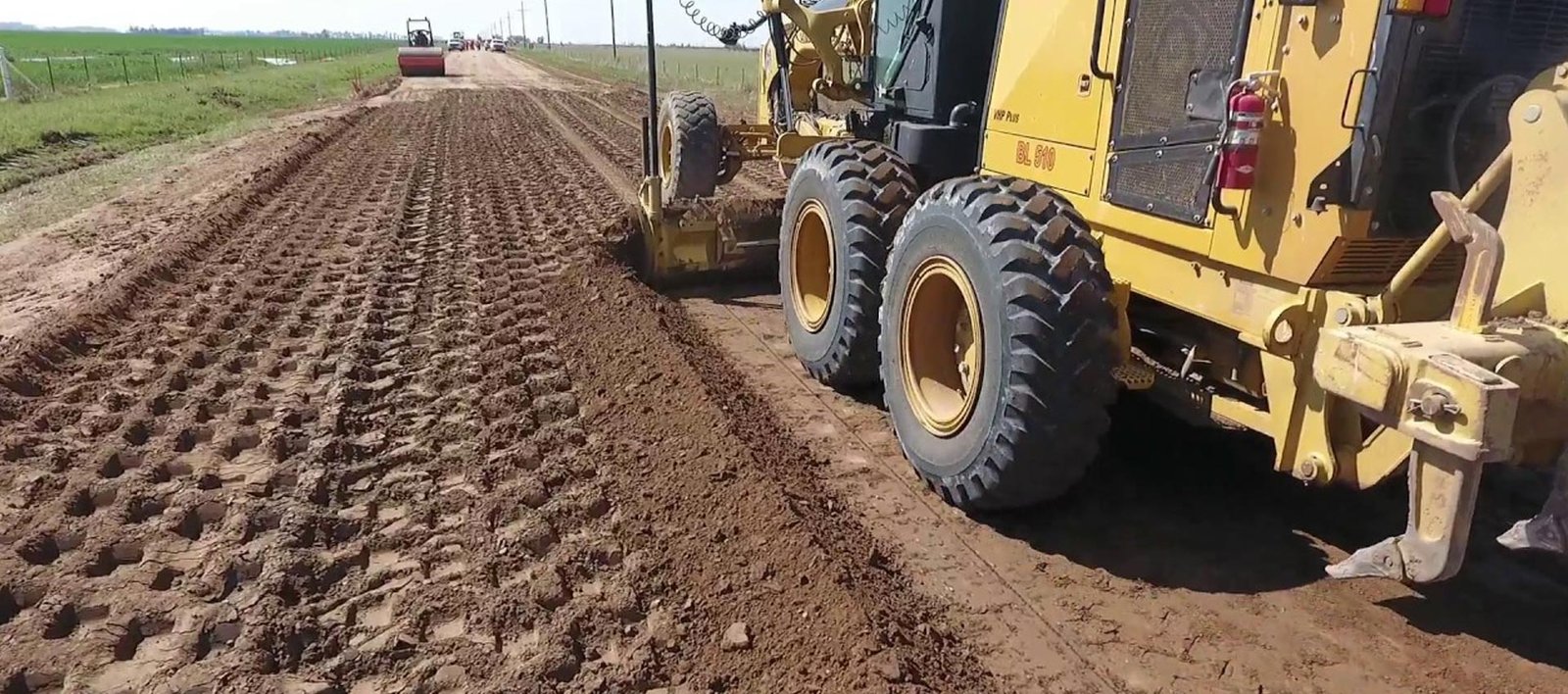
We perform mass grading for owners and developers who need building pads, truck courts, detention areas and haul roads shaped before vertical work begins. The work starts with the topographic survey and the geotechnical findings read side by side, then a cut and fill balance worked out before a single machine is mobilized. On open ground around the city, the goal is to move material once, keep it on the property, and hand the next trade a pad that is already at grade.
Wind and frost set the rules for how we stage it. Laramie County's published design table lists a 105 mph design wind speed and a 36 inch frost line depth, and bare ground on the high plains loses topsoil and moisture control quickly if dust and erosion are not managed from the first day. We open only as much ground as crews can stabilize, and we plan water trucks and temporary cover as part of the grading price.
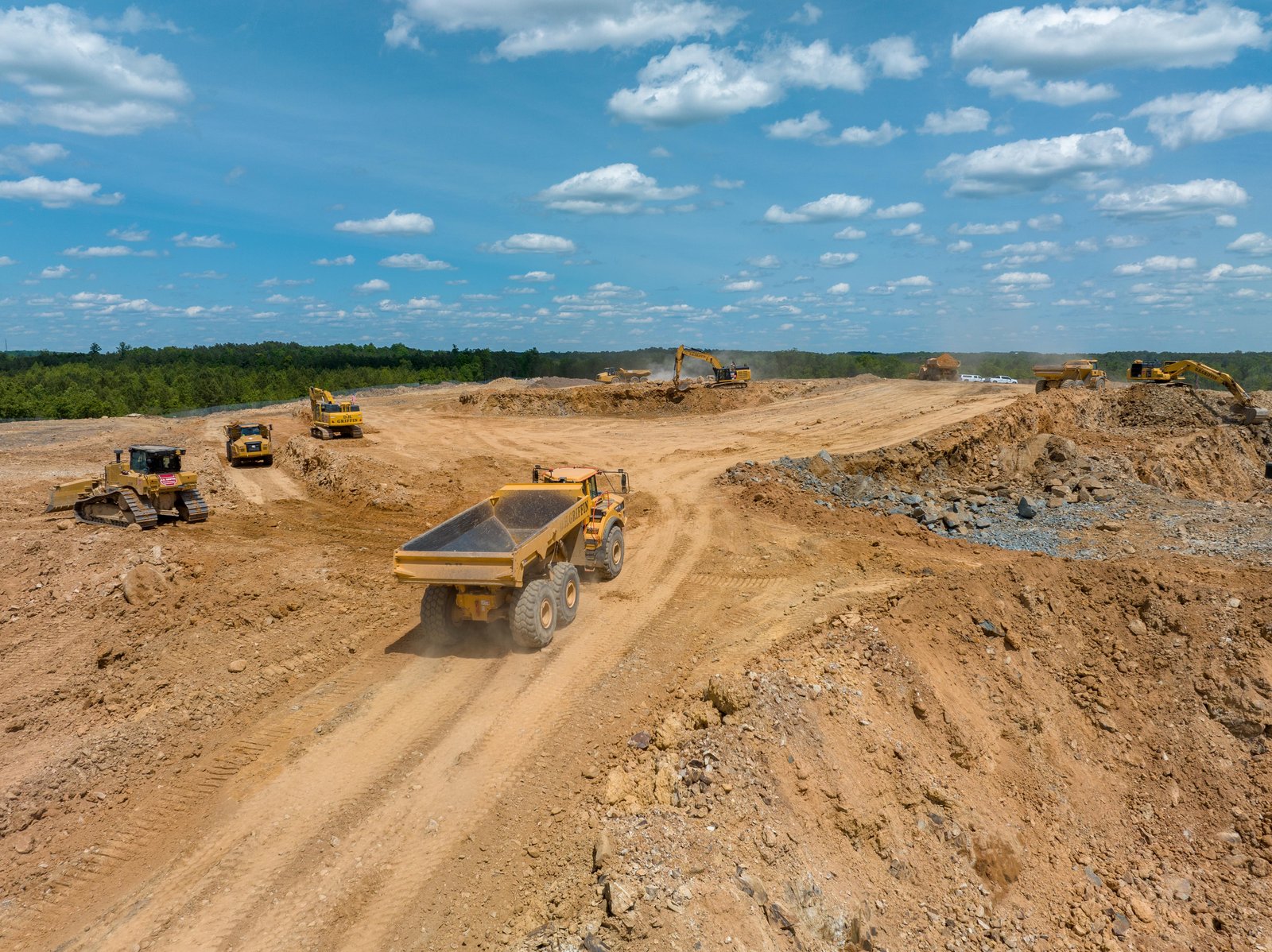
Why large sites around Cheyenne start with dirt
Cheyenne has room to build at scale. The Cheyenne Logistics Hub covers about 2,000 acres southwest of the city with access to both BNSF and Union Pacific, I-80 and I-25, and about 1,500 of those acres were unsold and unoccupied as of the December 2022 report. A tract that size is rarely graded in one pass. Pads are cut for the first tenant, the rest is held, and the grading plan has to leave the remaining land drainable and reachable for whoever arrives next.
That is why we ask for the master plan before pricing a single phase. Where an owner is building a distribution tenant on the Cheyenne Logistics Hub, or preparing pads inside the High Plains Business Park, the first pad often has to carry road access, utility stubs and stormwater paths for land that has not been sold. Good grading keeps those future options open.
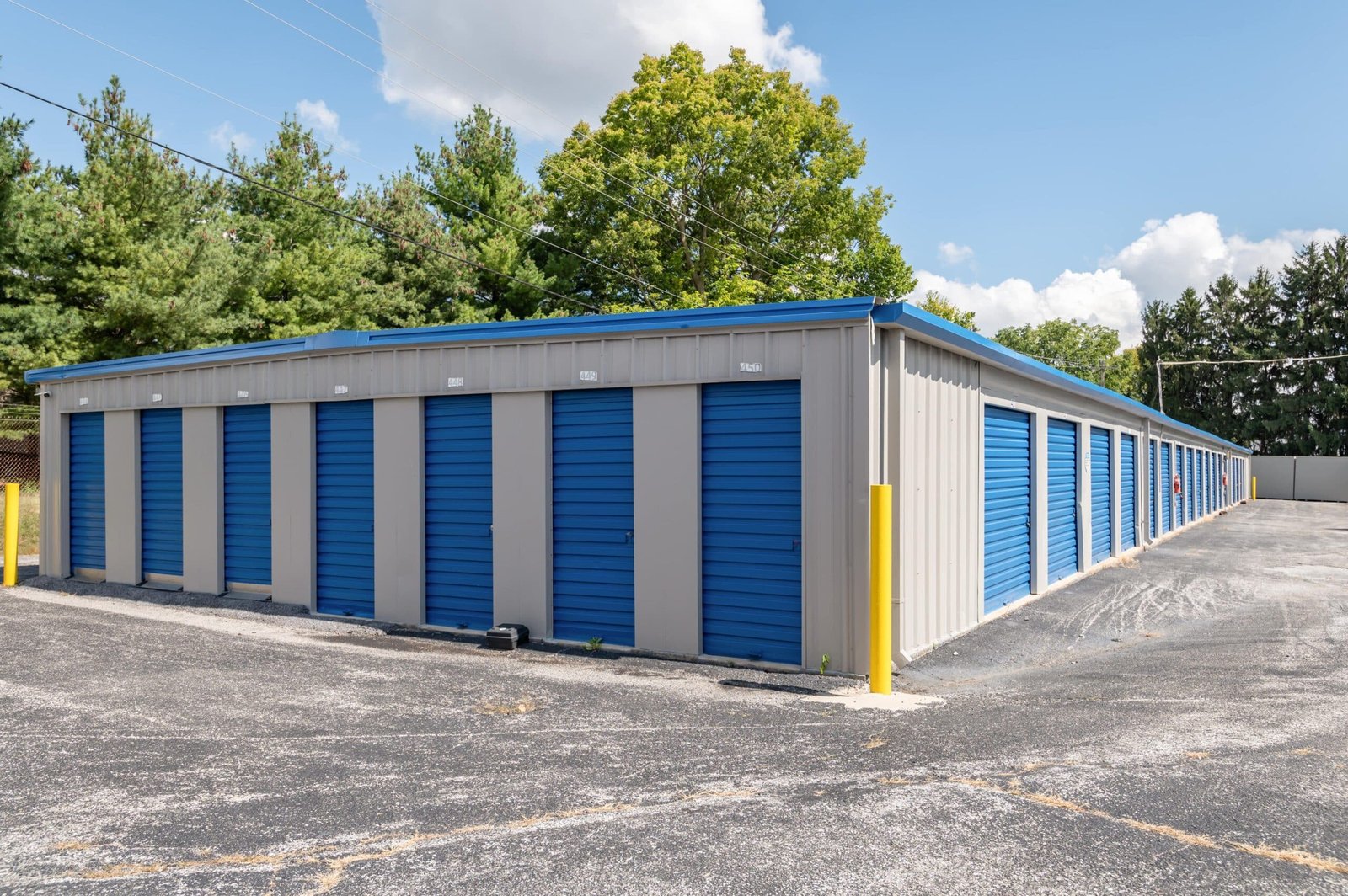
What our grading scope includes
Clearing and stripping come first, with topsoil stockpiled and protected for later landscape use. Next comes bulk excavation, structural fill placed in controlled lifts, moisture conditioning and compaction testing at the intervals the geotechnical engineer sets. We rough-grade building pads, loading areas and parking fields, shape detention basins and ditches, and leave subgrade ready for utilities or base course. Rock, unsuitable soils and groundwater are priced as clear allowances rather than hidden risk.
Grading rarely stands alone. It ties directly into site development and utilities, where sewer, water and dry-utility trenches follow the same stakes, and into stormwater and drainage, where the contours we cut decide whether a basin actually works. We coordinate those scopes under one survey control so that elevations agree from the first pass to final grade.
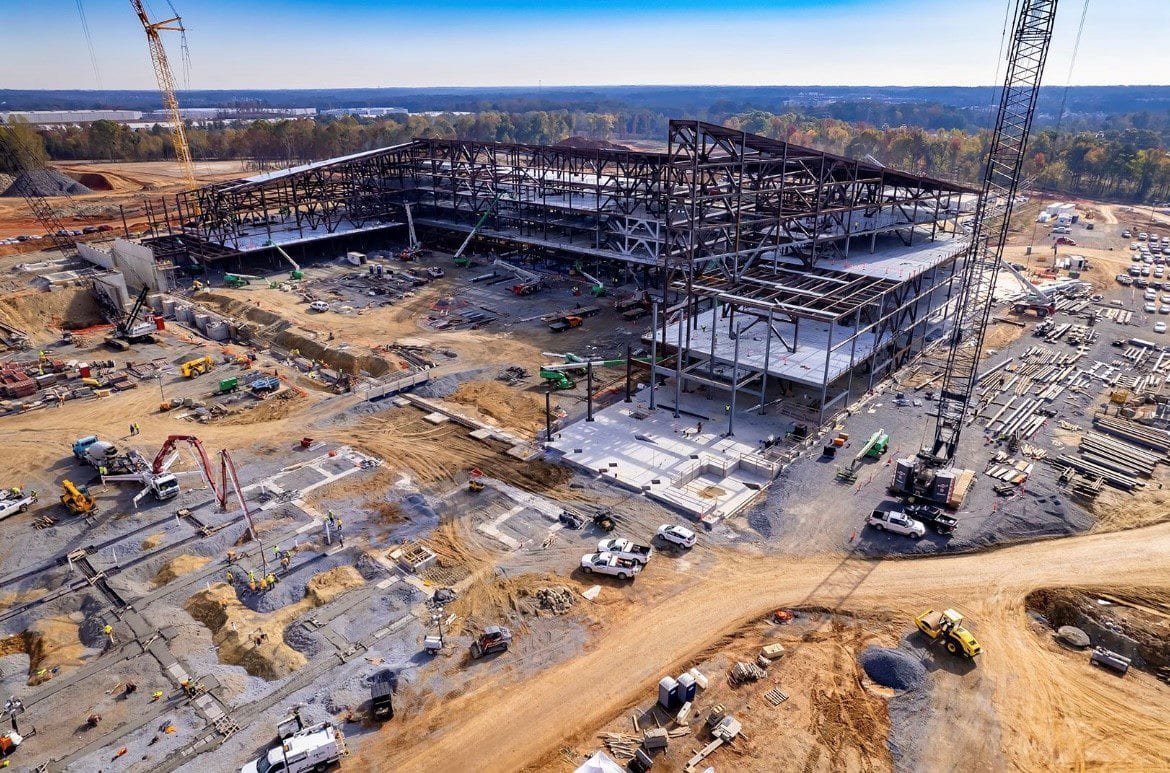
Conditions that change a grading plan
Weather is the largest variable. Spring thaw softens subgrade, summer thunderstorms can stop work for days, and freezing ground in late fall makes compaction hard to document. We build weather days into the schedule, keep haul roads stable with crushed material where needed, and avoid placing structural fill on frozen or saturated subgrade, which only moves the problem to the foundation crew.
Neighbors matter as well. Cowboy State Daily reported that some neighbors raised noise and traffic concerns when the Meta data center was announced on South Greeley Highway, and a large earthwork job generates both. We plan truck routes, hours of work and dust control early, and we tell adjacent owners what is coming so haul days are not a surprise.
Sequencing grading with permits and utilities
A grading permit, a stormwater plan and utility easements usually have to line up before the first cut. We work backward from the building start date, allowing time for plan review under permitting and entitlements, then schedule clearing, bulk earthwork and fine grading so that foundation crews and underground contractors can follow without waiting. Where an owner is racing a tenant lease date, we stage pads in the order buildings will be built.
Fine grading is held back until the last responsible moment. Pads that are finished too early get rutted by trucks or washed by storms, so we cut to within a few tenths of final grade, protect the surface, and complete final trim just before the slab or paving crews arrive. That small habit saves a repeat pass and a retest.

What moves the price of earthwork
Three numbers drive most grading budgets: the volume of cut and fill, the haul distance, and how much material has to be imported or exported. A balanced site is far less expensive than one that must be exported or built up with borrow, so we push for balance in the early design conversation. Compaction requirements, moisture conditioning and special fill under heavy slabs add cost that should be known before bidding.
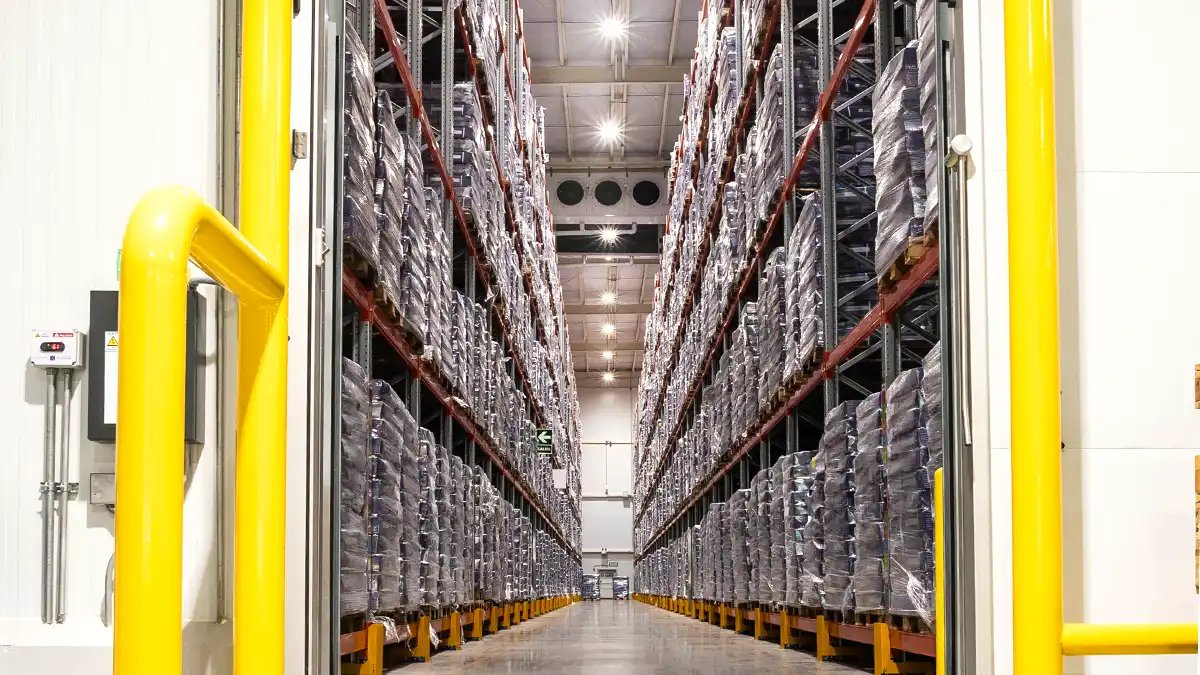
Mobilization, erosion control, dust management and winter protection also belong in the budget. For warehouse and distribution tenants, we price the pad together with the work that follows, as in our warehouse construction and logistics and distribution work, so owners see one number for a ready-to-build site instead of a series of change orders.
Send us the site plan and survey
Share the parcel, the survey and any geotechnical report. We will return an earthwork approach, a haul plan and a schedule that fits your permit timeline.
Common Questions
How much of a Cheyenne site can be graded before permits are final?
That depends on the grading permit and the stormwater plan, which we confirm with the local authority before mobilizing. Clearing and rough cuts may be approved separately from building permits, but we do not assume it. We ask early and plan the start date around what is actually approved.
Do you balance cut and fill on site?
Yes, whenever the design allows. We model earthwork volumes from the survey, adjust the pad elevations with the engineer where possible, and keep spoil on the property. Importing or exporting soil is the single easiest way to raise a grading budget, so balance is our first goal.
What happens if we find bad soil under a pad?
We stop, document the condition and bring in the geotechnical engineer. Typical responses are over-excavation and replacement, moisture conditioning, or stabilizing the subgrade. Unit prices for those corrections are set in the contract so that a surprise becomes a measured adjustment, not an argument.
How do you control dust on windy days?
We limit open ground, keep water trucks working, and apply temporary cover or mulch to finished areas. On days when wind makes control impossible, we pause operations rather than put dust on neighbors or the roadway. Wind is a regular part of the Cheyenne schedule, so it is planned for from the start.
Can grading and the data center or warehouse foundations overlap?
Often they can, if the pad is finished and tested in sections. We deliver complete pad areas to the foundation crew while grading continues elsewhere, and we coordinate haul routes so trucks do not cross finished work. See our concrete foundations page for what happens next.