Concrete Foundations in Cheyenne and Laramie County
Commercial concrete foundations in Cheyenne: frost-depth footings, grade beams, piers and walls placed to the 2024 IBC, with cold-weather and wind planning.
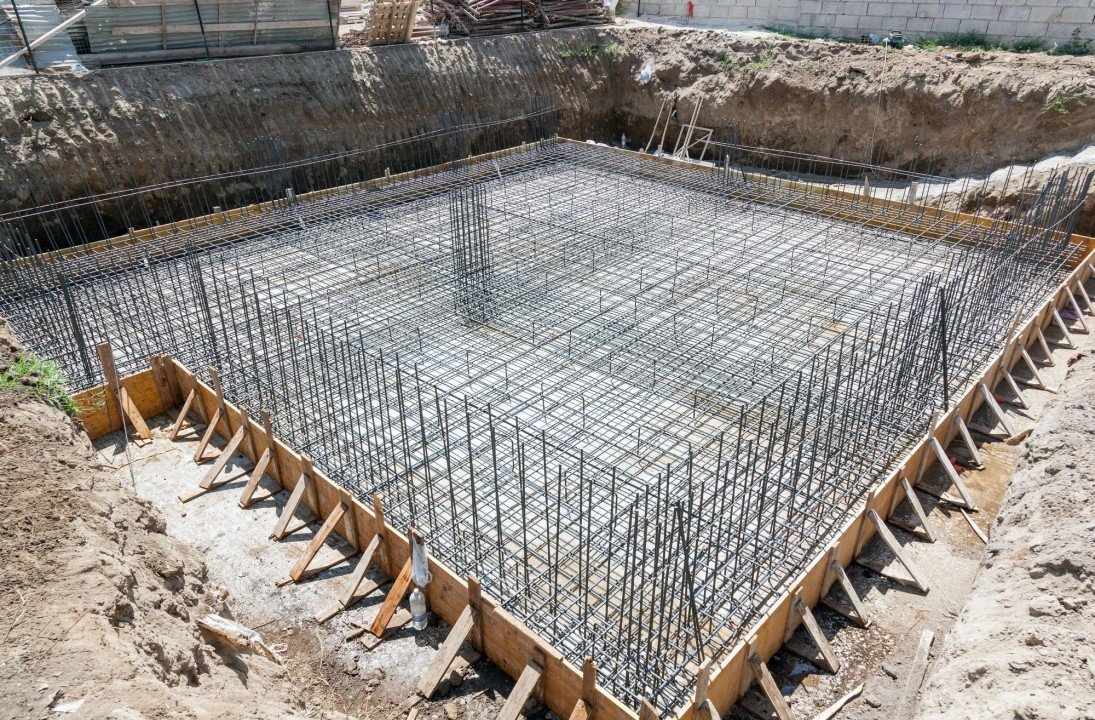
A footing that stops short of the published frost line will move, and in Laramie County that line is listed at 36 inches in the county's design criteria table. Let a footing settle a quarter inch and a tilt panel misses its seat, a column base plate stops fitting, or a door begins to rub. Foundations are the least visible part of a commercial building and the part that cannot be fixed cheaply afterward, so we treat them as the most important pour on the job.
We build spread and continuous footings, foundation walls, grade beams, pile caps, pier caps, equipment pads, retaining walls and stem walls for commercial, institutional and industrial buildings. Our approach is to read the geotechnical report before we read the structural set, confirm the bearing and frost assumptions, and price the foundation to the soils actually found. Surprises under a footing are expensive; surprises on paper are cheap.
The climate shapes the schedule as much as the soil does. Concrete placed in a Cheyenne cold snap needs heat, blankets and testing discipline, and concrete placed on a windy summer afternoon needs evaporation control. We plan both before we order the first truck.
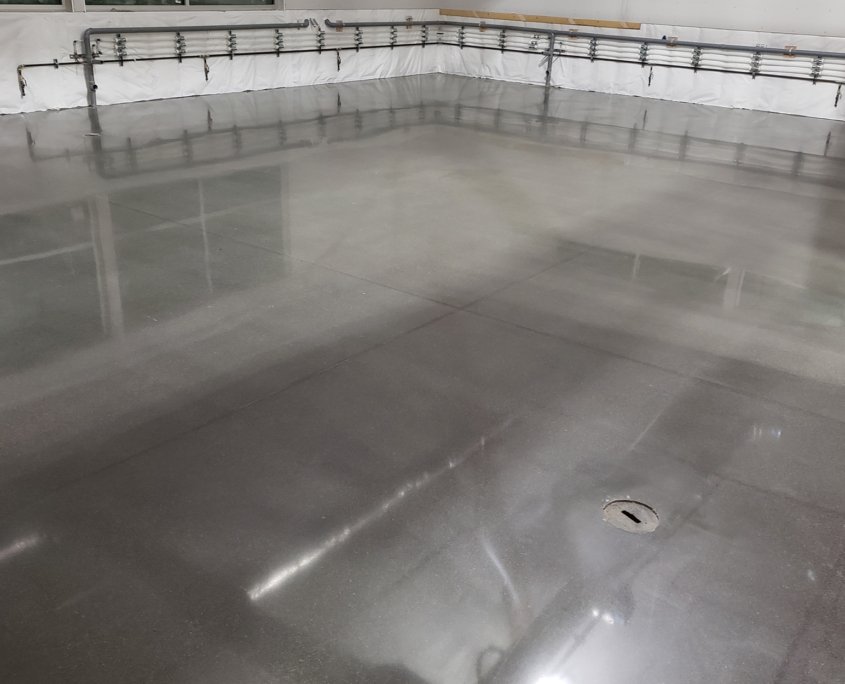
What we place and how we sequence it
The sequence starts with layout from survey control, then excavation to bearing, inspection by the geotechnical engineer, forming, reinforcing steel and embedded items such as anchor bolts, sleeves and conduit. Concrete placement follows, with cylinders cast for strength testing and curing methods matched to the weather. Stripping, waterproofing or dampproofing where specified, and backfill in controlled lifts finish the cycle.
Sequencing matters because several trades depend on foundation tolerances. Steel erectors need anchor bolts within a narrow band, which is why our structural steel erection coordination begins with a bolt survey before the first column lifts. Tilt-up crews need level, clean slabs and accurate edges, as described in our tilt-wall construction work.
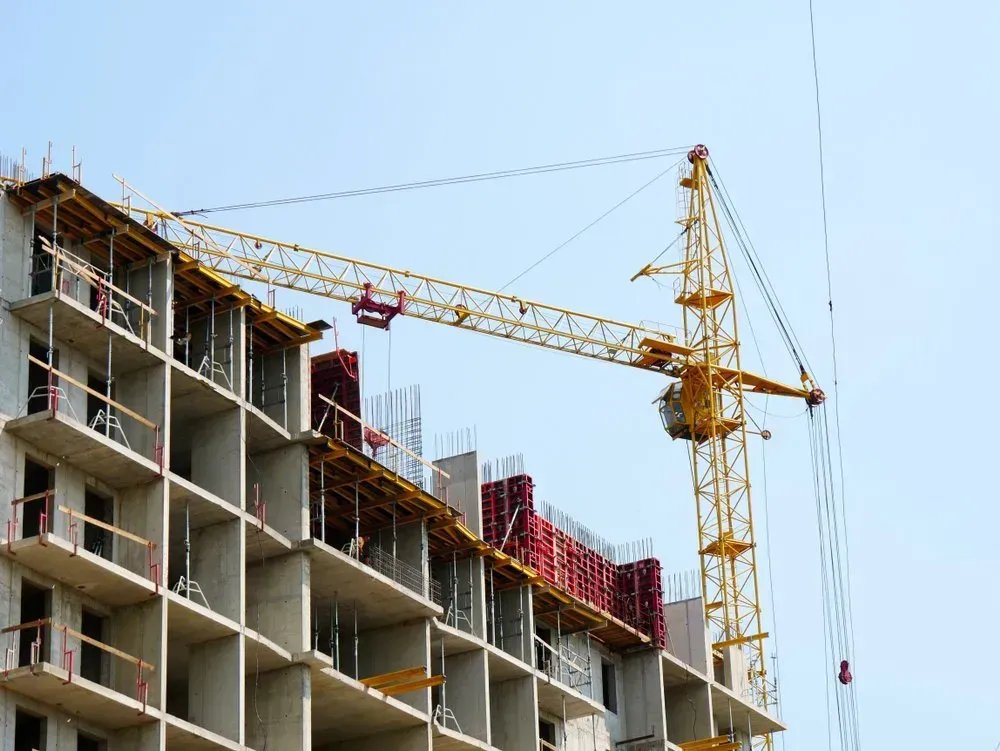
Code, loads and who sets the criteria
Laramie County adopted the 2024 International Building Code with amendments effective January 1, 2025, and its commercial projects follow IBC Chapter 16 for loading, with design criteria shown on code study sheets. The county page did not confirm the City of Cheyenne's own adoption, so we verify which edition and which amendments govern your parcel before drawings are finalized. Wyoming has no single statewide building code, and local jurisdictions set snow, wind and frost values.
Special inspection is part of the foundation cycle. Reinforcing steel, anchor bolts, concrete strength and soil bearing are verified by third parties, and we schedule inspections as hold points so work does not get covered before it is cleared. We keep the inspection log with the pour records so the owner has a complete file at closeout.
What we manage directly
Foundation work is where close management pays off most, because forming, reinforcing and placing have to move in step with the weather. We schedule and inspect layout, forming, rebar placement and concrete finishing by our trade partners, and we use specialty subcontractors for pumping, testing and unusual systems. Keeping the core team steady lets us adjust the pour schedule in the morning when a front arrives.
That control also shortens the gap between a pour and the next trade. We schedule stripping and back-fill as soon as strength allows, protect the footing from frost with insulating blankets or soil cover, and release the foundation to steel or wall erection with a documented as-built survey.
Large buildings and heavy loads in the metro
Cheyenne's current construction pipeline includes some of the heaviest loads in the region. Meta announced an $800 million, 715,000 square foot data center on 960 acres of the High Plains Business Park, with more than 1,000 skilled trade jobs at peak construction. A project at that scale demands deep, repeatable foundation systems and a concrete supply chain that does not stall. Smaller buildings in the same park benefit from the infrastructure that was built to serve it.
Closer to the highway, the North Range Business Park offers 21 sites totaling 620 acres with direct I-80 access, and warehouse and technology users there build on the same wind and frost conditions. We keep the bearing assumptions, truck access and concrete sourcing in the preconstruction plan so an owner does not discover them during the pour.
Where foundation cost comes from
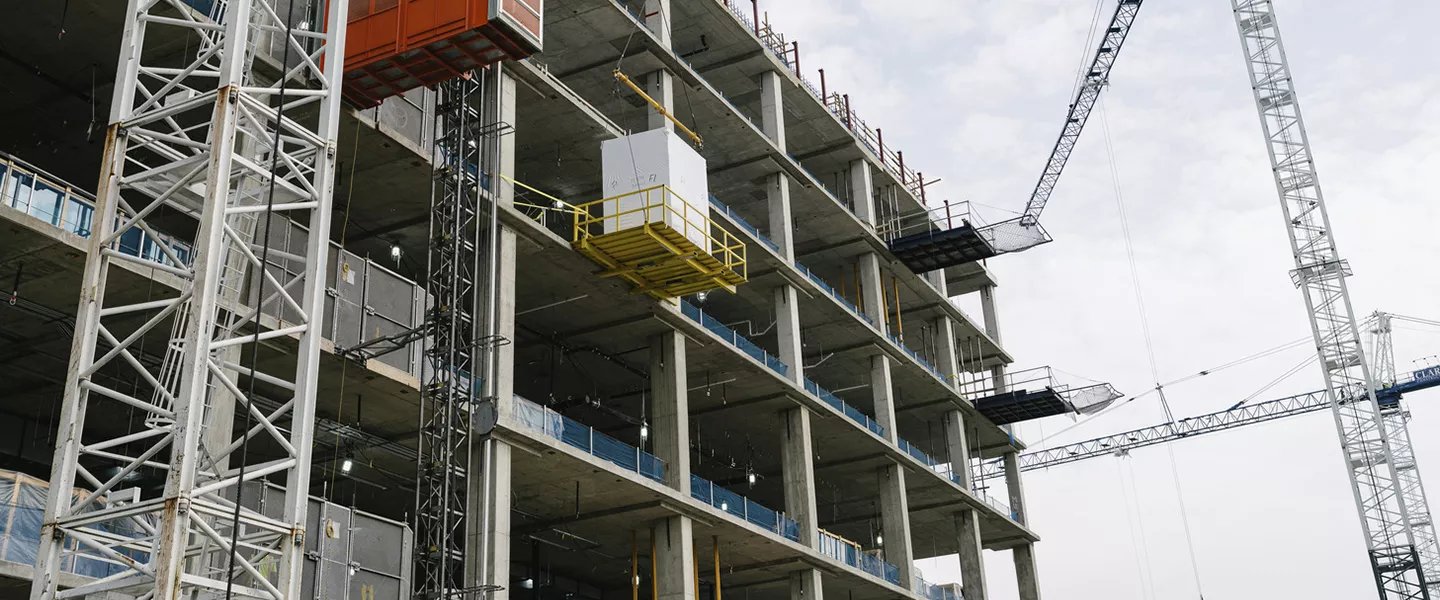
Depth, soil conditions and reinforcing density drive most of the price. A shallow spread footing in good soil is straightforward; a deep stem wall in poor soil may require over-excavation, select fill or a deep foundation. Weather protection, special inspection and concrete mix adjustments for cold weather also appear in the estimate. We show those items so you can compare bids on equal terms.
Where soils or loads call for deep elements, we move to the approach in deep drilled pier foundations. Where a slab shares the footing line, we plan the joint layout with commercial concrete floors so that one set of survey stakes supports both.
Buildings that rest on our foundations
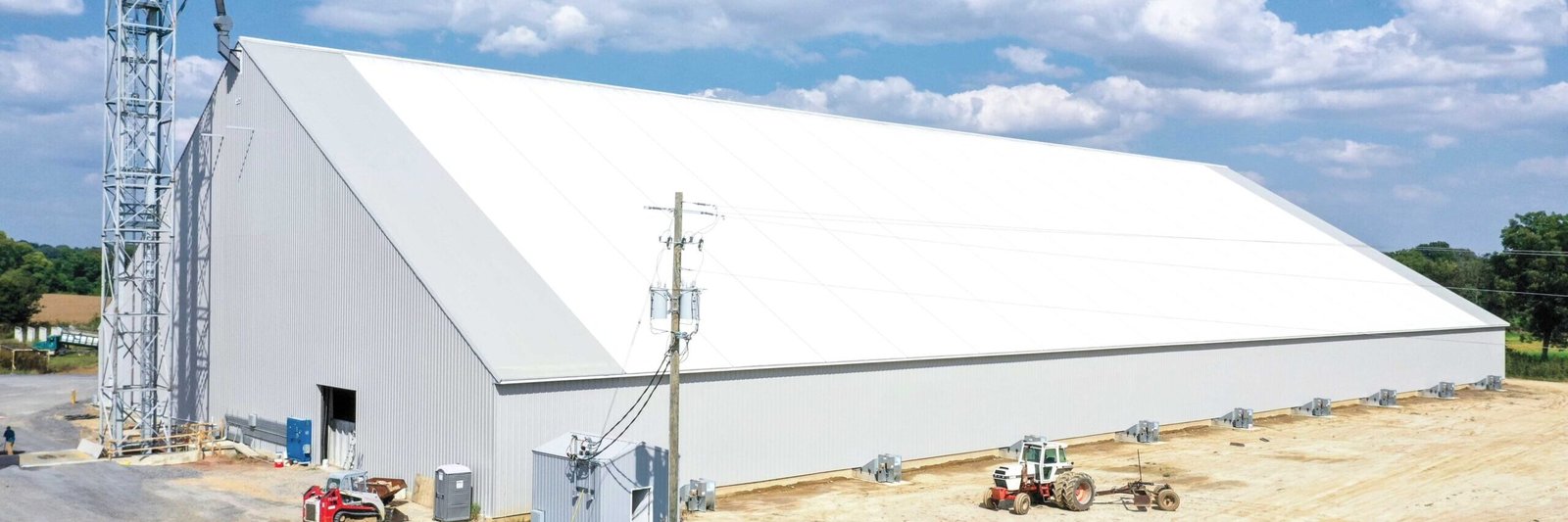
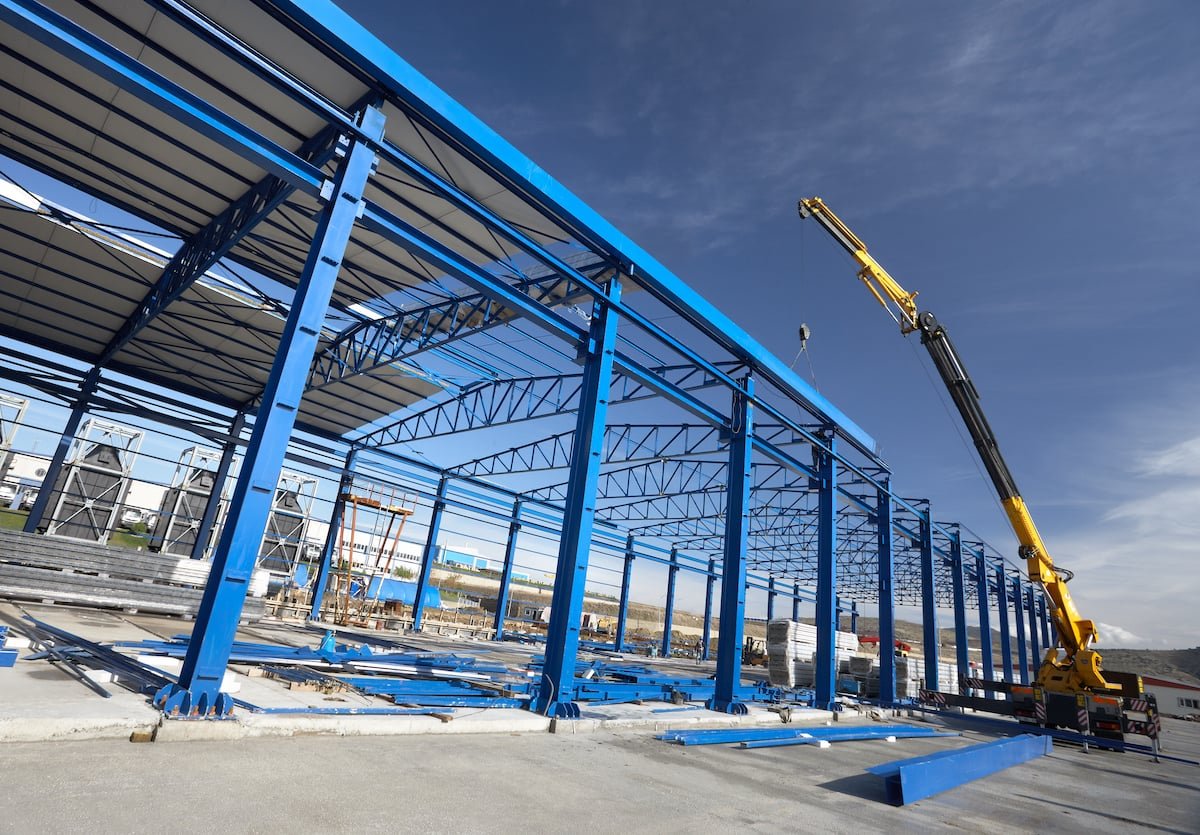
Light metal frames, tilt-up shells and structural steel buildings each place different demands on a foundation. A pre-engineered metal building needs precise anchor rod locations and carefully placed pier or wall footings. A manufacturing plant may add equipment pits, trenches and heavy machine foundations that need vibration and settlement control.
We also build foundations for owners in manufacturing, where a line move or equipment addition often changes the foundation plan late. Early coordination with the process engineer is the best protection against rework.
Tell us about your foundation scope
Send us the structural set and the geotechnical report. We will return a foundation approach, a pour sequence and a cold-weather plan before you commit to a start date.
Common Questions
How deep do commercial footings go in Cheyenne?
The depth is set by the local jurisdiction and the engineer of record. Laramie County lists a 36 inch frost line depth in its design criteria table, and we confirm the value that applies to your parcel. Bearing conditions and the building loads can require more depth than frost alone.
Can you pour foundations in winter?
Yes, with protection. We use heated enclosures, insulated blankets, heated water or aggregate and temperature monitoring, and we protect the subgrade from freezing before placement. Winter pours cost more and need closer testing, which is why we show the cost of cold-weather methods in the estimate.
What does special inspection involve for foundations?
Independent inspectors verify soil bearing, reinforcing placement, embedded items and concrete strength tests. We schedule them as hold points and keep records for the owner and the building department. It adds a little time but protects against hidden problems.
How do you manage anchor bolt accuracy?
We set bolts with templates, survey them after the pour and share the results with the erector before delivery. Any out-of-tolerance bolt is corrected with the engineer's approved method before steel arrives.
Does wind affect concrete placement?
Yes. Wind dries the surface quickly, which raises the risk of plastic shrinkage cracks. We use windbreaks, fogging, curing compounds and early finishing to control it, and we adjust the pour start time when the forecast calls for gusts.