Deep Drilled Pier Foundations in Cheyenne
Drilled pier and caisson foundations in Cheyenne: shaft drilling, reinforcing cages, wet and dry placement, inspection and wind uplift design coordination.
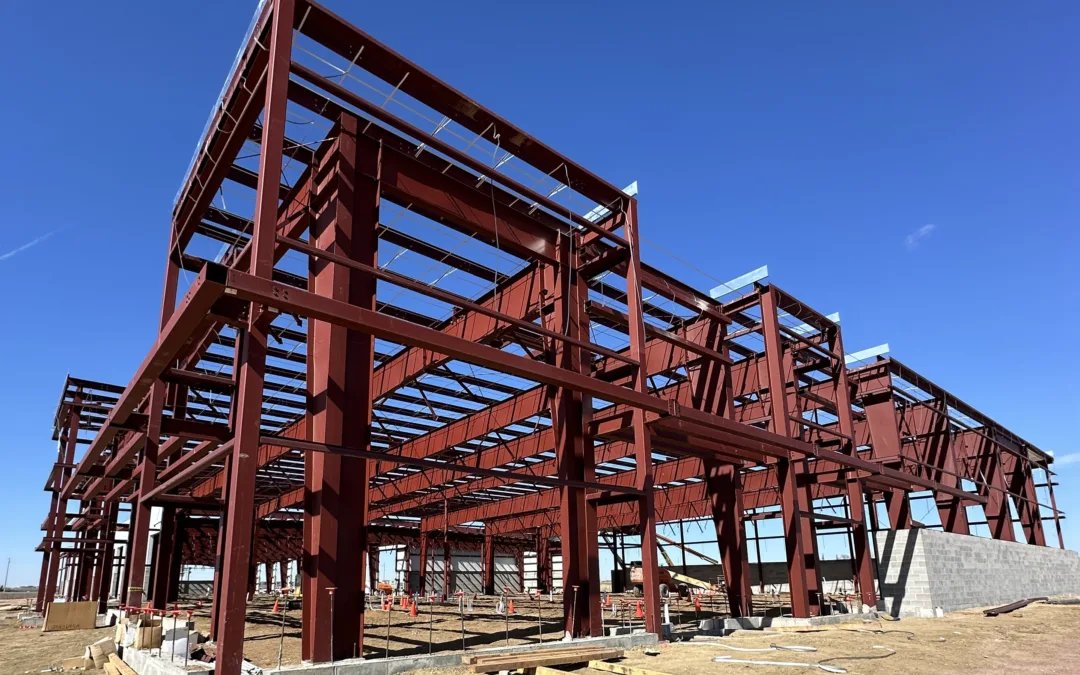
Uplift and overturning decide how deep a foundation has to go on the Wyoming high plains, and the numbers are not small. Laramie County's design criteria list a 105 mph wind design speed, which acts on tall, light structures like crane buildings, hangars, tall data halls and canopy frames. When soil near the surface is weak, expansive or unsuited to spread footings, drilled piers carry those loads into firmer material below.
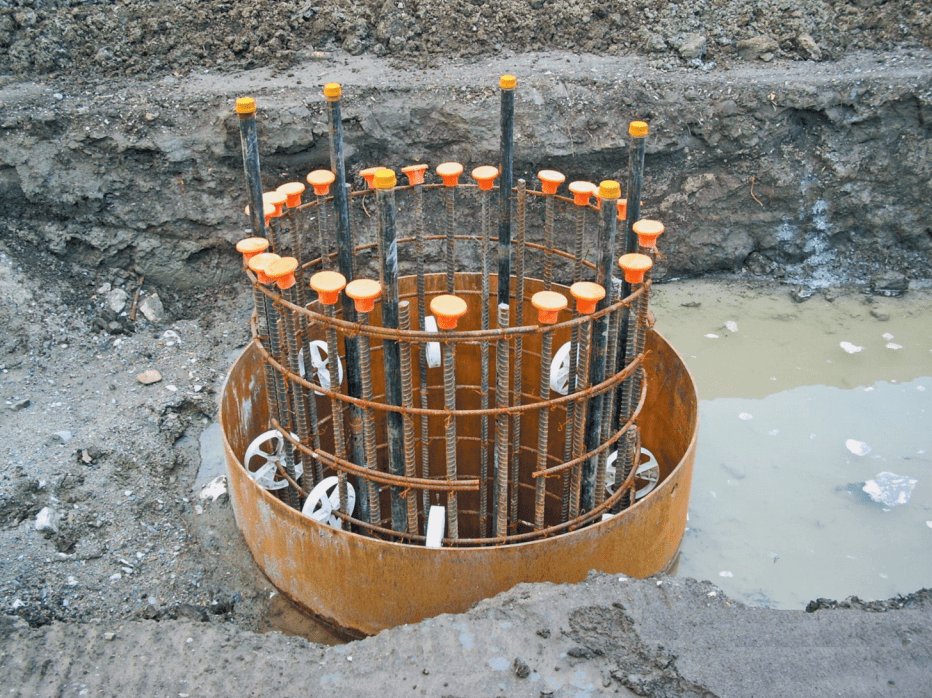
We coordinate and construct drilled shaft and pier foundations for commercial, institutional and industrial work. A rig drills to the depth the geotechnical report calls for, a reinforcing cage is lowered in, and concrete is placed by the method that suits groundwater and hole stability. Each shaft is its own small project, with its own log, its own inspection and its own pour ticket.
Pier work lives or dies on early information. We read the soil borings before we read the drawings, discuss them with the geotechnical and structural engineers, and press for a trial shaft or test hole when the information is thin. A short delay for better data is a much better outcome than a drilling rig sitting idle.
How a pier program is planned
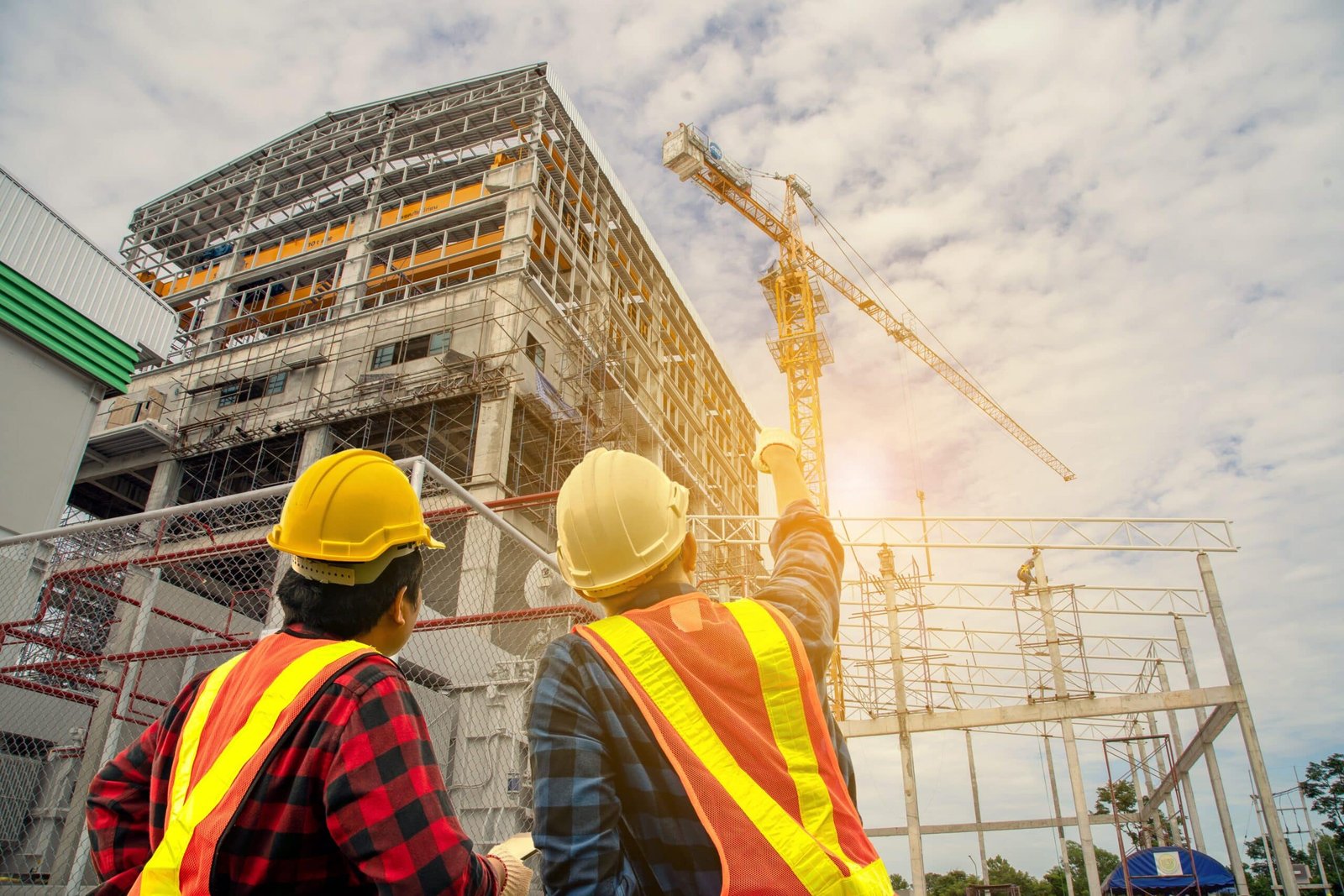
We begin by building a shaft schedule: diameter, depth, reinforcing, location and expected conditions for every pier. From that we select the rig, tooling, casing and pumping equipment, and decide whether holes can be drilled dry, cased or held open with slurry. Work is sequenced to keep the rig moving across the site while cages are tied ahead and concrete is delivered on a fixed cycle.
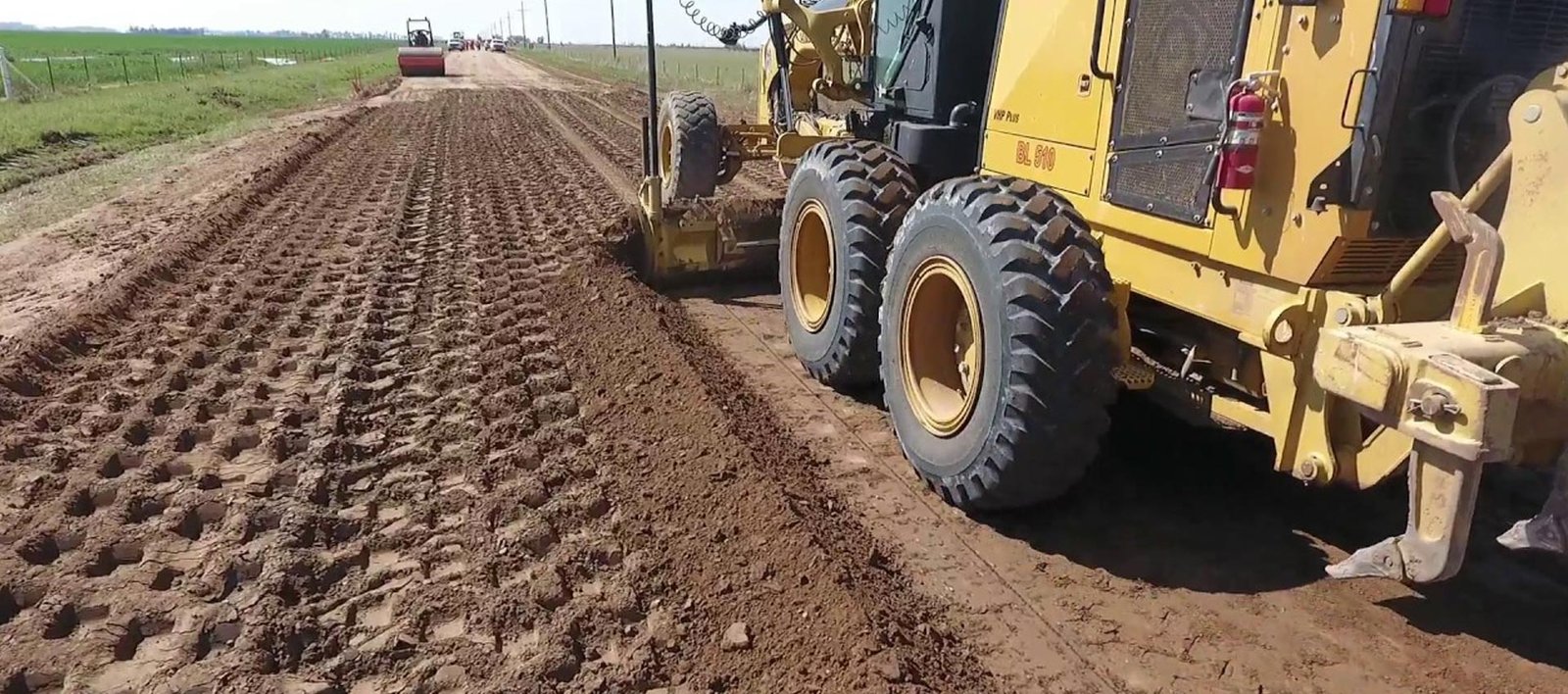
Access is equally important. A drill rig is heavy, and soft or frozen ground can stop it. We plan working platforms, haul routes and spoil handling with concrete foundations and earthwork crews so the rig arrives to a stable pad with a clear path and a place to put cuttings.
Conditions that complicate drilled work
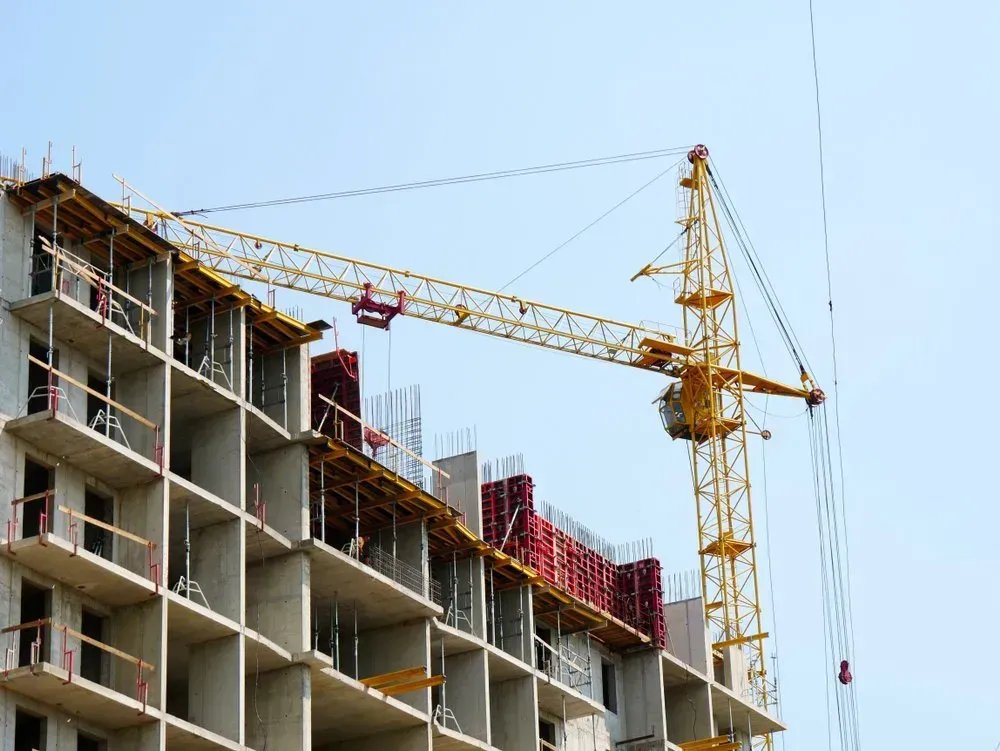
Groundwater, cobbles, cemented layers and caving soils are the common reasons a shaft takes longer than planned. The geotechnical report indicates which are likely, and we price them as defined allowances with unit rates for extra depth, casing and rock tools. That way a surprise at 30 feet is a measured adjustment instead of a dispute.
Hard, repeated loads add another layer. At Wyoming's F.E. Warren Air Force Base, the Sentinel ICBM modernization was projected to bring about $2.6 billion in construction spending to the area, with peak construction expected to bring 2,000 to 5,000 people to the area. Heavy, specialized structures and base access rules affect equipment delivery and inspection timing, so we plan around them early. Owners in the government and public sector should expect extra lead time for escorts and badging.
What we handle directly and what we bring in
We lay out the shafts from survey control, have reinforcing cages fabricated and placed by trusted fabricators and trade partners, and manage concrete placement, testing and records. Drilling is typically done by a specialty contractor with the right rig for the formation, and we supervise it as part of one integrated schedule. That mix gives the owner a single point of accountability.
Our field staff keep the shaft log, which records depth reached, material encountered, water level, cage placement and concrete volume. When the engineer asks about shaft 47, we have the answer within minutes.
Keeping crews clear of open holes and heavy tools
Open shafts are fall and entanglement hazards. We cover or fence every hole as soon as drilling stops, keep a clear exclusion zone around active rigs, and require spotters whenever equipment backs up near workers. Cages and casing are lifted with rated rigging and inspected tags, and no one enters a shaft without a documented confined space plan.
Wind is a safety factor for the crane, not just the foundation. Cages are long and catch wind like sails, so lifts are paused when gusts exceed the rigging limits. We schedule lifting for calmer mornings when we can.

Timing the rig, the pour and the follow-on trades
Piers are often the first trade on the critical path. Once a rig is mobilized, every day counts, so we line up concrete supply, cage deliveries, inspection and testing before drilling begins. A test hole ahead of the full program can tighten the schedule by confirming depth and method.
Large owners on the metro's data-center sites understand the stakes. Meta's Cheyenne project was announced with an opening scheduled for 2027 and more than 1,000 skilled trade jobs at peak construction, and the Cheyenne LEADS chief executive has said data center companies in the city have collectively invested $3.1 billion over the years following 2012. That many trades queue behind the foundations. Our approach to data center construction and to the heavy structures in the Cheyenne data center corridor relies on the same disciplined shaft cycle.
Tall steel buildings follow the same logic. A shaft program for a building served by an overhead crane has to be finished, tested and accepted before the erector can set a single column, which is why we discuss piers early in our crane buildings work. The earlier the foundation questions reach preconstruction estimating, the fewer surprises reach the field, and the less time the rig and the erection crew spend waiting on each other.
Send us the geotechnical report
Share the borings, the foundation plan and the shaft schedule. We will return a drilling approach, a production schedule and a clear price for contingencies.
Common Questions
When are drilled piers a better choice than spread footings?
Piers make sense when near-surface soils cannot carry the load, when uplift is high, or when the building has concentrated column loads. They also help where frost depth or expansive soils would make shallow footings unreliable. The geotechnical engineer makes the recommendation, and we price both options when the design allows.
How do you handle groundwater in a shaft?
We use casing, slurry or dewatering as the report indicates, and we place concrete through a tremie when water cannot be removed. The method is agreed in advance with the engineer so the shaft is accepted at the time of placement.
Can we drill in winter?
Often, yes. Frozen surface soil can slow drilling and make access harder, so we protect work platforms and plan concrete heating. Cold-weather concrete methods apply to every pour.
What does inspection look like for a pier program?
A special inspector watches the drilling, checks depth and bearing, verifies cages and observes the pour. We keep the shaft log and the pour records, and the engineer signs off each shaft before the next phase starts.
How does a pier program affect the building budget?
Piers add a defined cost, but they can reduce excavation, mass fill and settlement risk elsewhere. We provide shaft-by-shaft quantities with unit rates for changes so you can see exactly what the program includes.