Demolition and Site Clearing in Cheyenne
Demolition in Cheyenne: hazardous material abatement, structural and selective demolition, utility disconnection and clean pads ready for new construction.
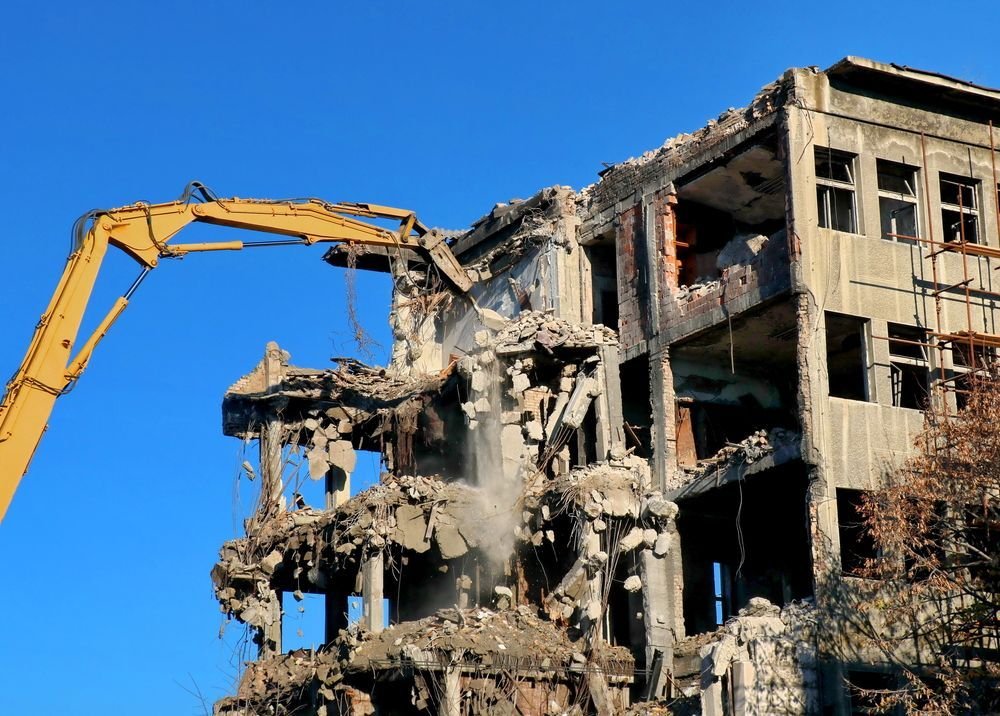
Built in 1927, sold in 2006, damaged by several fires and condemned by the city in early 2021, the Hitching Post Inn is the kind of property that has to come down before anything else can happen on its land. Redevelopment there began with asbestos abatement and demolition expected to take about two months. The pattern repeats across infill sites in the metro: the new building is the headline, but the old one is the first contract.
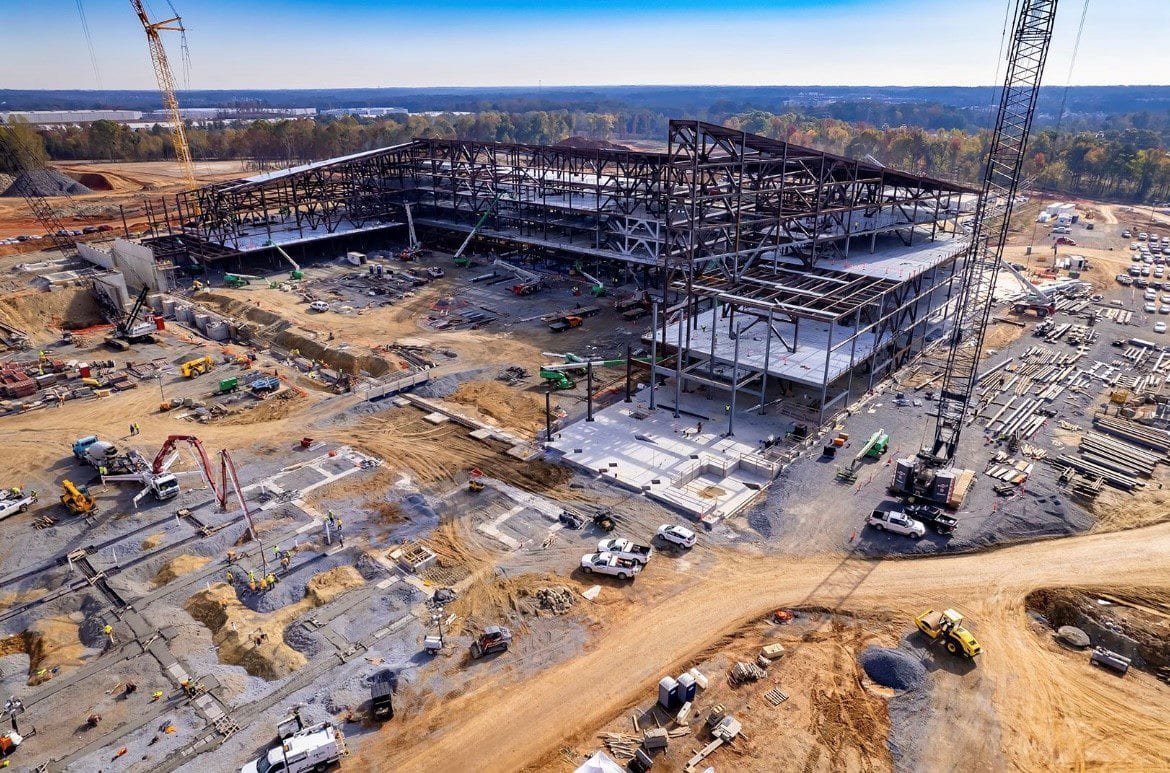
We demolish and clear buildings, slabs, foundations, pavement, utilities and site improvements to leave a clean, graded pad that the next contractor, or we ourselves, can build on. The work can be total, as with a condemned structure, or selective, as with a renovation that strips a building to its frame. In every case, safety, regulation and cost control decide how it goes.
Demolition looks simple from the street and is anything but. Hidden hazards, shared walls, buried tanks, abandoned utilities and neighbors all affect the plan. A good demolition contractor spends more time in planning and surveys than on the machine. We would rather lose a week to a thorough survey than lose a month to a stop-work order.
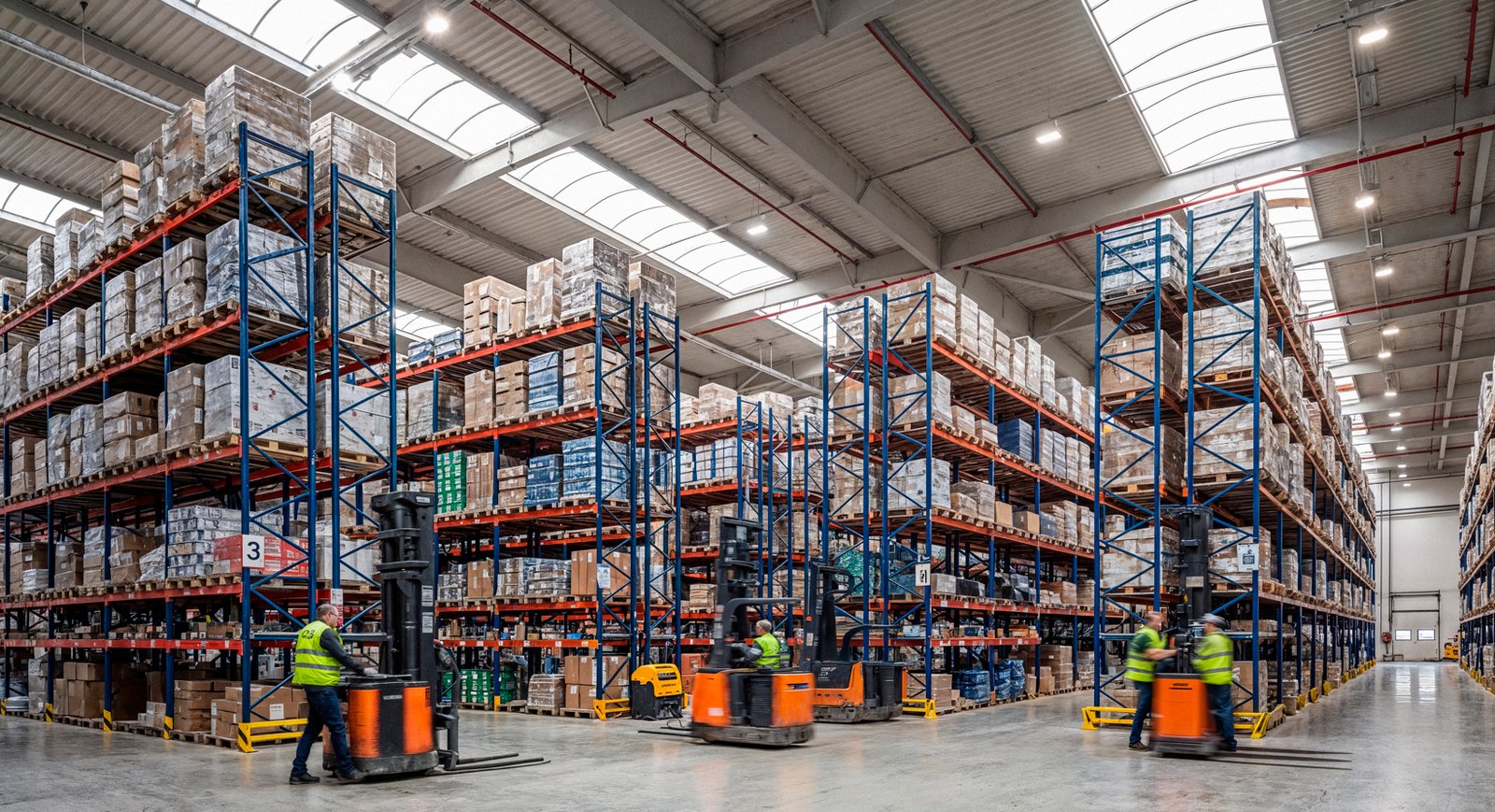
What a clearing job includes
Our scope starts with hazardous material surveys, utility disconnection and permits. Asbestos, lead paint, mercury switches, fluorescent ballasts and other regulated materials are abated by licensed contractors before demolition begins. We then remove the structure by the method that fits the building, such as mechanical demolition with excavators and shears, controlled dismantling or selective strip-out.
After the structure, we remove slabs, footings, basements and buried utilities, backfill voids in compacted lifts and rough-grade the pad. Site fencing, dust control, erosion control and neighboring-property protection run throughout. The finished site is surveyed and handed over with a record of what was removed and where.
Hazards, neighbors and the public
Demolition combines falling debris, unstable structures, dust, noise, vehicle traffic and hazardous materials. We prepare a written demolition plan with sequence, exclusion zones, shoring, equipment, spotters and emergency procedures. Workers receive training specific to the building, and engineers review structures that may collapse in unexpected ways.
Neighbors and the public need protection too. Sidewalks and streets near the site may require closures or covered walkways, and we notify adjacent owners before work begins. Water sprays control dust, vibration is monitored when historic or sensitive neighbors are close, and haul routes are chosen to limit disturbance. These steps cost money, and they prevent far more expensive claims.

Conditions that change a demolition
The age of a building is the first clue. Structures built before modern regulations are likely to contain regulated materials, and older masonry buildings can behave unpredictably when parts are removed. Utility disconnection can be slow, since gas, electric, water, sewer and communications each have their own provider and process, and abandoned lines may not appear on any map.
Weather affects demolition more than owners expect. Wind carries dust and light debris, frozen ground complicates foundation removal and backfill, and summer storms can flood open basements. We schedule demolition for the best conditions we can, and we plan for water in excavations. When the next phase starts, a clean, compacted pad speeds mass grading and foundation work.
Infill land and the demand for cleared sites
The Hitching Post redevelopment is an 80-acre plan announced in September 2021 with a hotel, restaurants, retail and housing, financed in part through a tax increment financing district. The corridor is described on our page for the Hitching Post District, and the lessons apply wherever an old property meets a new plan. A condemned building does not wait for financing, and financing does not wait for a condemned building.
Downtown, the Downtown Development Authority reported in its Q3 2025 update a $3.5 million gap financing program aimed at long-vacant sites known as the Hynds and the Hole, for apartments, ground-floor retail or Class A office. Developers weighing such sites typically want to know what clearing costs and how long it takes, which depends on the buildings, basements and utilities involved. Our approach in the downtown Cheyenne depot district starts there.
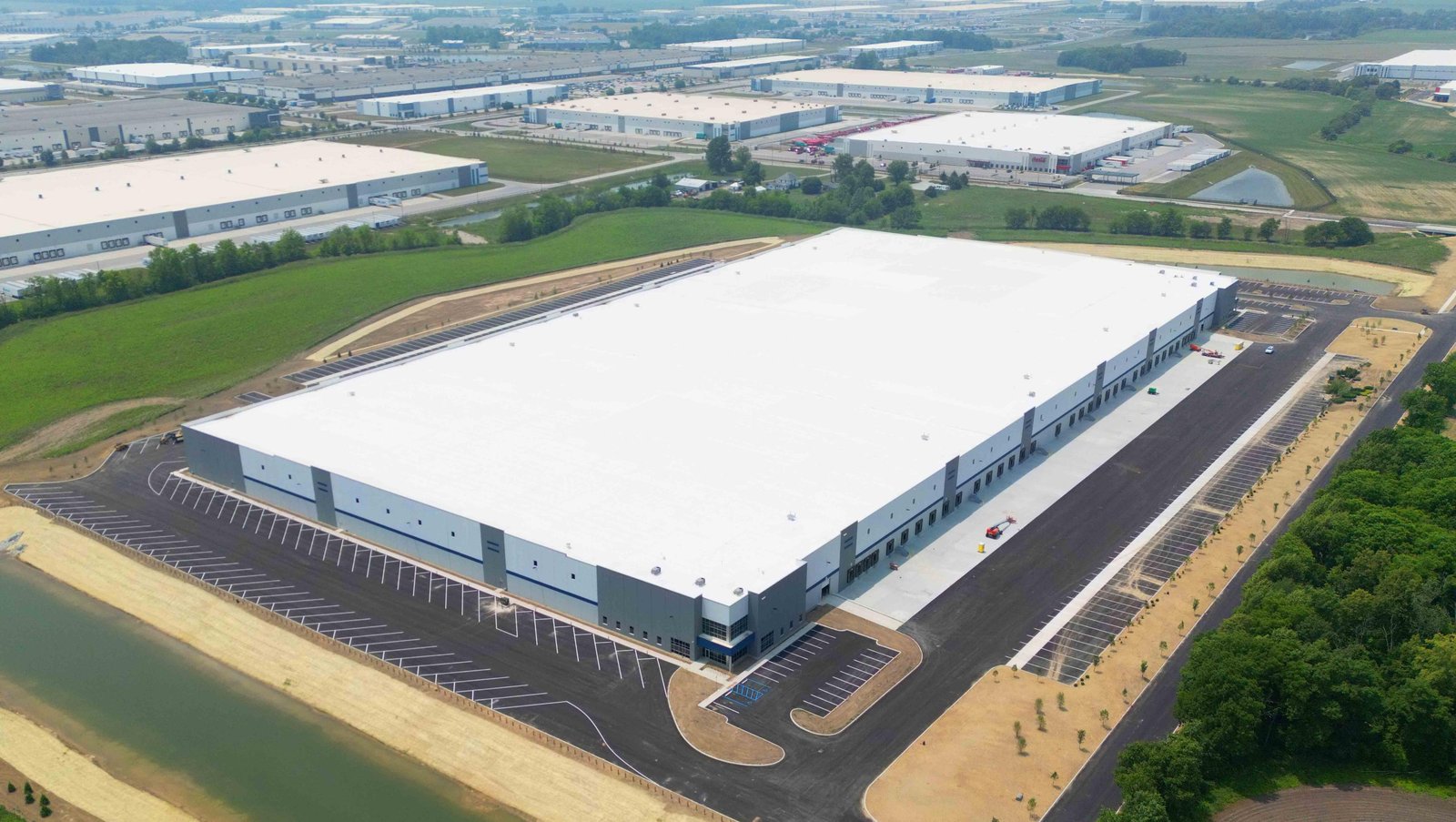
What follows demolition depends on the plan. A cleared lot may become a mixed residential and retail building, described in our mixed-use construction page and in the multifamily and mixed-use building type, or it may become structured parking if land is tight. Knowing the end use early lets us clear the right amount, leave the right grade and save foundations or utilities that the next building can reuse.
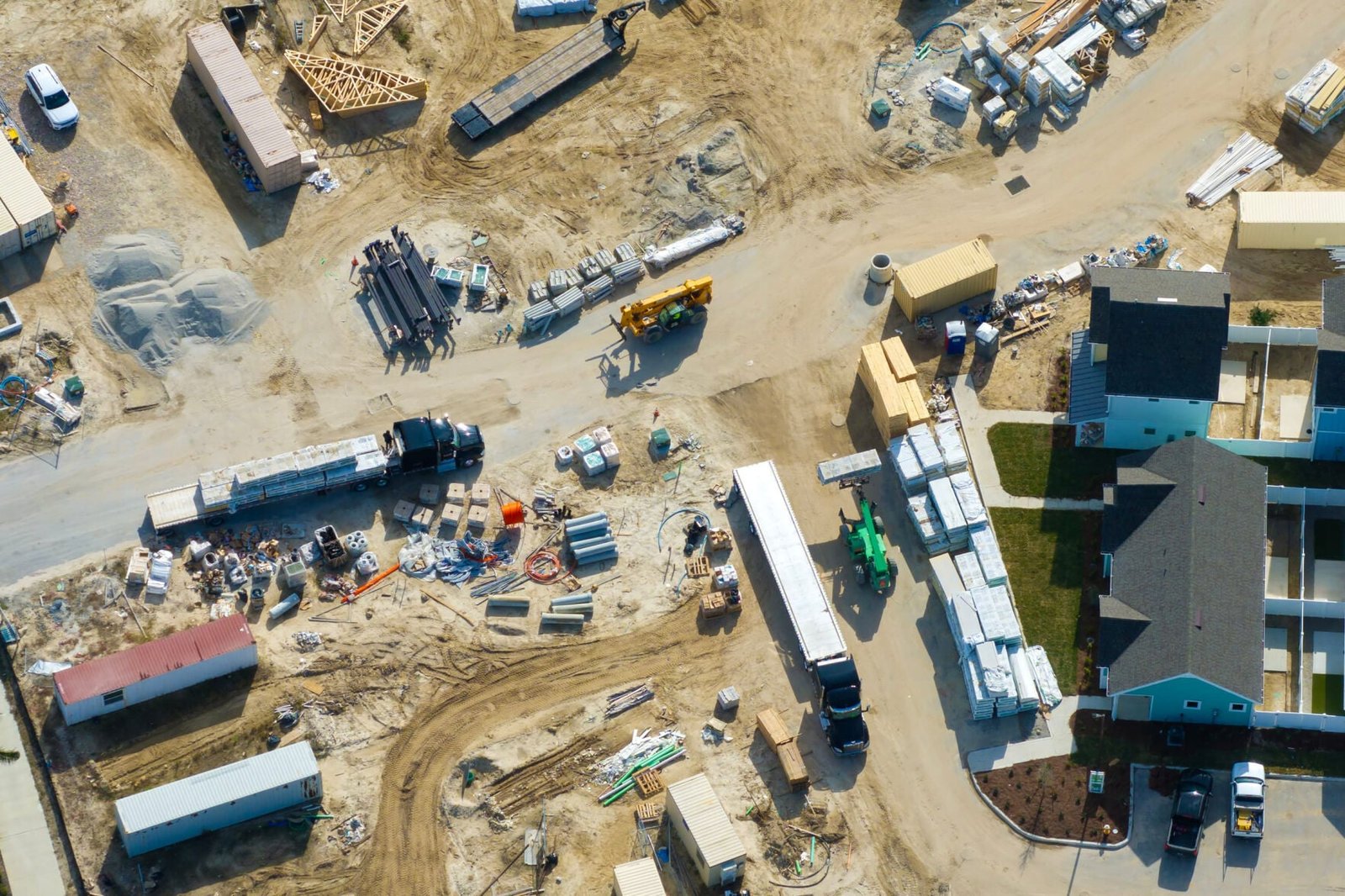
What controls the cost
Hazard abatement is often the largest and least certain item, followed by structure size, construction type, access, haul distance and disposal fees. Selective demolition inside an occupied building is more costly per square foot than open clearing because of protection, hand work and noise limits. We separate each item in the estimate.
Insurance and bonding are part of the price as well. Demolition is a higher-risk trade, and owners should confirm that the contractor carries coverage for damage to neighboring property and for pollution liability when regulated materials are involved. We provide certificates before mobilizing and name the owner and lender as required by the contract.
Salvage and recycling can offset cost. Concrete and masonry can be crushed for fill or base when the engineer approves, steel is recycled, and fixtures or timber may have resale value. Commercial real estate developers usually want a firm price for a clean pad, and we give one with defined allowances for what is below grade.
Send us the address
Tell us what is on the site and what you plan to build there. We will arrange a survey and return a demolition plan and price.

Common Questions
Do I need a permit to demolish a building?
Almost always. Demolition permits are typically issued by the building department and often require utility disconnection letters, asbestos survey results and sometimes notification to state environmental authorities. We handle the paperwork and confirm what applies to your parcel.
How long does a typical demolition take?
Small commercial buildings can come down in days or weeks once abatement and utilities are complete. Larger structures take longer. The Hitching Post redevelopment expected about two months for asbestos abatement and demolition. Surveys and permits often take longer than the demolition itself.
What happens to the debris?
Concrete and masonry may be crushed and reused, steel and metals are recycled, and the remainder goes to an approved landfill. We provide disposal records. Hazardous waste follows a separate regulated path.
Can you demolish part of a building and keep the rest?
Yes. Selective demolition is common in renovations and requires shoring, protection and careful cutting. We coordinate with the engineer so the remaining structure stays stable. See our renovation and adaptive reuse page for the next steps.
What do I get when you finish?
A cleared, graded and compacted pad with utilities capped, a survey and a record of what was removed. If you plan to build, we can continue with site development and utilities and construction.