General Contractor at Cheyenne Regional Airport
Hangars, terminal improvements and support buildings at Cheyenne Regional Airport, built around airfield access, runway closures, wind and historic structures.
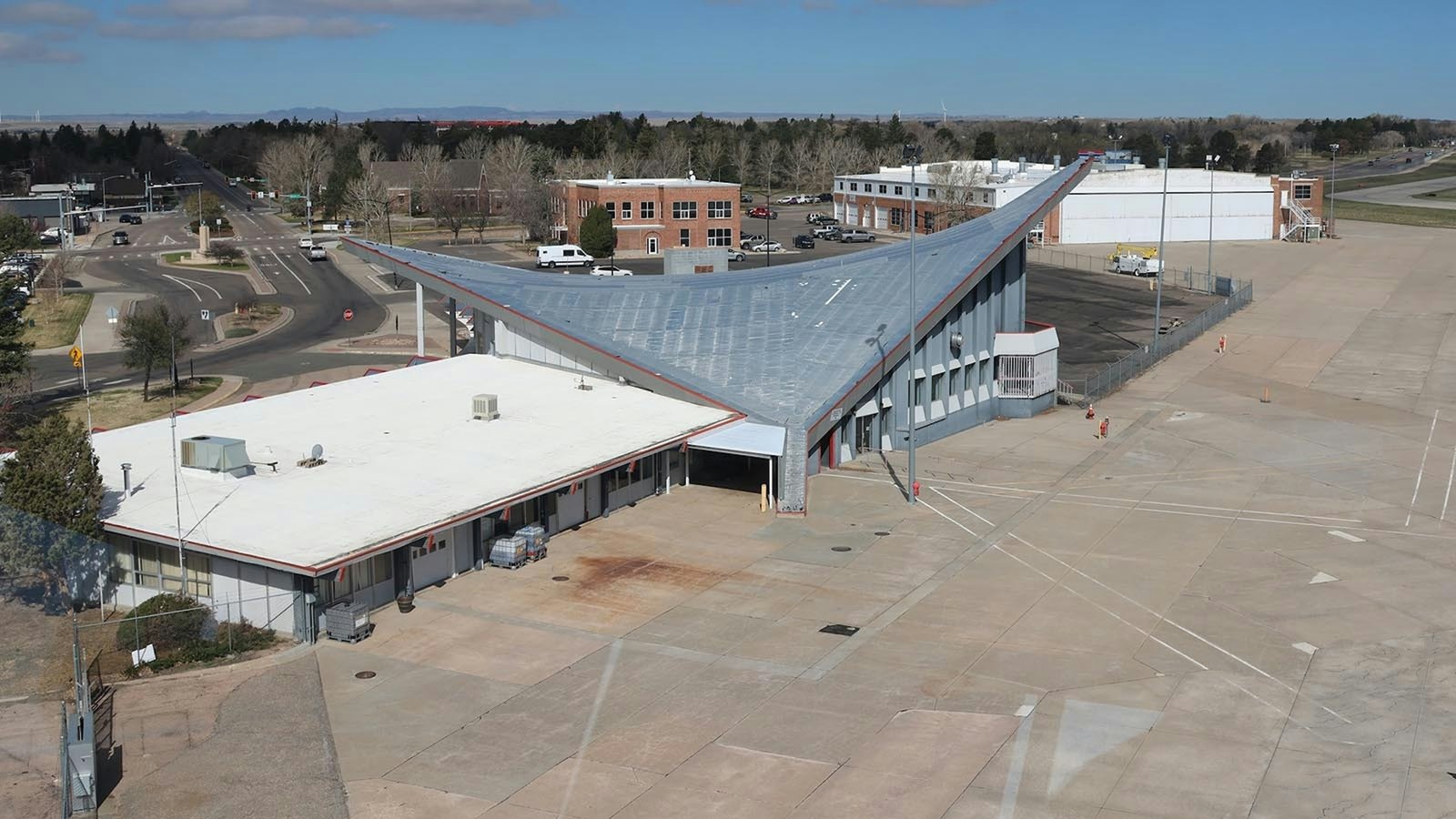
Airside work at Cheyenne Regional Airport runs on someone else's calendar. Flights, military training and runway closures decide when a crane can lift, when a truck can cross a taxiway and when a crew can badge in, and a general contractor who treats the airfield like an ordinary site will lose weeks. We build hangars, terminal improvements, support buildings and landside facilities at and around the airport with the airfield's rules written into the schedule on day one.
The airport covers 1,060 acres about a mile north of downtown at 6,160 feet, with a 9,270 foot by 150 foot concrete main runway and a shorter crosswind runway. It shares the field with the Cheyenne Air National Guard Base, which occupies about 77 leased acres and hosts the 153d Airlift Wing flying C-130H aircraft, so civilian and military activity both shape access.
For owners and tenants, that means every project involves at least two sets of requirements: the airport's own operating rules and, where a military or federal interest exists, additional security and review steps. We plan for both from the start and keep the owner informed of the status of each approval.
A small commercial airport with a large footprint
The current passenger terminal opened in November 2018 at 4020 Airport Parkway West, close to downtown and I-25, with two gates and free parking. SkyWest, flying as United Express, carried 58,850 arriving and departing passengers in calendar 2025, which shows the scale: modest passenger volume, but a facility that needs to function every day of the year in a high-wind, high-elevation environment.
A jet bridge was installed in 2023 at a cost of about $2 million, and runway reconstruction that year suspended airline service from April 4 to August 31, with flights resuming September 10. That sequence is instructive. Even airfield work that closes the commercial service completely was completed in a defined window, which tells prospective tenants that major airside construction can be planned with a start and a finish when the owner and the contractor agree on phasing early. Our government and public sector process is built for that type of public owner.
Hangars, terminal space and support buildings
The airport's main building needs fall into a few groups. Aircraft hangars for private owners, charter operators and maintenance shops need large clear spans, tall doors, fire suppression suited to aircraft and slabs designed for aircraft loads and floor drains. Terminal and passenger improvements need public-area finishes, accessibility and security. Support buildings include rental car facilities, fuel and ground-handling buildings and public works shops.
Landside commercial uses such as hotels, offices and light industrial buildings are the third group. The airport sits near the downtown core and I-25, so it is close to the market described on our downtown Cheyenne depot district page. For steel hangar frames, we rely on our structural steel erection process.
Working inside the fence
Airfield safety rules go well beyond ordinary construction safety. Contractors must control vehicle access, mark and light equipment, keep the work area clear of foreign objects that could damage aircraft and respect height limits for cranes and temporary structures. We assign a responsible safety coordinator, brief every worker on airfield rules and run daily checks of the work zone, because one loose item on a taxiway can close an operation.
Where military operations are nearby, we also follow the badging, escort and photography restrictions that apply. A project that crosses between civilian and military ground can have different access rules on each side, and we sort those out in advance so crews are not turned away at a gate. If you also work on the base itself, see our page on F.E. Warren Air Force Base.
Phasing around flights and closures
Airfield schedules are built around operations. Paving and runway work happen in windows set by the airport and federal requirements, and the 2023 reconstruction closure shows how long those windows can be. We lay out the work in phases that match: submittals and procurement during the lead-up, a tight construction window during the closure and closeout and inspection immediately afterward.
For hangars and buildings on leased land, the big schedule items are lease approval, design review and permit review. We help owners track each of these, because they often take longer than the construction. In the high-wind season, crane lifts and metal panel installation need float in the schedule, since an open airfield offers little shelter from wind.
Permits, historic structures and approvals
A project on airport land can involve the airport authority, the city or county building department and, where federal funds are used, additional federal requirements. Wyoming does not have a single statewide building code, so we confirm the adopting jurisdiction and the code editions for each project. Laramie County adopted the 2024 International Building Code effective January 1, 2025, and the city's adoption package was before its governing body in early 2025.
The airport also holds history. The Boeing and United Airlines terminal building, hangar and fountain, built between 1929 and 1934, are on the National Register of Historic Places, and the former terminal has been proposed for conversion to an aviation museum. Work on or near a registered structure requires preservation review and careful methods, and our renovation and adaptive reuse team has the approach to match.
Plan airport-area work
Tell us the building, the lease status and the operating limits. We will map the approvals and closure windows and give you a schedule that works around flights.
Common Questions
What makes airport construction different from other sites?
Access, security and height are all controlled. Equipment must be marked and lit, workers must be badged and briefed and cranes need clearance review. We build those controls into the plan, and we coordinate closures and phasing with the airport before the schedule is final.
How long can a runway closure last?
In 2023, runway reconstruction suspended airline service from April 4 to August 31, with service resuming September 10. That is a useful reference for how long major airfield work can take, though each project depends on its own scope.
Can a private owner build a hangar at the airport?
Generally, hangars on airport land are built on leased ground, so the lease, airport approval and design review come first. We help owners work through those steps and then build the hangar to the required code and fire standards.
Does the Air National Guard presence affect construction?
It can. The Cheyenne Air National Guard Base occupies about 77 leased acres at the airport, so military access and security rules may apply near that area. We confirm them during planning.
How does historic status affect work on older airport buildings?
The Boeing and United terminal building, hangar and fountain are on the National Register of Historic Places, so work on them requires preservation review and compatible methods. We plan for those reviews and for the cost of careful repair.