Tenant Improvements in Cheyenne
Tenant improvement construction in Cheyenne: office, retail and medical suite build-outs managed against lease dates, landlord rules and permit review.
A signed lease starts a clock, and a tenant improvement is the work that has to beat it. Rent may begin on a fixed date whether or not the suite is finished, the landlord's allowance may expire, and the tenant's staff or customers may be waiting. In Cheyenne, where much of the commercial space is in shopping centers, business parks and older downtown buildings, build-outs come with their own rules, and learning them early saves weeks.
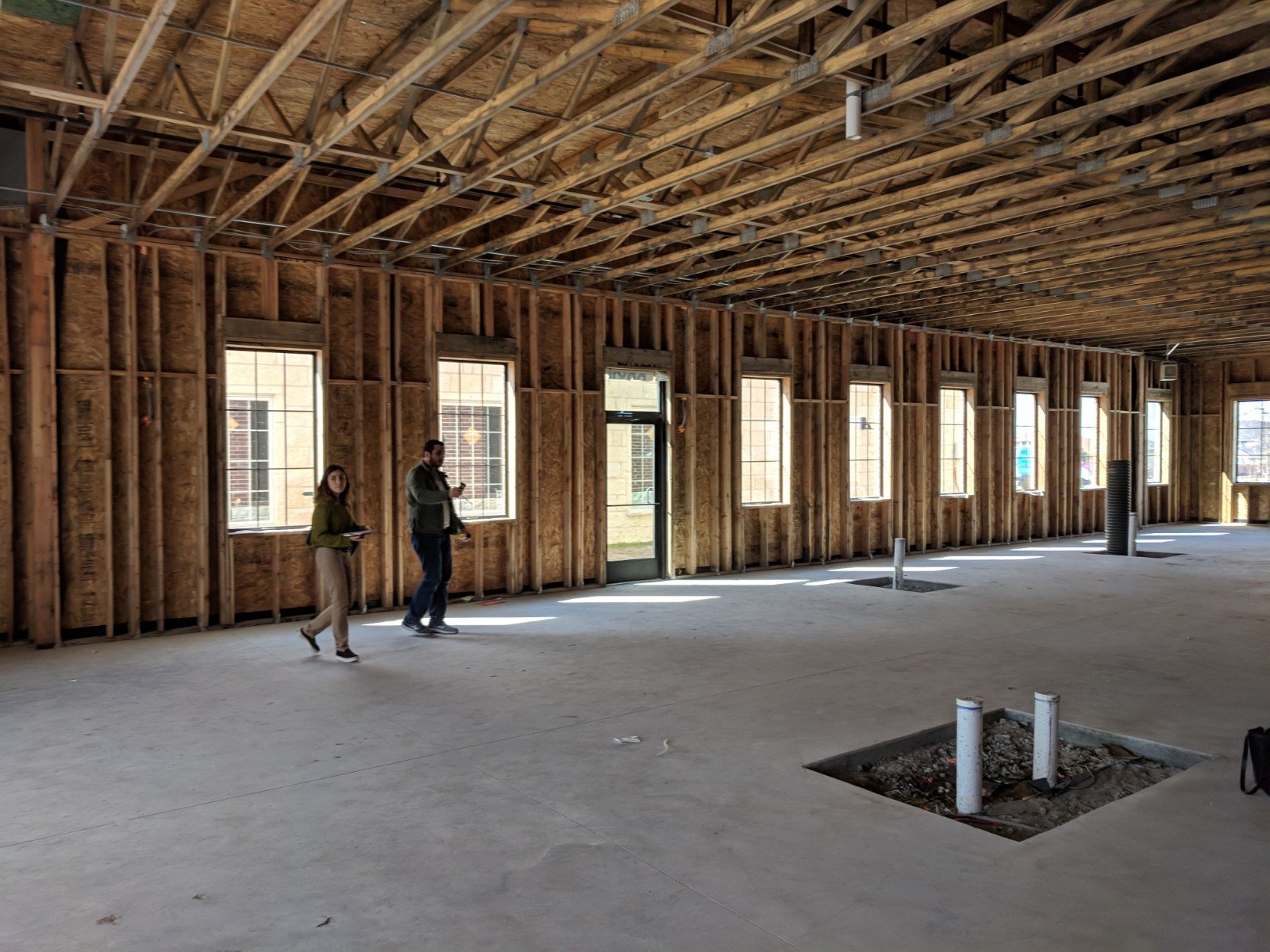
We build tenant improvements for offices, clinics, restaurants, retail shops, showrooms, light industrial suites and professional services. The scope may include demolition of old finishes, new partitions, ceilings, flooring, doors, millwork, plumbing, electrical, mechanical changes, fire protection, low-voltage systems and signage. Each is coordinated with the base building and with the landlord's requirements.
A tenant improvement is also a negotiation between three parties: the tenant, the landlord and the building. We keep all three informed, with a weekly update, a clear approvals log and an honest view of what the schedule can and cannot do.
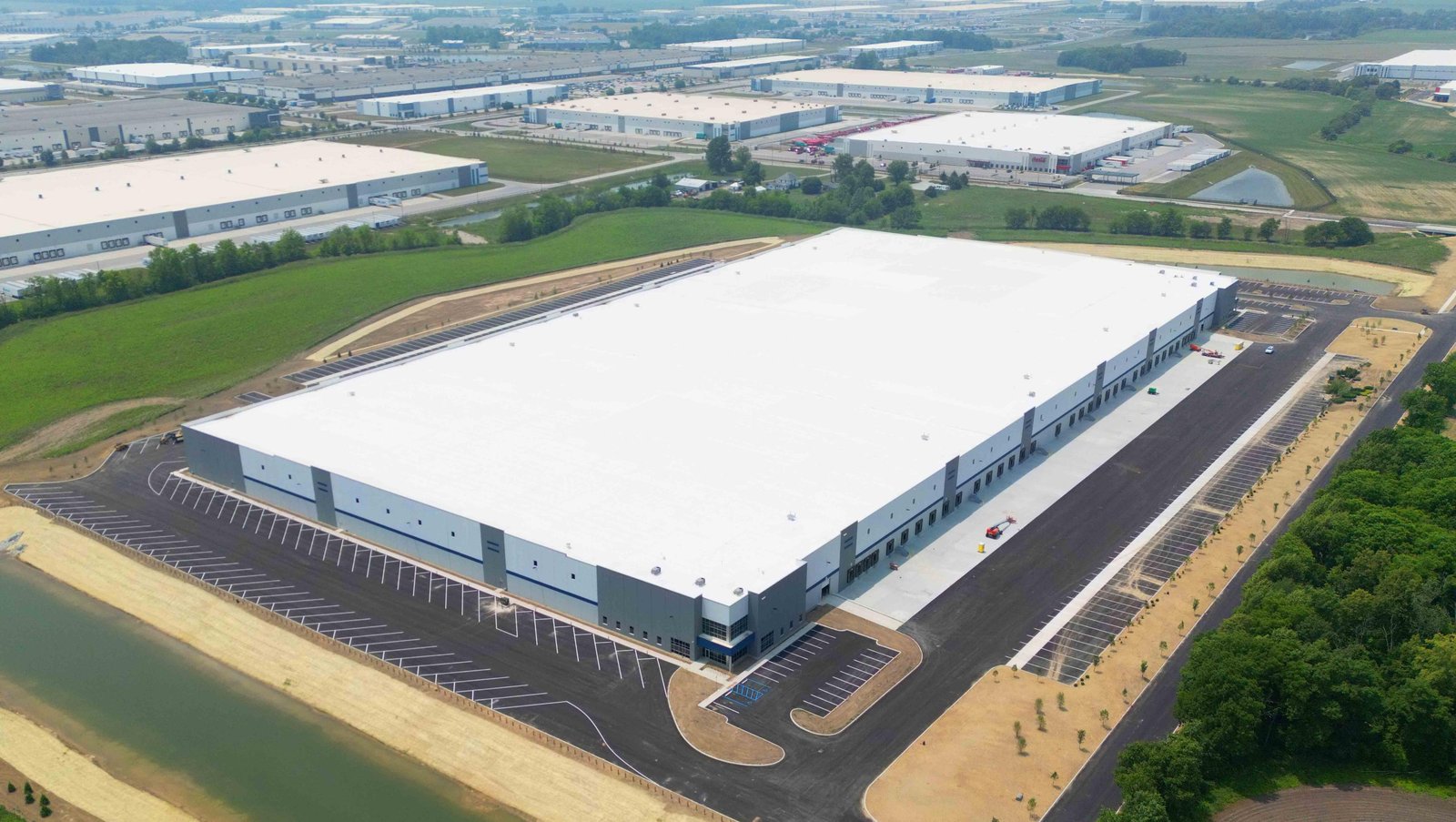
Suites and spaces we build out
Frontier Mall opened in 1981 as a single-level, 519,471 square foot mall with 67 shops, and its major tenants today include JCPenney, Dillard's, Bomgaars, Planet Fitness and Appliance Factory Mattress Kingdom. Inline shops in a center like that have set rules for storefronts, signage, deliveries and working hours, and we follow them. Our related work on retail shopping centers covers the base building side of the same story.
Offices and medical suites carry other demands. Office tenants want acoustics, cabling, conferencing and flexible layouts, and our office building construction page explains the shell conditions we meet. Clinics and practices bring plumbing, medical gas, imaging shielding and infection control, discussed in medical office construction.
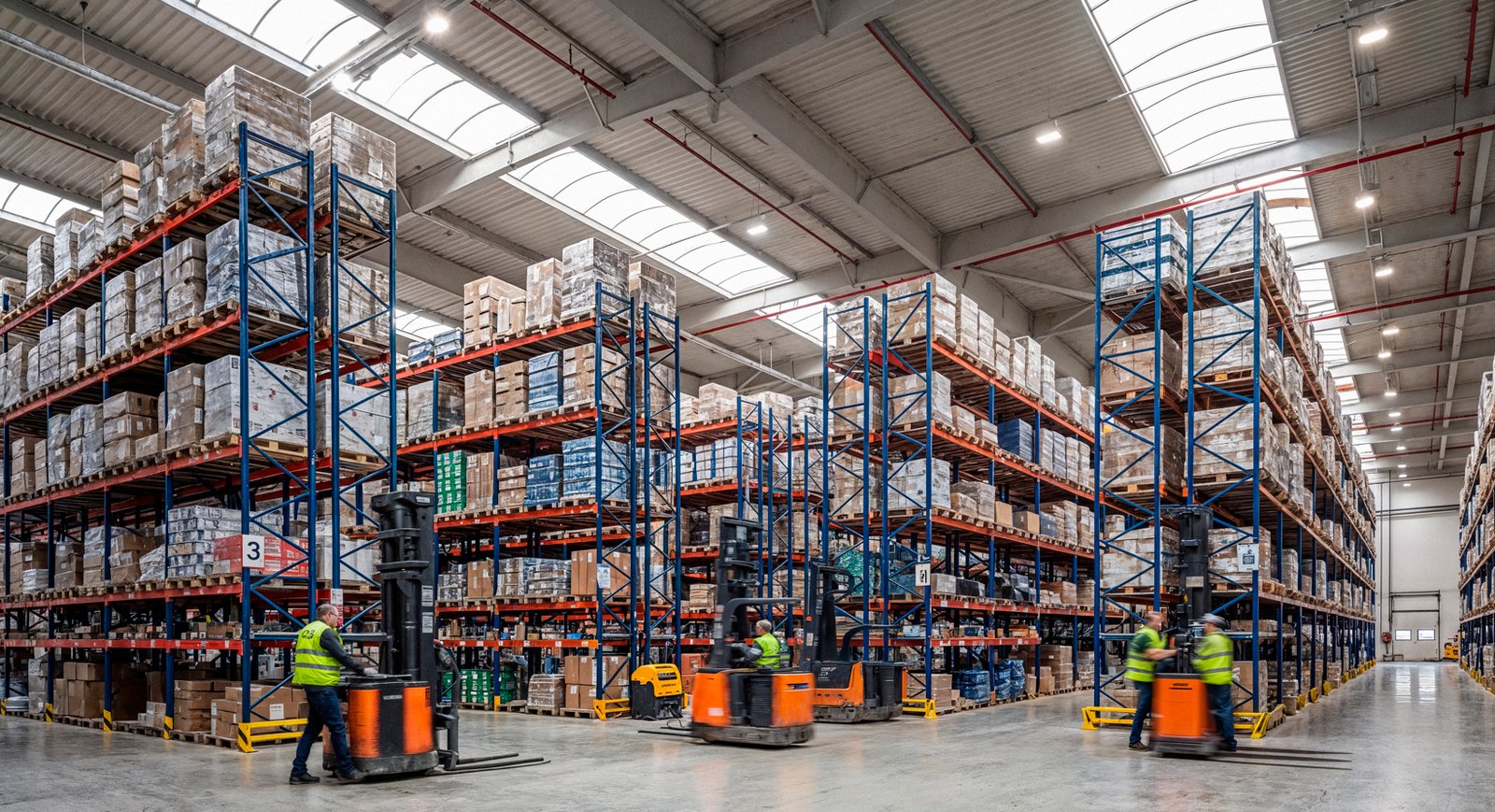
From survey to keys
We begin with a field survey of the suite: ceiling heights, structure, existing mechanical and electrical systems, fire protection and the condition of the slab. The survey often reveals problems that drawings missed, such as an undersized panel, a missing sprinkler head or a ceiling grid that cannot carry the planned load. We report them before pricing, with options.
Construction follows a standard order: demolition, rough-in, inspection, close-up, finishes, fixtures, testing and punch list. We keep the sequence tight because each wait costs a week. Long-lead items such as storefront glass, specialty lighting or millwork are ordered immediately after the design is approved, and the schedule leaves room for the landlord's inspections.
Low-voltage and technology work deserves its own line in the schedule. Cabling, access control, security cameras, audio-visual systems and telephone service often involve separate vendors with their own lead times, and the ceiling cannot close until they have finished. We invite those vendors to the preconstruction meeting and give them access dates in writing, so the last two weeks of the job do not turn into a scramble.
Working inside someone else's building
Most tenant improvements happen next to other tenants. Noise, dust, deliveries and access to loading areas have to be coordinated with the landlord and the neighbors. We follow building rules on work hours, elevator reservations, protection of common areas and notice for utility shutdowns, and we assign one superintendent to be the contact for the property manager.
Where the space is part of a larger occupied facility, the practices in phased construction on occupied sites apply as well. Utility shutdowns for the sprinkler system, electrical panel or HVAC need written notice and a plan, and they are scheduled at the landlord's convenience.
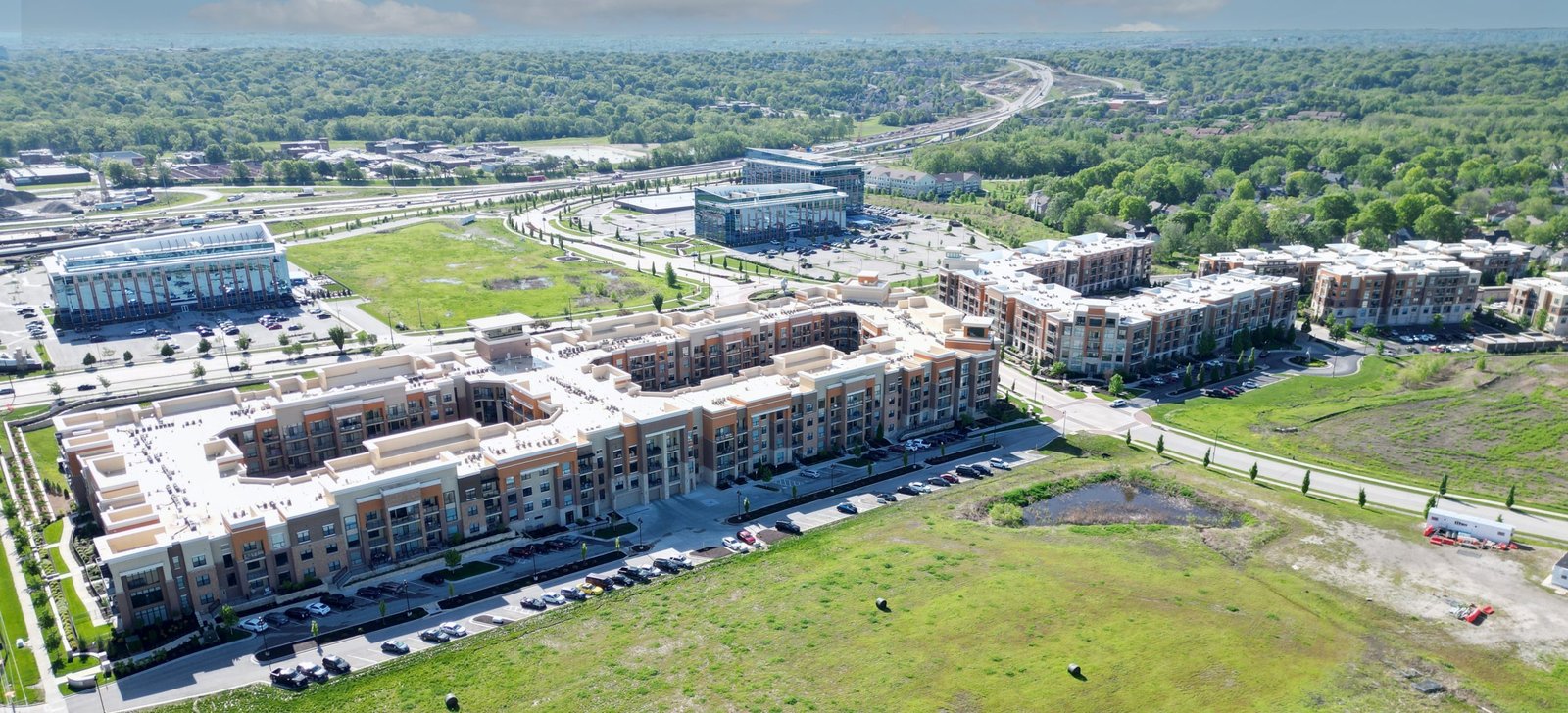
Permits and landlord approvals
A tenant improvement needs two approvals: the landlord's and the building department's. The landlord reviews plans for structure, systems and appearance, while the building department reviews for code compliance, including egress, accessibility, fire protection and energy. Change of occupancy may trigger more requirements, so we ask early whether the new use is different from the old.
Wyoming does not have a single statewide building code, so the editions and amendments that apply depend on the jurisdiction, as the International Code Council notes. We confirm which code the local department is enforcing for your suite and design accordingly. Our team also prepares the closeout documents the landlord expects, including as-builts and warranties.

What decides the cost of a build-out
The condition of the shell is the biggest variable. A vanilla shell with stubbed utilities is far cheaper to finish than a second-generation suite with unknown conditions. Allowance, finishes, mechanical changes and the level of detail in millwork and lighting follow. We prepare estimates with clear assumptions and allowances so tenants can compare bids fairly.
Landlords often offer an allowance, and the way it is paid can affect cash flow. We prepare invoices and lien waivers in the format the landlord requires, so the draw is not delayed. Where a building has high-volume natural gas, electricity and redundant fiber already in place, as the Cheyenne Business Parkway does, the infrastructure question is mostly settled, which helps property management firms plan suite build-outs with fewer unknowns.
Downtown and older buildings
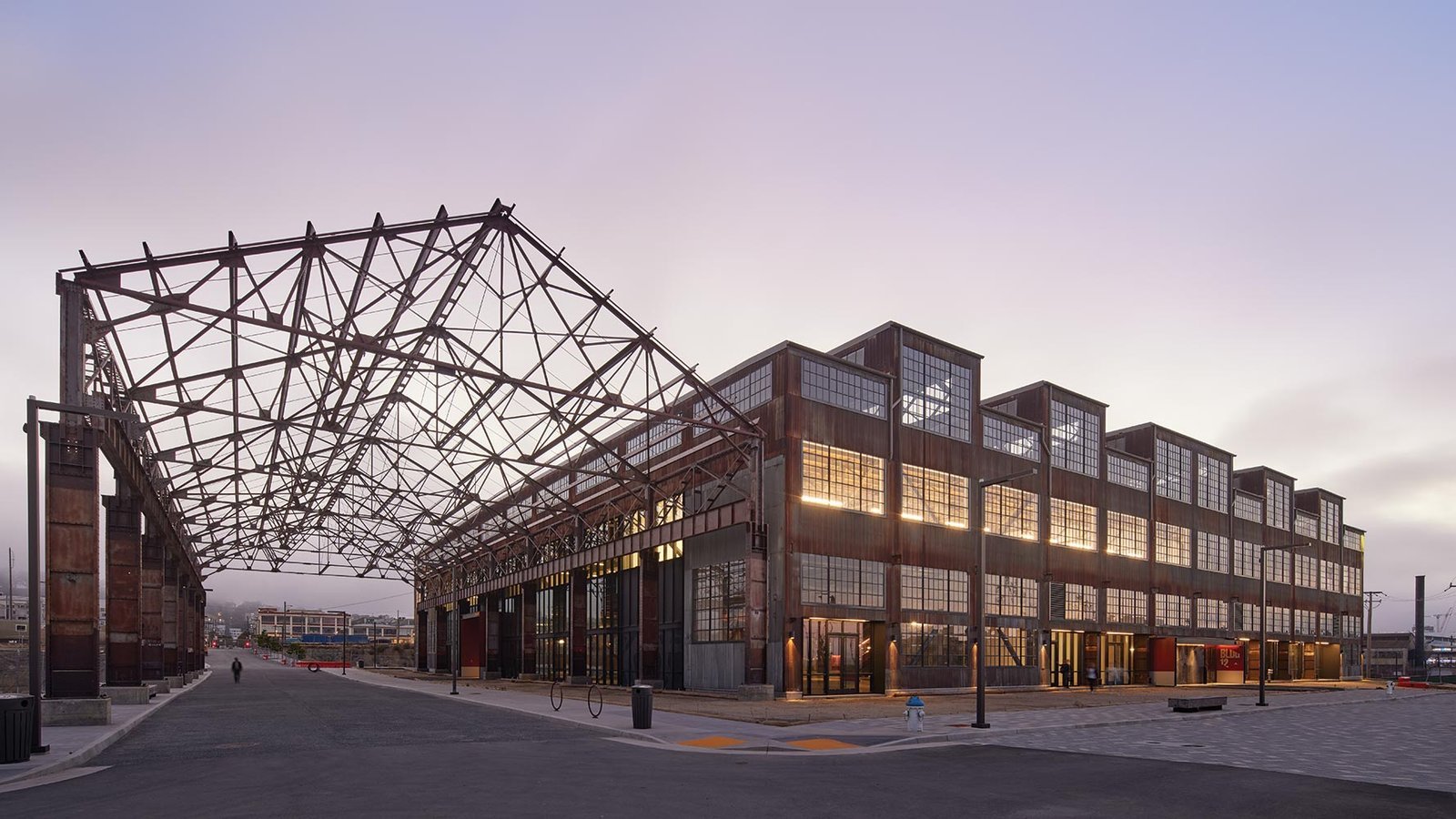
Downtown Cheyenne's historic district covers 205 acres and 67 buildings, and the City's Downtown Development Authority reported a $3.5 million gap financing program aimed at long-vacant sites. Older buildings hold character and surprises: plaster, masonry, uneven floors, old wiring and plumbing that does not follow the plans. We survey before we price and carry an allowance for what we cannot see.
Our work in the downtown Cheyenne depot district and the Cheyenne Business Parkway follows the same philosophy. We ask questions first, price the unknowns clearly and keep the tenant informed while the work proceeds.
Tell us about your suite
Send the lease, the floor plan and your target move-in date. We will walk the space and return a schedule and a price you can plan around.
Common Questions
How long does a typical build-out take?
It depends on size and complexity, but permit review, long-lead items and landlord approvals usually decide the schedule more than the actual construction. We lay out the critical path at the start and update it weekly. Early ordering of long-lead items is the best way to shorten it.
Who pays for the improvements?
That is set in the lease. Landlords often provide an allowance, and the tenant pays the rest. We prepare estimates that separate allowance-eligible work from tenant-paid items so the accounting is clear.
Do I need a permit for a small remodel?
Often yes, if the work involves walls, plumbing, electrical, mechanical or life safety. Cosmetic work like painting may not. We ask the building department when the scope is unclear.
Can you work after hours?
Yes. Many landlords and tenants prefer noisy or dusty work at night or on weekends. After-hours labor costs more, and we show it as a separate option.
What if we find asbestos or other hazards in an older suite?
We stop work in the area, notify the owner and bring in a qualified abatement contractor. Testing before demolition in older buildings avoids this, and we recommend it as part of the survey.