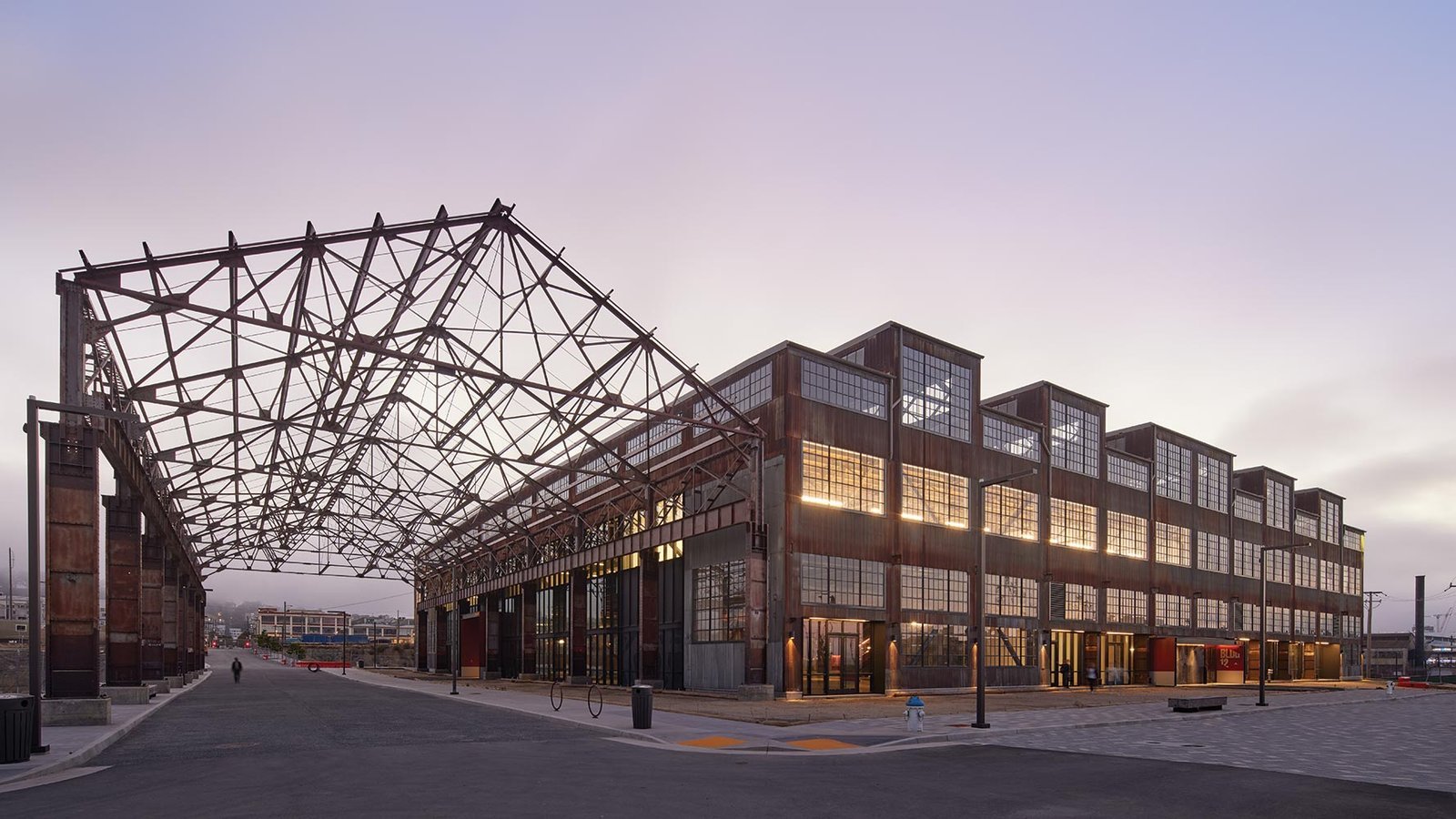
Retail and Shopping Center Construction in Cheyenne
Retail and shopping center construction in Cheyenne: pad sites, strip centers and mall work timed around the Dell Range Boulevard and Whitney Road rebuild.
Dell Range Boulevard is being rebuilt east of Whitney Road on a new alignment, with a new South Frontage Road and signals at US 30 and Whitney Road, under the WYDOT Cheyenne Streets Project announced on June 5, 2026. That work decides which retail pads become easy to reach and when, and any owner planning a store or center on that side of town has to read it before choosing a start date. Retail is as much about access as about the building.
We build ground-up shopping centers, single-tenant stores, pad sites, large junior-box stores and renovations of existing centers. The common thread is the opening date: a store that misses its window pays for it in rent, fixtures and lost sales, so our planning starts with the tenant's calendar and works backward. That includes how fixtures and merchandise arrive, when the landlord turns the space over and how quickly we can get a certificate of occupancy.
Because many of the buyers we serve are developers and national or regional tenants, we are used to working from prototype drawings and adapting them to Cheyenne's wind, snow and local review. Retail chains expanding here often discover that a prototype built for a milder market needs heavier roof framing and storefront, and we raise those adjustments at the start.
The Dell Range corridor and beyond
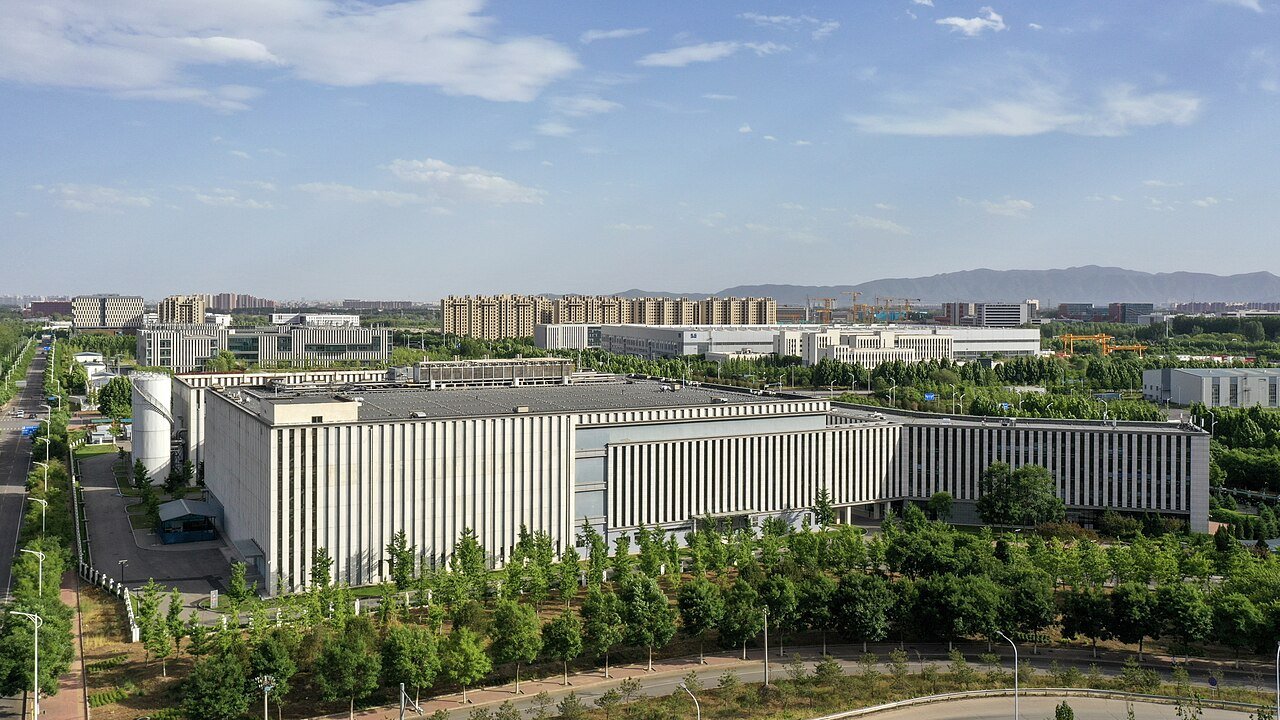
Frontier Mall at 1400 Dell Range Boulevard opened March 18, 1981 as a single-level, 519,471 square foot mall with 67 shops. That corridor is the established center of regional retail, and the road reconstruction is changing how traffic reaches it. The Storey Boulevard extension, built to relieve Dell Range, is expected to lift traffic on Storey from about 84 to about 3,500 vehicles per day, which opens new frontage for pads and small centers.
A second retail center of gravity is near the interchange of I-25 and I-80, where the planned Hitching Post development was announced in September 2021 as an 80 acre project with a hotel, restaurants, retail and a residential area. Travelers using the interstates add a different customer from the Dell Range shopper. We describe both areas on our Dell Range and Frontier Mall and Hitching Post District pages.
Access, drainage and snow on the site
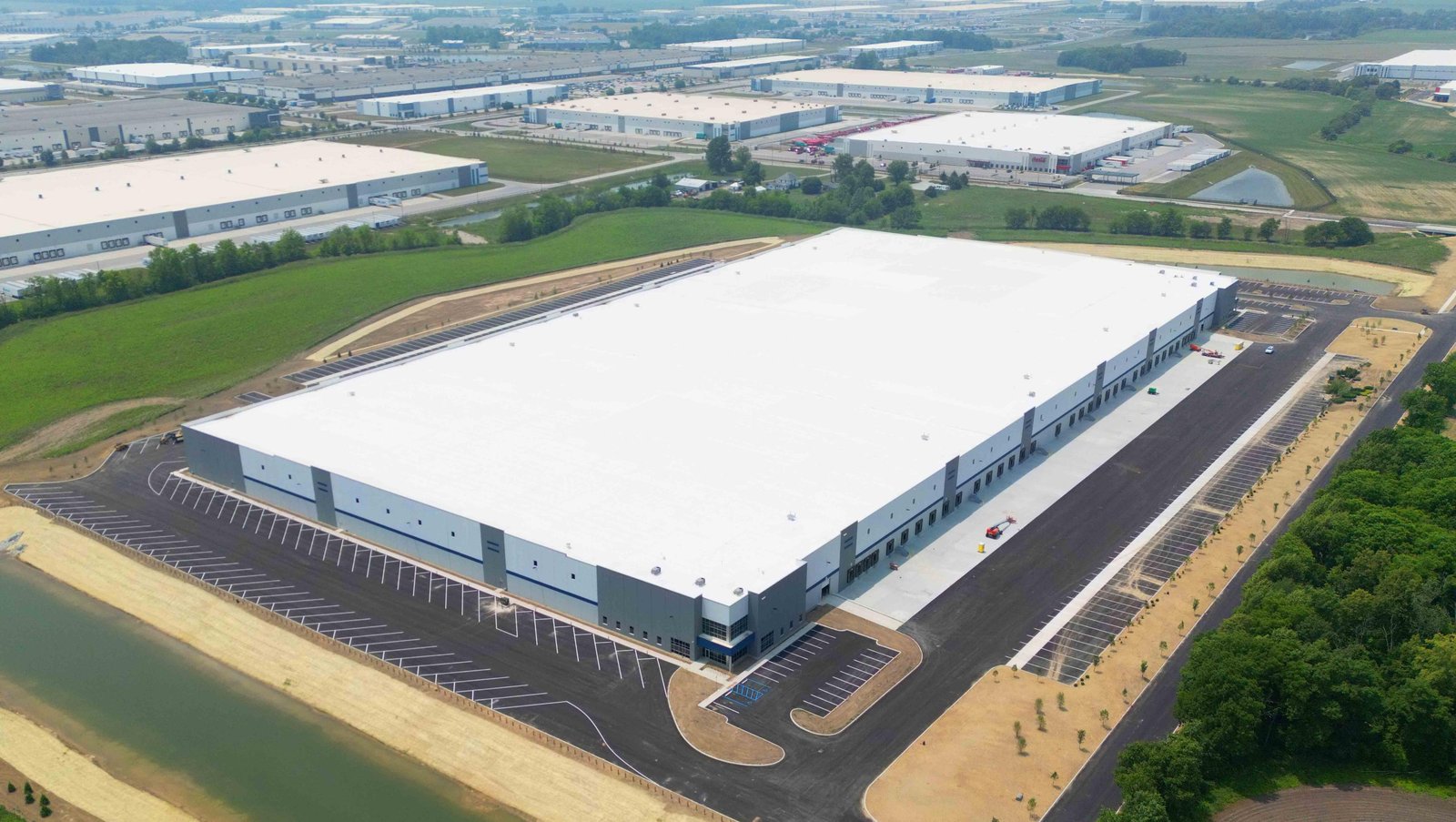
Retail sites live and die by curb cuts, turning lanes and the signal timing of the adjoining street, so we involve WYDOT and the City early where a driveway touches a state or city road. Grading and drainage need equal attention, since a large paved lot sheds a lot of water and snowmelt, and the detention design has to be consistent with the City's review. Snow storage gets a place in the plan too, or the lot loses stalls to piles by January. For the pavement itself we price parking lot construction with a sub-base suited to frost.
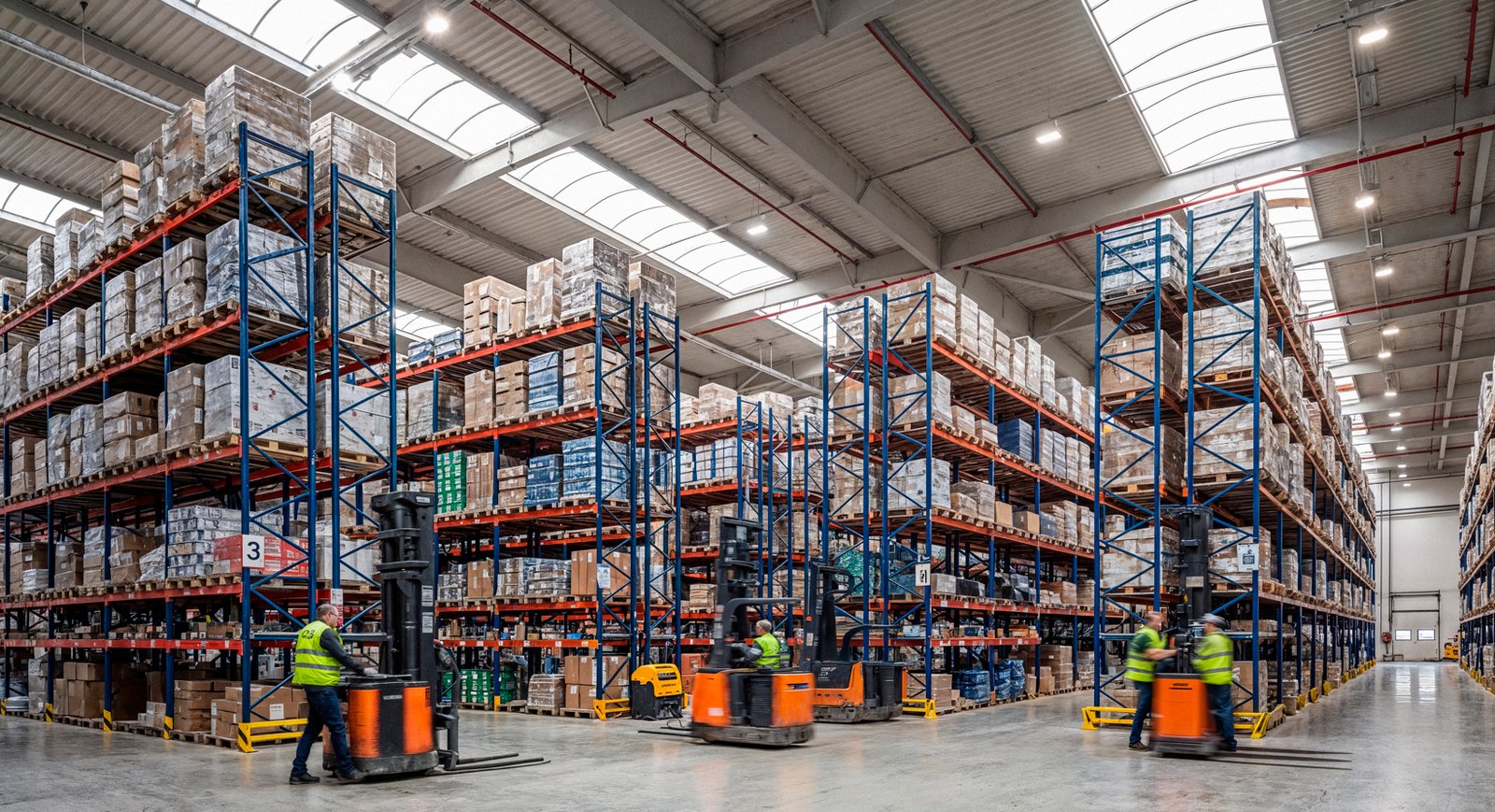
On the building, parapets and rooftop units create drifting snow loads that a flat design snow value does not capture, and wind loads on tall storefronts need to be engineered for the local 105 mph design speed shown in Laramie County's criteria. Delivery docks and service courts matter for grocery and big-box tenants, and we treat the concrete in those areas as heavy-duty, as described under truck courts and dock aprons.
Formats we build
Strip centers with small-shop tenants and a drive-through pad remain the workhorse of suburban retail. Junior-box tenants of 20,000 to 40,000 square feet bring their own structural and roof requirements. Free-standing restaurant and service pads sit at the edges, and we coordinate those with the shell so the shared parking and utilities work for everyone. See restaurant construction for the kitchen-specific side.
Existing centers are the other half of the work. Mall renovations, storefront replacements, canopy additions and tenant demising all require us to keep stores trading while we build. Our work in the retail shopping center category covers new and existing formats and the tenant-by-tenant coordination they require.
Building to the tenant's opening date
Retail schedules are fixed from the end. A tenant with a grand opening needs the building delivered early enough for fixtures, stocking and training, so we publish a milestone schedule that shows each of those turnovers. Cold-weather pours, roof dry-in and interior start dates are laid out so that interior finishes begin in a heated space.
Where a landlord delivers the shell and the tenant builds out, we align the turnover condition in writing: slab elevations, utility stubs, storefront opening and roof penetrations. Misaligned turnover conditions are among the most common causes of delay, and a short list agreed in advance prevents most of them.
Where retail dollars go
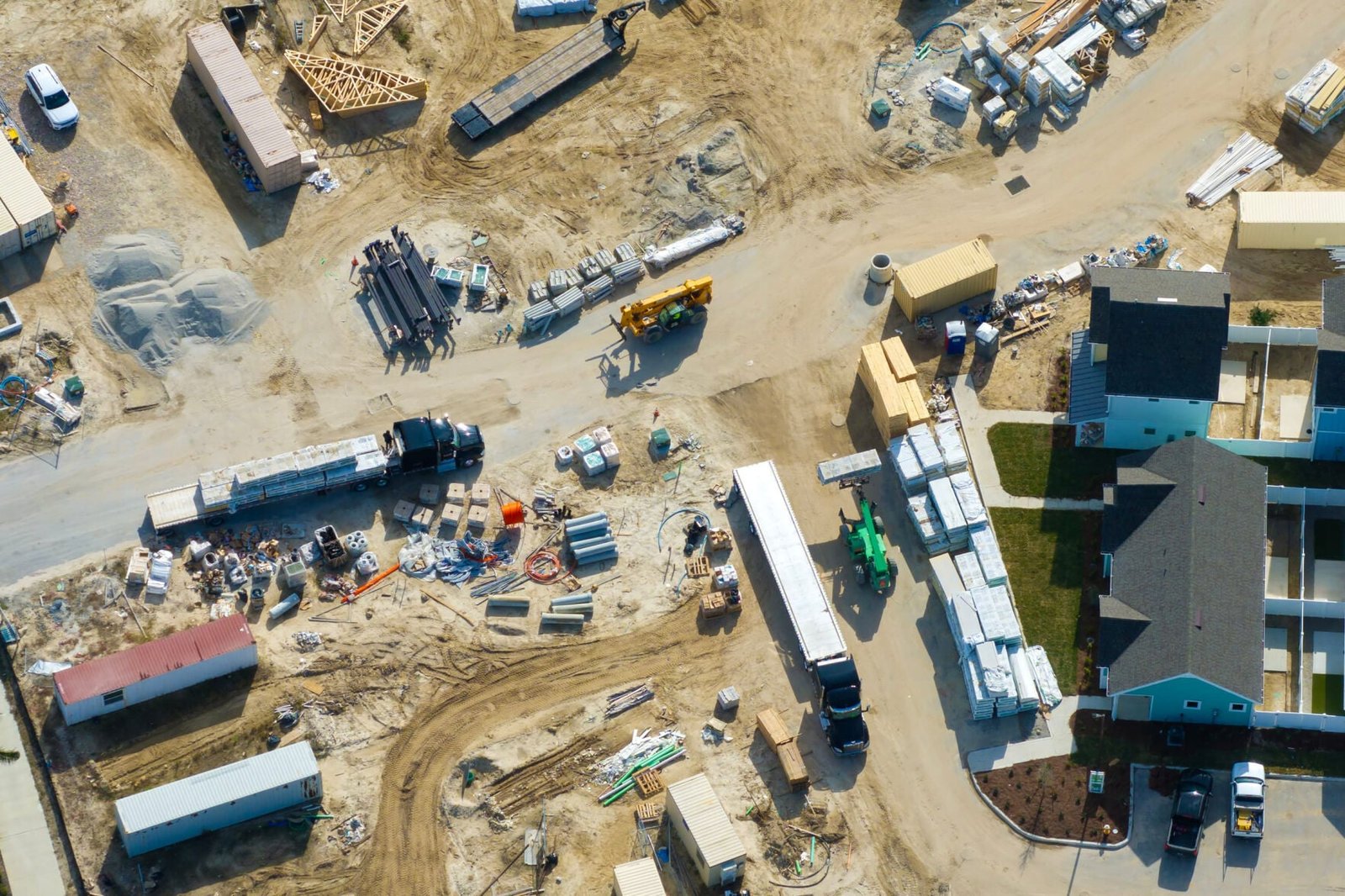
In shopping center work the site often carries as much budget risk as the building. Grading, utilities, paving, lighting and landscaping can make up a large share of the cost of a pad site, and those numbers swing with soils and distance to the nearest main. The shell is relatively predictable, while the interior varies with the tenant, so we keep landlord work and tenant work in separate budgets and track allowances against them.
Owners can lower cost by simplifying the roof, standardizing storefront modules and releasing early the items that carry long lead times, such as rooftop units and electrical gear. When a retail owner wants help with a series of locations, see how we handle programmatic multi-site rollouts.
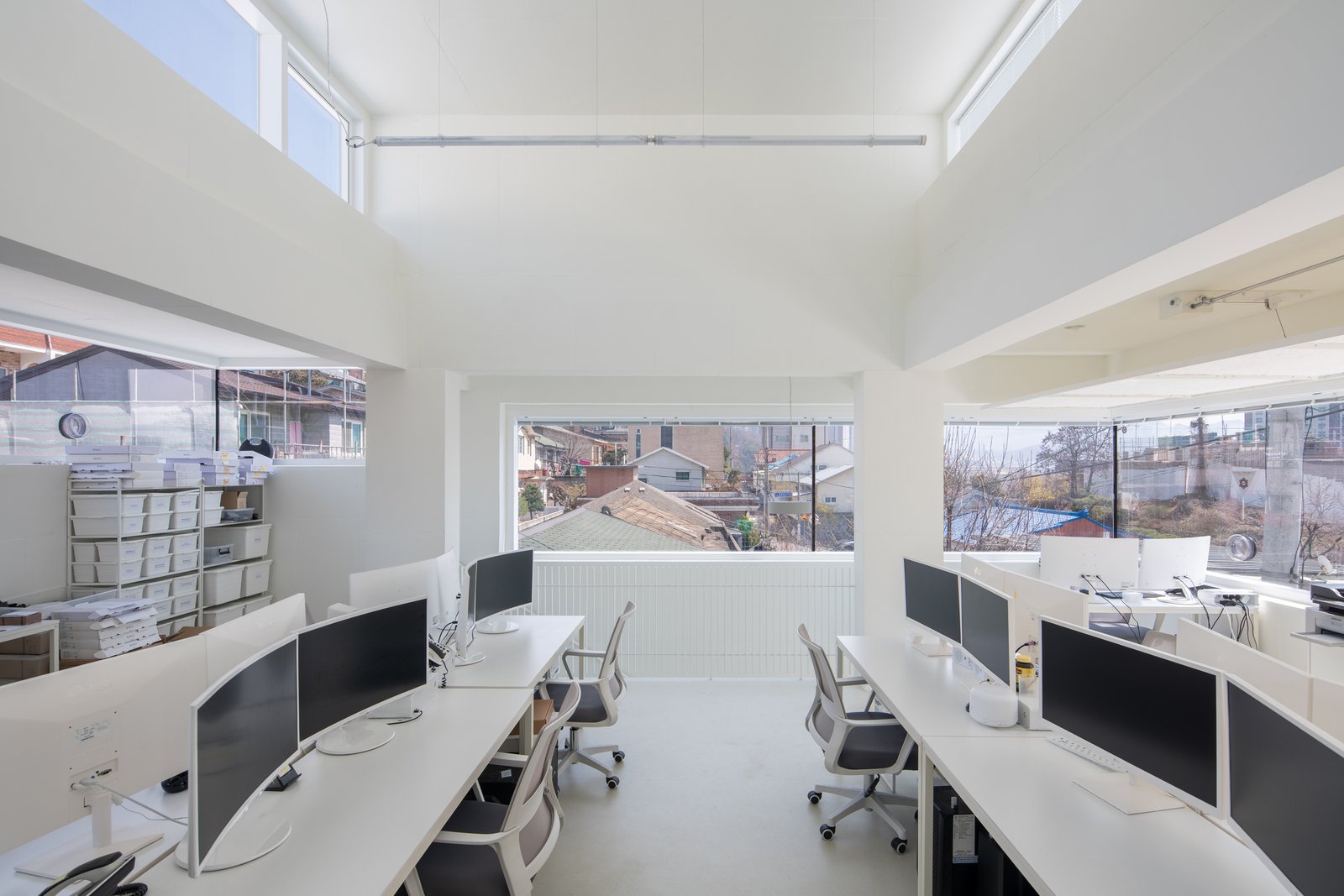
Planning a store, pad or center?
Give us the site, the tenant and the opening date you are working toward. We will review access, drainage and the roof design basis and give you a budget and a schedule you can hold the team to.
Common Questions
How will the Dell Range reconstruction affect my construction schedule?
It affects deliveries, access and utility connections. WYDOT announced the Cheyenne Streets Project with work starting June 15, 2026, and Whitney Road work resuming in March 2027 into fall 2027, so contractors need to plan truck routes and temporary access around those phases. We review the current traffic control plan during preconstruction and set material deliveries and utility tie-ins accordingly.
Do national tenant prototypes need changes for Cheyenne?
Often yes. Wind and snow criteria in Laramie County are set locally, with a 105 mph design wind speed and 32 pound per square foot ground snow load shown in the county's table. Roof framing, storefront and rooftop unit curbs may need to be heavier than the prototype assumes. We compare the prototype's design basis with the local criteria at the start and flag the differences.
How early should I involve the contractor on a pad site?
Before you finalize the site plan. Curb cuts, drive aisles, detention and utility routes are cheaper to change on paper than in the field, and a contractor reviewing the plan can often spot grading or access problems. Pricing the site early also tells you whether the pad is worth the land cost.
Can you keep a center open during renovation?
Yes, with phased work areas, protected pedestrian routes and night or early-morning work for the disruptive tasks. The tenant mix and lease obligations drive the phasing, so we write the plan with the property manager and notify tenants before each phase. Disruption is priced into the work plan from the start.
What roof type works best for Cheyenne retail?
There is no single answer, but low-slope membranes designed for wind uplift and snow drift are standard, with attention to parapet height and edge details. Given the hail history in the area, owners should also consider impact resistance. We compare options on first cost, expected life and insurance consequence.