
Retail and Commercial Construction on Dell Range Boulevard
Retail, tenant improvement and pad-site construction along Dell Range Boulevard and the Frontier Mall corridor in north Cheyenne, built around road work.
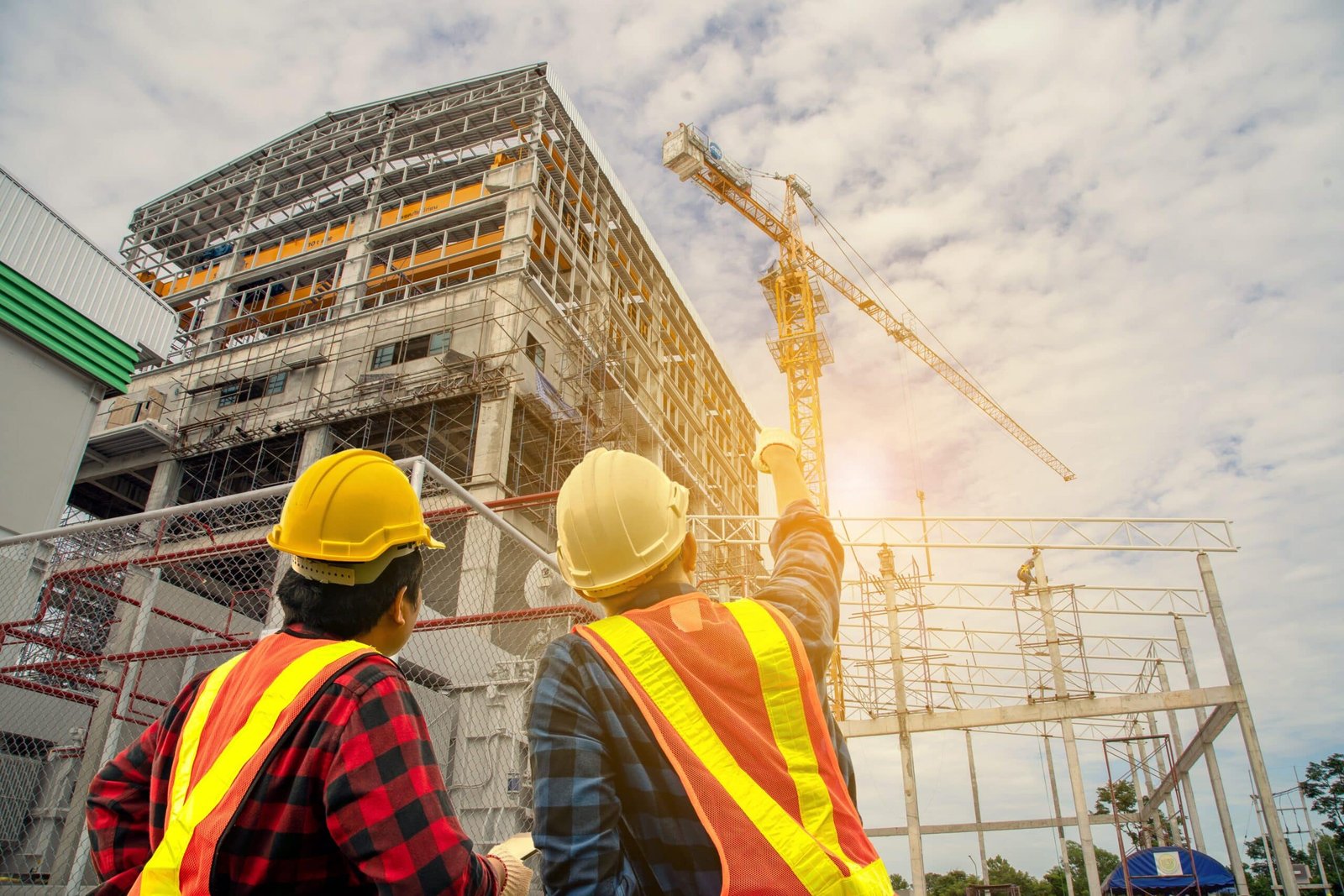
Anyone building retail on Dell Range this year is building beside a road project, and the road project sets the rules for deliveries, access and opening dates. WYDOT announced its Cheyenne Streets Project on June 5, 2026, with the City and Laramie County, to rebuild Dell Range Boulevard on a new alignment east of Whitney Road starting June 15, 2026. It adds a Dell Range and US 30 intersection, signals at US 30 and Whitney Road and a new South Frontage Road, and Whitney Road work resumes in March 2027 and runs into fall 2027.
We build the retail that surrounds that corridor: new pad sites, shell-and-core buildings for national and regional tenants, tenant improvements inside existing centers and exterior renovations that bring an older storefront up to current standards. The common thread is that a retail owner is paying for every day the doors are closed, so the schedule matters more than almost any other cost.
Frontier Mall at 1400 Dell Range Boulevard opened March 18, 1981, as a single-level, 519,471 square foot mall with 67 shops. A property of that age and scale generates constant tenant turnover, and each turnover is a small construction project with a fixed deadline for the next lease. That is the work the construction trade partners are set up to handle.
A retail corridor in the middle of a traffic rebuild
The Storey Boulevard extension from North College Drive to Whitney Road was built to relieve Dell Range, and local reporting put the contract award at a bid not to exceed $3,493,630.85, with Laramie County contributing $1,161,510.60. Traffic on Storey was expected to rise from about 84 to about 3,500 vehicles per day. The council approval date and year were not confirmed on that page, so owners should check the current status with the city.
For retail sites, those numbers describe a shifting access picture. Entrances move, signals appear and the frontage road changes how customers approach a parcel. We ask owners and their civil engineers early which curb cuts are permanent and which are temporary, and we plan the site package so that we are not paving an entrance the road project will eliminate.
Pad sites, shells and tenant spaces
A typical Dell Range pad site starts with a geotechnical report, a grading and drainage plan that meets city review, utility connections and a parking field sized to the tenant. We handle the site work and parking lot construction in the same schedule as the building, which prevents the gap where the pavement crew and the building crew wait on each other. Our retail shopping center construction work covers the shells, canopies and storefront systems that go on top.
Interior work inside an existing center follows a different pattern. We use tenant improvement crews that can demolish, frame, rough in and finish a lease space in weeks, with the landlord's rules for hours, protection and common-area use built into the plan. Mall tenants often need an overnight or early-morning work window, and we staff for it instead of asking for a waiver.
Opening dates and road closures
A retail opening is usually tied to a lease commencement, a seasonal sales period or a franchise requirement. We build the schedule backward from that date, then compare it to the road schedule. If a lane closure on Dell Range or Whitney Road falls during our concrete or steel deliveries, we move the pour or the pick rather than risk a blocked entrance.
Cheyenne's wind and frost add their own constraints. Exterior concrete flatwork, masonry and storefront glazing need workable temperatures, and tilt panels or tall storefront walls are not erected in sustained high wind. We carry weather days in the schedule honestly and use enclosures and heat when an opening date justifies the cost.
What moves a retail budget here
The largest swings come from the site, not the building. Utility extension distance, detention requirements, retaining walls and the number of curb cuts the city will allow can change a pad-site budget by a wide margin. Storefront and canopy specifications from national tenants are the second driver, because prototype drawings from out of state often need adjustment for Cheyenne wind and snow.
Our preconstruction team reads the tenant's criteria against the Laramie County design values (a 32 lb/ft2 ground snow load, 105 mph wind and a 36 inch frost line in its published table) and flags the differences before a number goes to the owner. That keeps surprises out of the field and change orders off the owner's desk.
Owners and operators we build for
The buyers on this corridor are retail chains expanding or relocating, commercial real estate developers who hold the centers and pad sites, and local operators opening their first or second location. Each has a different appetite for risk and a different decision cycle, and we adjust the proposal accordingly.
Customers reach the corridor from across the north county, including communities like Ranchettes off I-25, and owners should plan parking and access for that regional draw. A regional chain wants a repeatable schedule and a single point of contact. A developer wants a guaranteed maximum price or a clean lump sum, and a clear path to the certificate of occupancy for each tenant. A local operator wants honest advice on what to spend and what to save. We keep our retail shopping center pricing transparent, and we help owners compare a downtown storefront at the Depot District with a north-side pad site before they sign a lease.
Starting a project on Dell Range or near Frontier Mall?
Send the address, the tenant criteria and the opening date you need to hit. We will review the current road schedule, price the work and return a plan that keeps your entrance open when it matters.
Common Questions
How does the Cheyenne Streets Project affect a new retail project?
It changes access, signal timing and the shape of nearby intersections for the duration of the work. Because the project rebuilds Dell Range on a new alignment east of Whitney Road and adds a frontage road, we confirm with the city which entrances will be permanent before finalizing the site plan. We also schedule heavy deliveries around announced closures.
How fast can you finish a tenant space inside an existing center?
A typical lease space can move from demolition to turnover in a matter of weeks when drawings are complete and the long-lead items, such as storefront, millwork and rooftop equipment, are on order. The landlord's rules for hours and protection can add time, so we obtain them during bidding.
Do you work with national prototype drawings?
Yes. We review the prototype against Laramie County design values and the local jurisdiction's amendments, then submit a list of adjustments for the owner and design team. Wind and snow loads, frost depth and energy requirements are the usual points of change.
What does a pad site cost compared with a tenant improvement?
The two are not comparable in a single number. A pad site depends on utilities, grading, paving and building type, while a tenant improvement depends on the condition of the shell and the finish level. We provide a conceptual estimate from drawings or a program, and refine it as design progresses.
Can you build while a mall or center stays open?
Yes. We separate the work area with protected barriers, schedule noisy tasks for off-hours and keep corridors, fire exits and sprinkler coverage intact. Shoppers should see a neat construction wall and little else.