Food and Beverage Processing Plants in Cheyenne, Wyoming
Food and beverage processing plant construction in Cheyenne: water and wastewater capacity, sanitary floors, hygiene design, and utility-ready park sites.
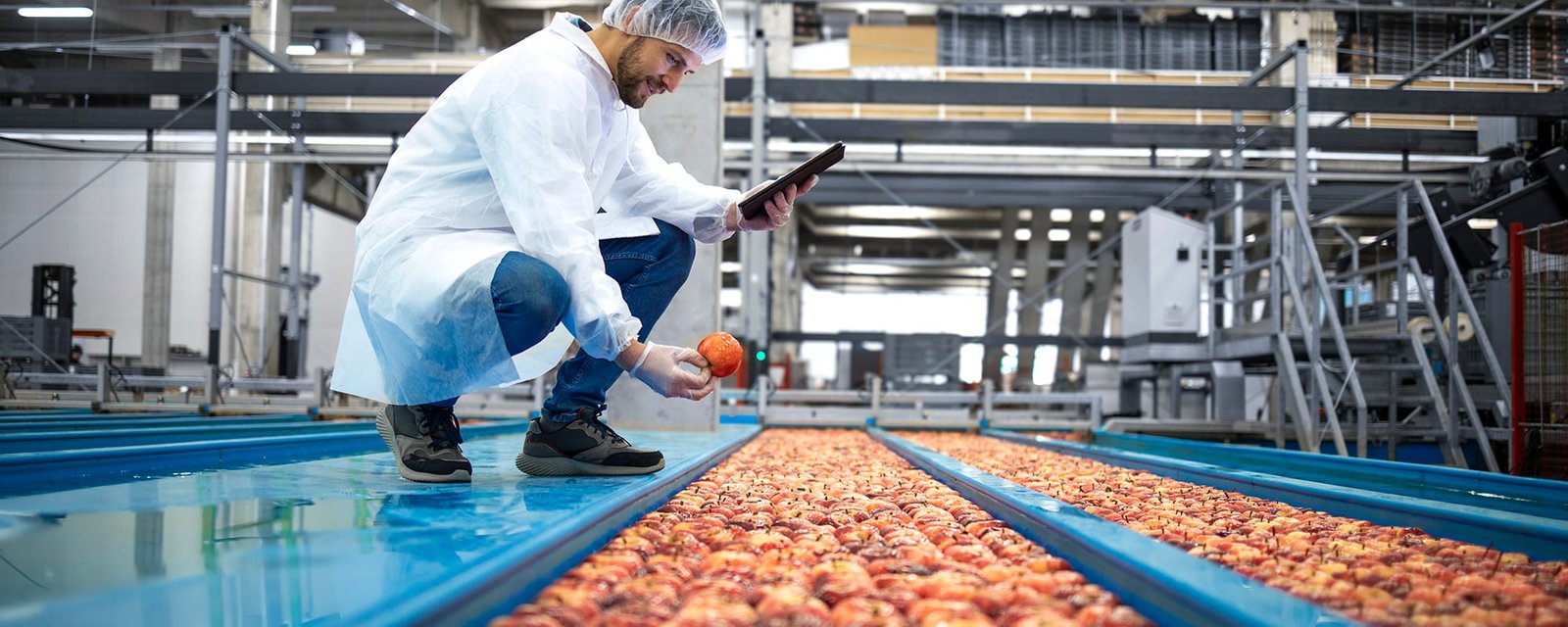
Process water is the first thing a food plant asks for, and in Cheyenne it is also the first thing a city council asks about. When a nitrogen fertilizer plant was floated for the Swan Ranch area in October 2026, council members raised water supply as a key question, including whether the plant would use the city system or its own well drawing on the county aquifer. A food or beverage processor faces the same question at a smaller scale: how much water the process needs, where it comes from, what leaves as wastewater, and who has to approve it. We build food and beverage processing plants with those answers in hand before the foundation is poured.
Processing buildings are defined by sanitation. Floors slope to drains, walls are washable, ceilings do not shed, air moves from clean areas to less clean ones, and people and product follow separate paths. Those requirements affect every trade, so the building is designed around the hygiene plan from the first drawing. We work with the owner's food safety consultants and equipment suppliers so that the construction documents reflect real production, not an idealized floor plan.
Utilities, wastewater and the approvals that come with them
Utilities are the starting point in site selection. Cheyenne LEADS reports fiber, water, gas, electricity and sewer service in place at the Cheyenne Logistics Hub, and natural gas, electricity and fiber at Cheyenne Business Parkway. Process plants need more than availability. They need capacity: gallons per day, peak flow, discharge strength and boiler fuel demand. We ask the utility for written statements on each, because a pretreatment requirement for strong wastewater can add a costly system to the project.
Building approvals follow the usual path. Laramie County adopted the 2024 International Building Code with amendments effective January 1, 2025, and the 2024 International Fire Code effective April 15, 2025. State and federal food safety programs add their own inspections and plan reviews, and the owner's customers may add audits. We build a list of every agency that has to sign off, and we sequence submittals so that none of them blocks the others.
Cleanability is a construction problem
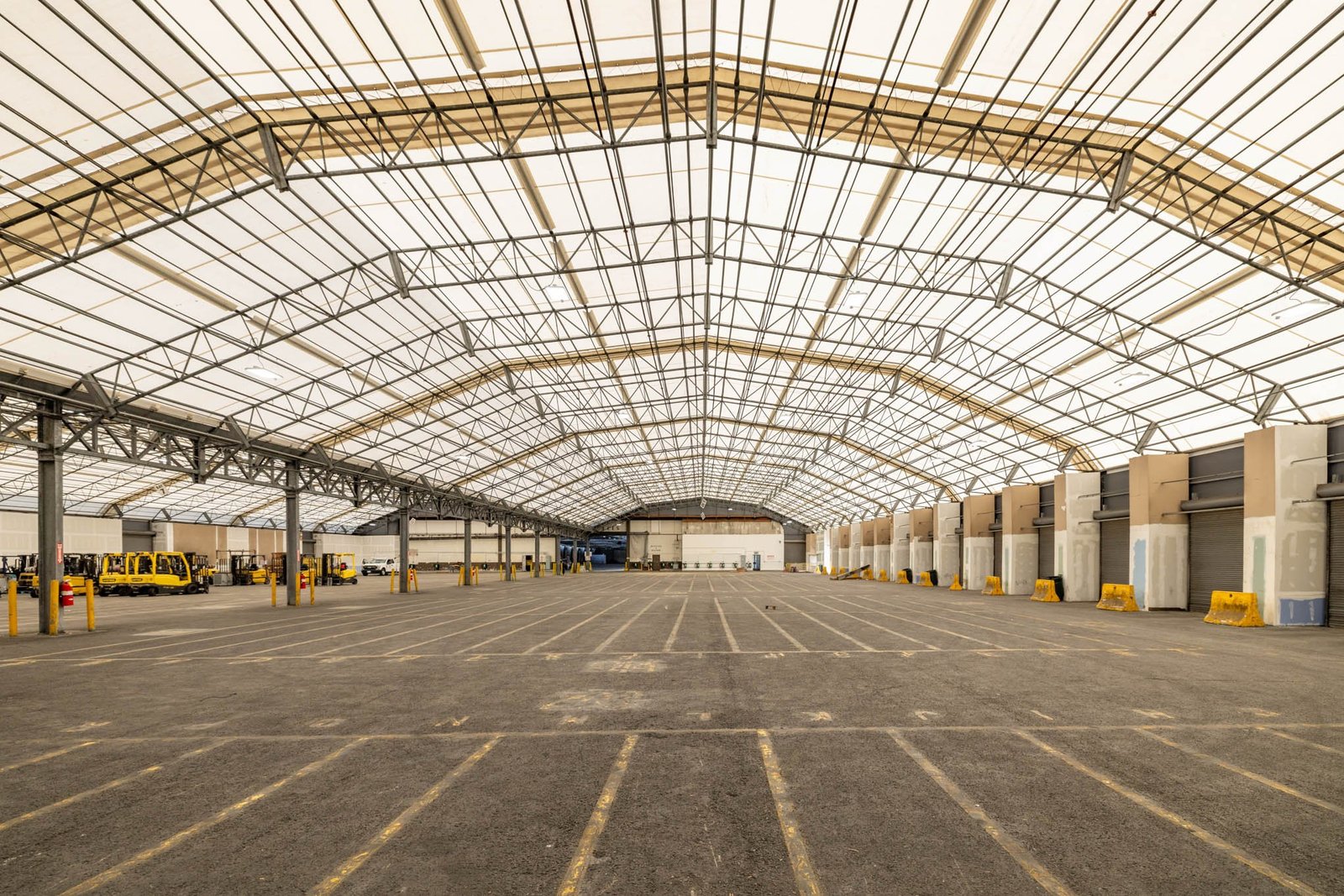
Sanitary design shows up in the details. Floors need continuous waterproof finishes with integral cove bases, drains placed so no puddles form, and slopes that carry water to drains without making forklifts uneasy. Wall panels need smooth, crevice-free surfaces and sealed penetrations. Door frames, hose stations and equipment bases are detailed so they can be washed without trapping water. Our commercial concrete floors work includes slope control and drain integration for wet process areas.
Climate also plays a part. Cheyenne sits at 6,086 feet, and a dry, windy climate can pull moisture out of fresh concrete before it cures. We protect slabs, plan curing and maintain a controlled temperature for the finishes that follow. Roof loads, rooftop refrigeration and exhaust equipment are laid out for the county's 32 lb/ft2 ground snow load and 105 mph wind speed, so that process equipment on the roof does not become a leak or a snow-drift hazard.
The building, the utilities and the process support
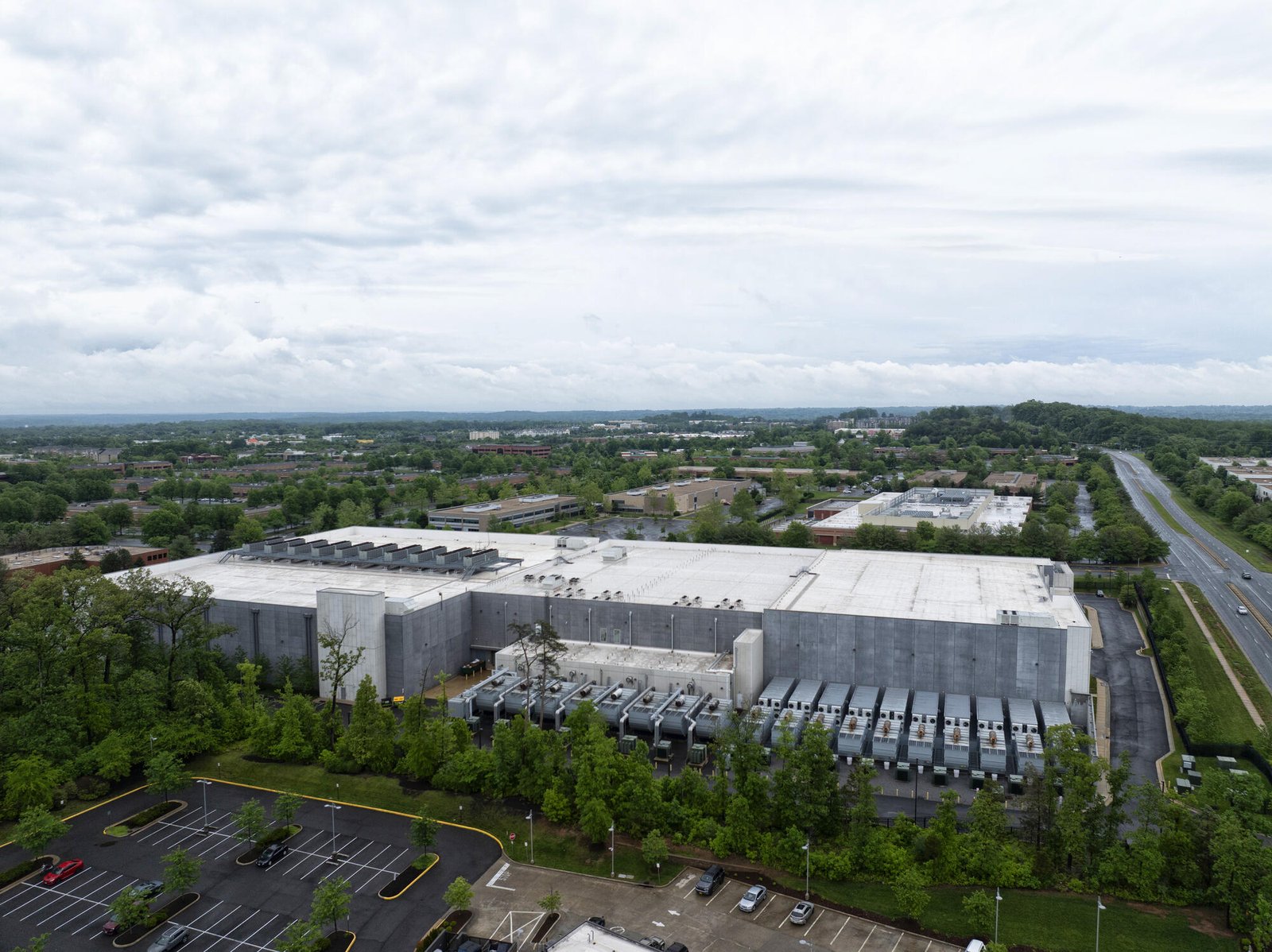
A processing plant has three layers. The shell is the structure, envelope and slab. The process support layer includes water treatment, boilers, compressed air, refrigeration, wastewater pretreatment and electrical distribution. The process equipment layer, usually owner-furnished, includes cookers, mixers, fillers, packaging lines and conveyors. We coordinate all three so equipment arrives to a room that has the right drain, power and floor, and so that the pit, trench or pad for each machine was ready before the machine.
Cold areas often form part of the plant. Where chilled or frozen storage is required, the design draws on the same principles as a cold storage facility, including frost protection under the slab. The overall facility is a specialized manufacturing plant, and many of the structural and utility questions are the same, though sanitary requirements add a layer of detail.
Food safety on the construction site
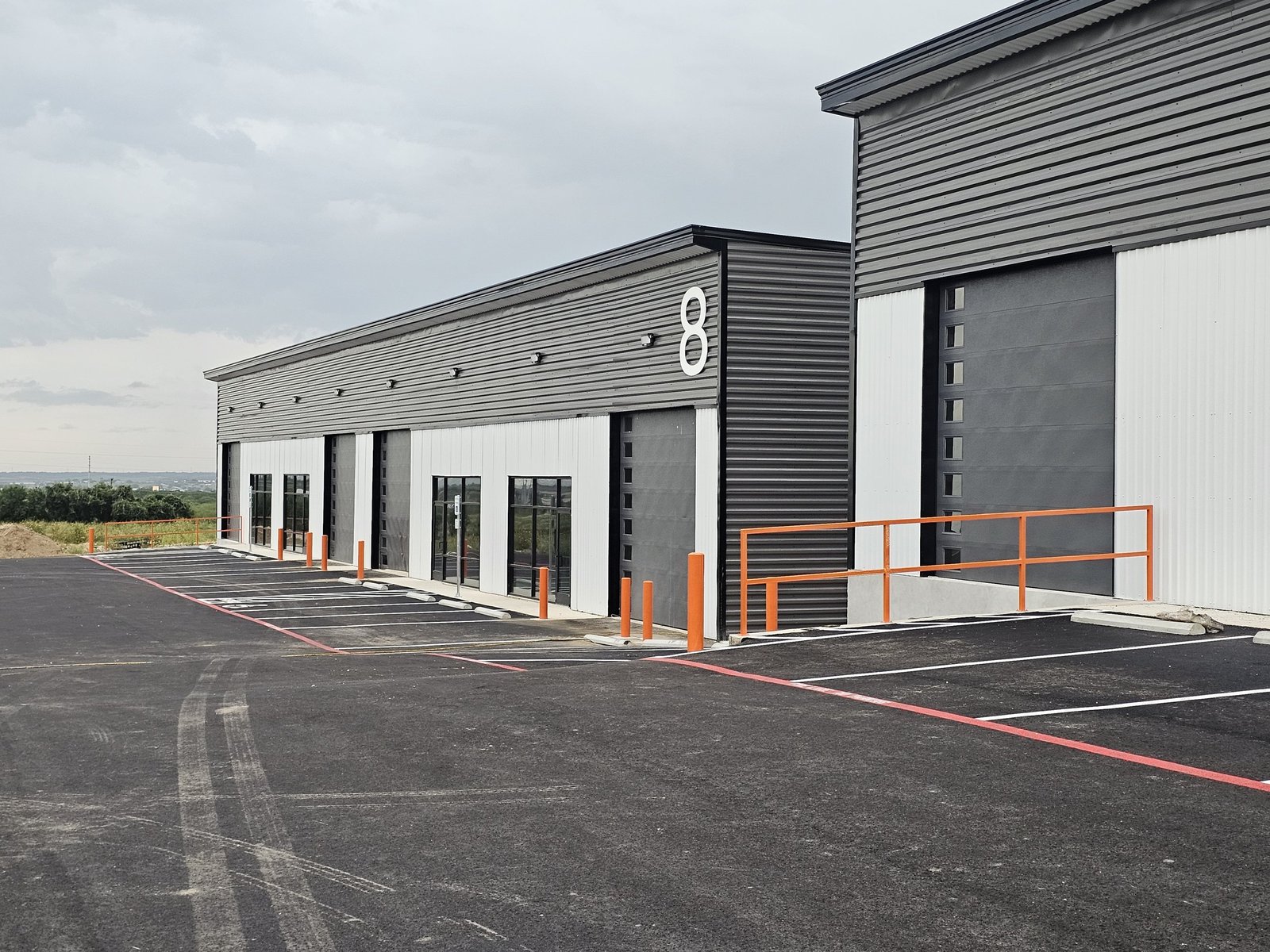
A food plant is not just a building but a controlled environment, and construction can threaten it. Dust, moisture, pests and debris from a site can contaminate an existing operation, so we use sealed barriers, negative pressure where needed, dedicated entrances and strict cleaning procedures during renovations and additions. Workers are briefed on the plant's own hygiene rules before entering.
Hazards of the process also matter. Ammonia refrigeration, hot work near flammable materials, confined spaces such as tanks and vessels, and wet electrical work all demand written plans. We coordinate with the owner's safety staff, lock out and tag equipment during tie-ins, and verify that fire and life safety systems stay in service during construction or have approved impairment plans.
Equipment lead times and validation
The schedule is set by the equipment. Process lines, refrigeration plants and packaging systems can have long lead times, and the building must be ready to receive them in sequence. We build a schedule that works backward from the date the first line must run, with milestones for dry-in, slab, utilities, wall finishes and equipment set. Our commissioning and closeout process includes start-up testing, cleaning and the documentation that auditors expect.
Food plants also need validation. Systems such as sanitation, air handling, temperature control and wastewater treatment must be tested and recorded before production begins. We schedule that work into the end of the project instead of treating it as an afterthought, since a plant that cannot pass its first audit cannot ship product.
Choosing a site before choosing a building
For a processor, the site matters more than for most owners. The Cheyenne Logistics Hub offers rail, transloading and a large acreage for expansion, while Cheyenne Business Parkway has smaller parcels and utilities in place. Water scrutiny is not abstract here: at the High Plains Business Park, Meta agreed to use no more water than a standard business with 100 employees, which shows how closely local officials watch large users.
Our site development and utilities scope covers water, sewer, gas and power extensions so that a plant on raw land has everything it needs. We also review truck access and queuing, since raw ingredients and finished product move on schedules that cannot wait in a yard, and we test the plan for future expansion of the line and of the wastewater system. Manufacturers in every field ask for that last item, because they know how fast a successful product outgrows its first building.
Start a processing plant project
Tell us your product, daily volume and utility needs. We will review sites, check water and wastewater capacity and outline a building and schedule around your production line.
Common Questions
Will the city or county let me use well water for a food plant?
It depends on the site, the volume and the quality required. In October 2026, Cheyenne council members raised exactly this question for a proposed plant, asking whether it would use the city system or its own well tapping the county aquifer. We help owners present water demand, treatment and wastewater plans to the utility and local officials at the start.
What floor finish works for wet processing areas?
Most wet areas use a seamless, chemical-resistant resin system over a properly sloped and cured concrete slab, with integral coved bases and drains. The right system depends on temperature, chemicals and traffic. We specify and install the slab, then coordinate the finish with the owner's sanitation requirements.
Can an existing building be converted to food processing?
Sometimes. The slab often needs to be replaced or recut for drains, the walls and ceiling need washable finishes, and utilities, ventilation and wastewater systems usually need upgrades. We survey the building and give you a cost comparison between converting and building new.
How do you keep construction from contaminating an operating plant?
We separate the work area with sealed barriers, control pedestrian and vehicle paths, maintain negative pressure when necessary and clean at the end of each shift. Workers follow the plant's gowning and hygiene rules. Tie-ins to live systems are scheduled during planned downtime.
How long does it take to build a processing plant?
That depends on size and process, but equipment lead times and approvals often control the date more than construction does. We map long-lead items and permits at the start, and we use that map to set realistic milestones. Owners should expect time at the end for commissioning, cleaning and audit preparation.